
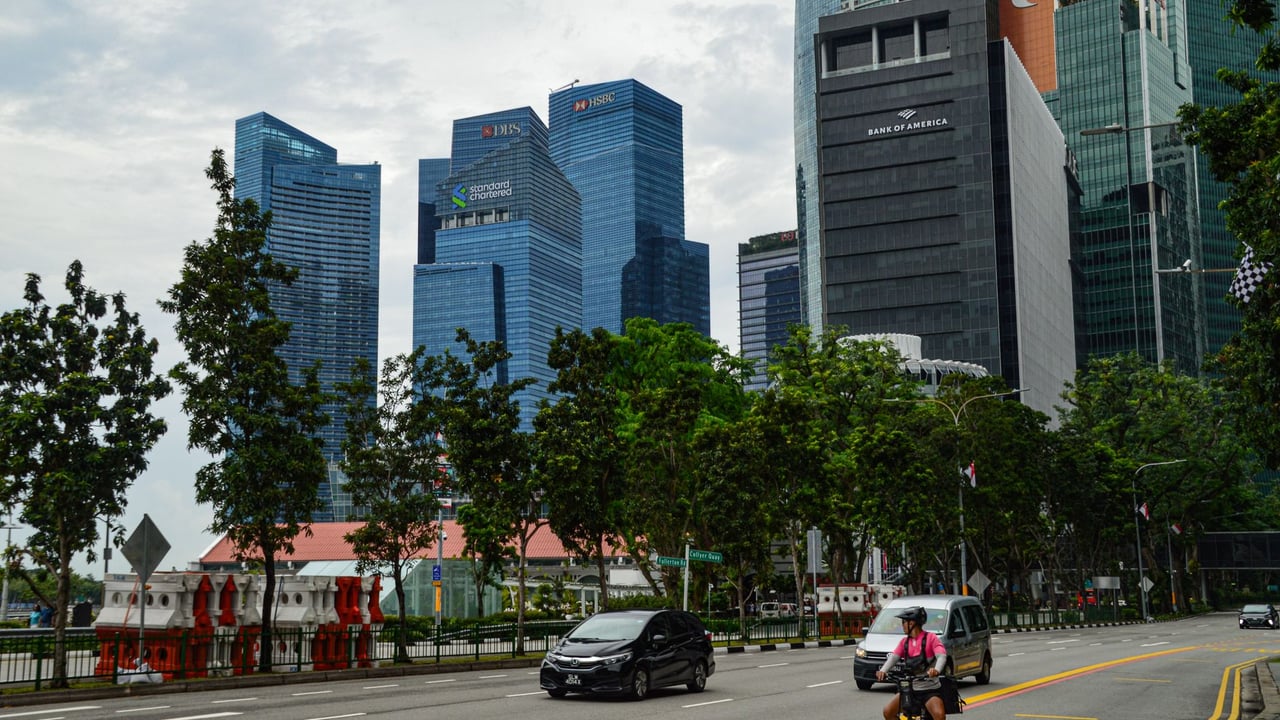

The global banking sector is currently navigating a tectonic shift as artificial intelligence moves from the experimental periphery to the operational core. A recent announcement by Standard Chartered to reduce its corporate functions by 15%—roughly 8,000 jobs—by 2030 has served as a wake-up call for the industry. While the bank’s CEO, Bill Winters, attempted to soften the blow by emphasizing retraining, the underlying message is clear: the traditional banking workforce is being structurally optimized for a silicon-first era.
This workforce reduction is not a simple cost-cutting measure but a strategic pivot driven by sophisticated generative AI tools. Standard Chartered’s 'myWealth Advisor' and its internal 'SC GPT' are already performing tasks that once required thousands of hours of human labor, from personalized investment advice to complex document synthesis. The automation of risk, compliance, and middle-office operations in major hubs like India and Poland suggests that the geographic advantages of labor arbitrage are being neutralized by the efficiency of algorithms.
While Standard Chartered represents an aggressive approach, other global giants are adopting varied strategies to manage this transition. JPMorgan Chase has opted for a 'soft landing' through retraining and natural attrition, while Japan’s Mizuho Financial Group expects to eliminate 5,000 transactional roles over the next decade. These moves reflect a broader industry consensus: 76% of financial institutions now view AI as the primary engine of their strategic transformation, according to recent data from PwC.
In China, the narrative is not one of mass layoffs, but of an explosive, targeted recruitment drive for high-level technical talent. The 'Big Six' state-owned banks increased their technology staff by 35% in a single year, reaching nearly 136,000 specialists by the end of 2025. ICBC’s dedicated 'AI+' recruitment track signals a shift toward a 'hybrid' workforce, where elite engineers and data scientists are now as critical to a bank’s success as traditional credit officers.
However, this rapid transition is fraught with systemic risks that regulators are only beginning to grasp. Experts like Dong Ximiao warn of 'triple challenges' involving technical hallucinations, data silos, and a massive talent mismatch between academic supply and industrial demand. As banks transform into technology companies with banking licenses, the focus must shift from merely deploying tools to fundamentally reconstructing the value chain and ensuring that AI remains a 'safety engine' rather than a 'black box' of risk.