

As China grapples with an accelerating demographic shift, the leaders of its tech industry are looking beyond the factory floor to the living room. He Xiaopeng, the chairman and CEO of Xpeng Motors, recently articulated a future where robotics becomes the primary, and perhaps sole, support system for an aging population. Speaking on the interview program 'Unfinished Covenant,' the electric vehicle mogul argued that the convergence of digital health and embodied intelligence will redefine the twilight years for millions of citizens.
He’s vision is bifurcated into two distinct technological pillars: 'Human AI' and 'Physical AI.' The former refers to the digitization of human health, utilizing artificial intelligence to monitor biometrics, prevent disease, and assist in physical rehabilitation. By creating a proactive health ecosystem, He suggests that AI can effectively extend both the lifespan and the 'happiness span' of the elderly, transforming healthcare from a reactive service into a constant digital companion.
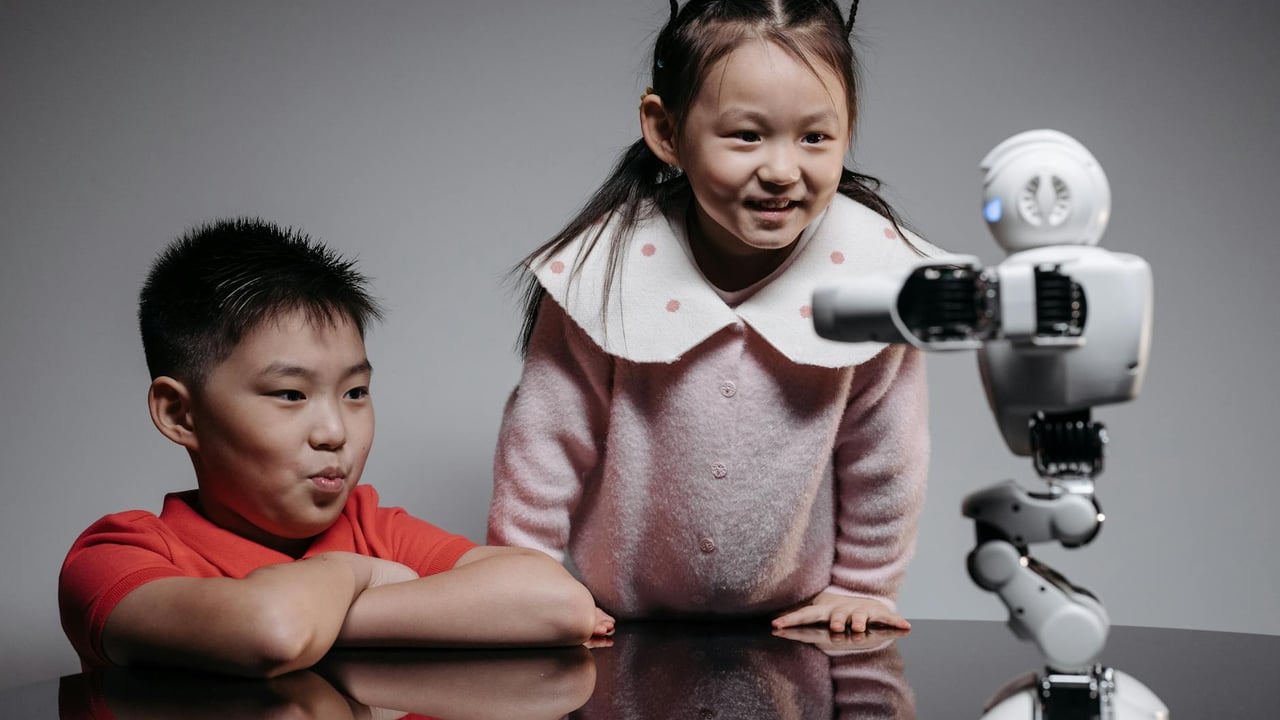
However, it is 'Physical AI'—often referred to in industry circles as embodied intelligence—that represents the more radical shift. This concept involves AI that can interact directly with the physical world through robotic entities. He Xiaopeng posits that as family structures continue to thin under the weight of China’s '4-2-1' demographic pressure, these physical robots will likely transition from being novel gadgets to becoming the 'only reliance' for the elderly, handling everything from mobility assistance to daily chores.
This strategic pivot by Xpeng’s leadership highlights a broader trend among Chinese EV manufacturers. Having spent the last decade perfecting autonomous driving algorithms and sensor integration, companies like Xpeng are finding that the leap from a self-driving car to a humanoid robot is shorter than once thought. By applying automotive-grade AI to the challenge of elderly care, these firms are positioning themselves to capitalize on China's burgeoning 'silver economy,' where the demand for care services vastly outstrips the supply of human labor.