
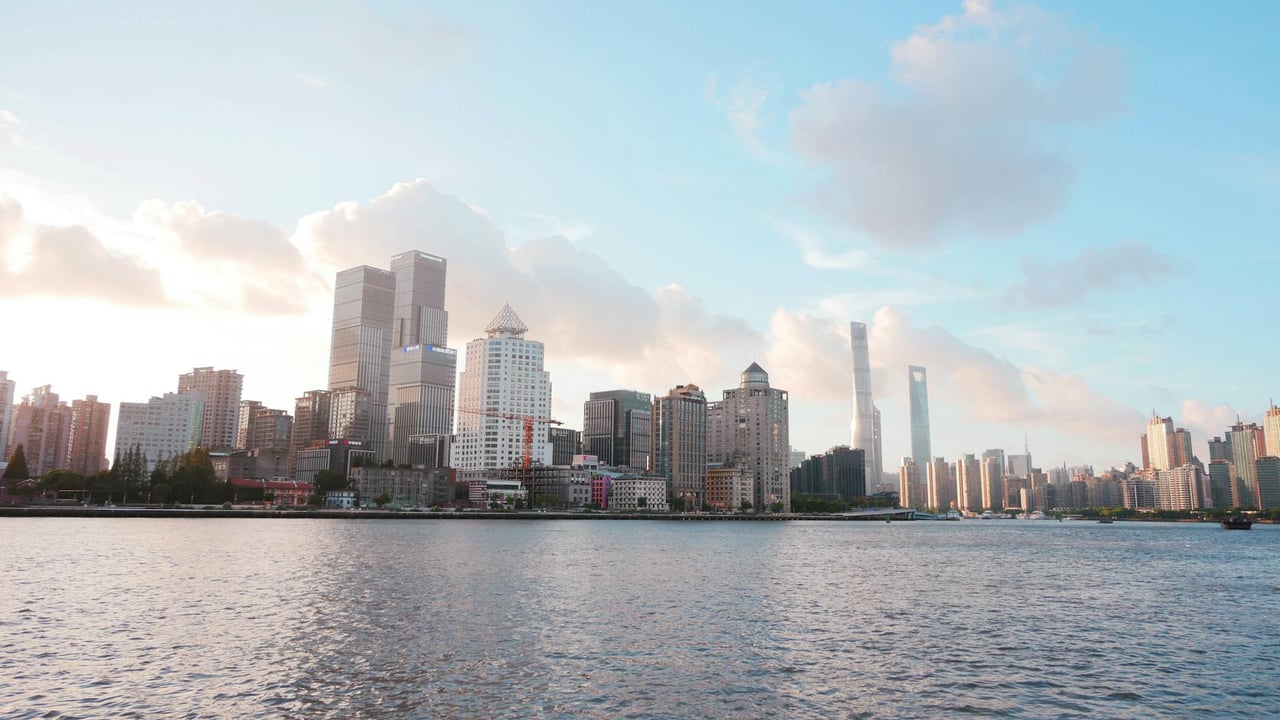

On the evening of May 30, 2026, the banks of the Huangpu River played host to a defining moment for China’s digital economy: the 2026 Internet Quality Content Creation Gala (TCG). Hundreds of digital creators and industry titans gathered in Shanghai to decode what organizers call the "Excellent Creation Code," a strategic effort to synchronize grassroots internet creativity with the city’s burgeoning identity as a global media hub. This event signals a maturation of the creator economy, moving beyond mere viral entertainment toward a structured mechanism for international soft power.
While the gala celebrated individual achievement, its underlying mission was the sophisticated propagation of the "China Story." In a landscape increasingly defined by digital fragmentation, Beijing and municipal leaders in Shanghai are looking to independent creators to serve as the new vanguard of cultural diplomacy. By leveraging platforms like NetEase, Bilibili, and Xiaohongshu, the state aims to humanize its national image through diverse, high-quality content that resonates with both domestic and global audiences.
The diversity of talent present—ranging from traditional armor restoration experts like Liu Jie to AI-generated short-film pioneers—highlights a significant shift in the Chinese internet ecosystem. Content is no longer viewed simply as data to be consumed, but as a strategic asset. Shanghai, long China’s financial heart, is aggressively pivoting to become a "Highland of Creation," offering a regulatory and economic environment designed to attract high-value digital labor that can bridge the gap between traditional culture and modern digital aesthetics.
This trend is bolstered by the recently announced "Internet Information Content Multi-Channel Distribution Management Regulations," which seek to professionalize the distribution of digital media. As the 2026 Gala demonstrates, the future of the Chinese internet lies in this synergy between individual creative freedom and institutional narrative goals. For global observers, the event underscores Shanghai's ambition to not just host the conversation, but to define the medium through which China is viewed by the world.