
Technology & AI News
Latest technology & ai news and updates
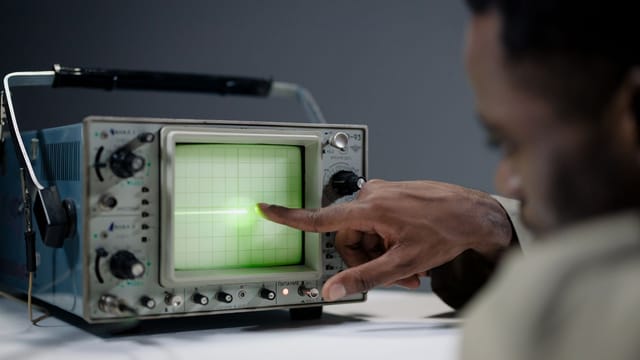
Shanghai Mobilizes Expert Networks to Advance Brain-Computer Interfaces
A citywide initiative in Shanghai brings non-party scientists and clinicians together to spur neural tech while prioritizing bioethics.

Nvidia-MediaTek Deal Highlights Cloud Sector Shift to Custom AI Silicon
Hyperscalers and chipmakers shift from software-level orchestration to proprietary silicon architectures to reduce costs and bypass hardware bottlenecks.
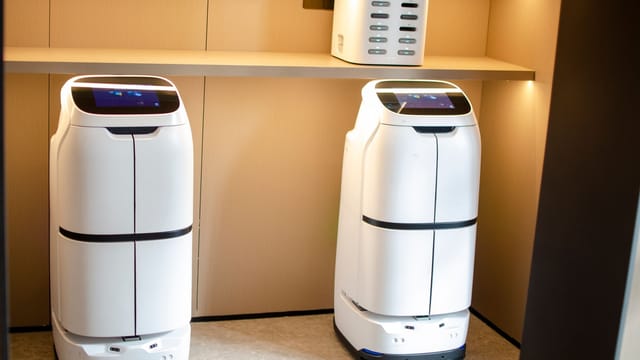
China-ASEAN Expo Deploys AI Matchmaking to Connect Over 10,000 Trade Pairs
The upcoming Nanning expo introduces an AI Supermarket and algorithmic trade pairing as all 11 regional nations convene.
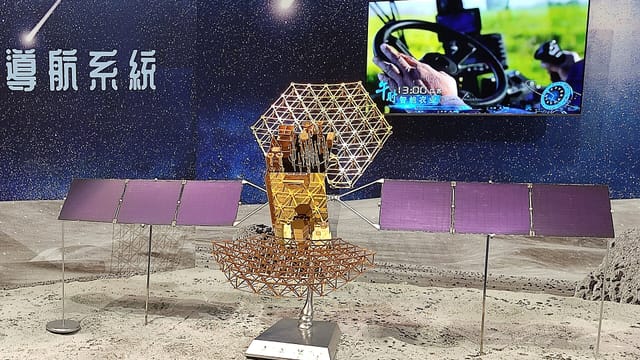
Guizhou Deploys Beidou Satellite Links to Monitor Mountain Hydropower
Dual-channel terminals combining 4G and Beidou messaging bring automated dam monitoring to remote karst river valleys.
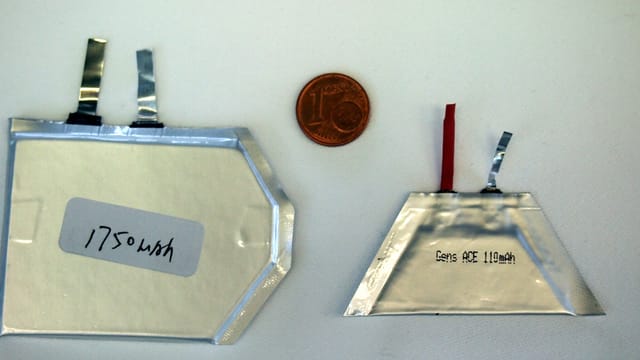
China Shifts Computing Power Strategy From Scale to Regional Coordination
A national assessment reveals over 2,185 EFLOPS of intelligent compute alongside persistent hurdles in cross-regional workload scheduling.

China Releases 2025 Directory of Over 6,000 Global Science Journals
The catalog, unveiled at the Pujiang Innovation Forum, covers 55 countries and 23 languages, including 353 Chinese publications.
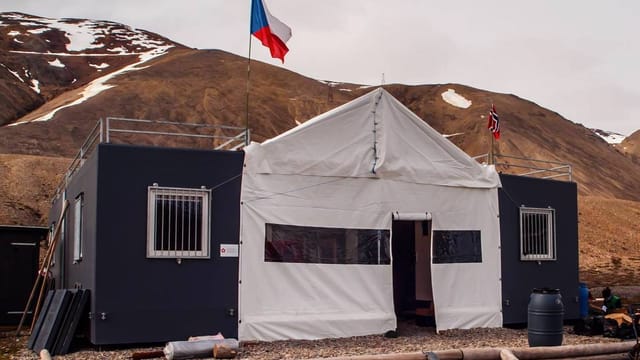
China's Xuelong 2 Guides French Tara Polar Station into Arctic Sea Ice
The Chinese icebreaker carved a 110-nautical-mile path in the central Arctic Ocean, anchoring a joint climate observation project.
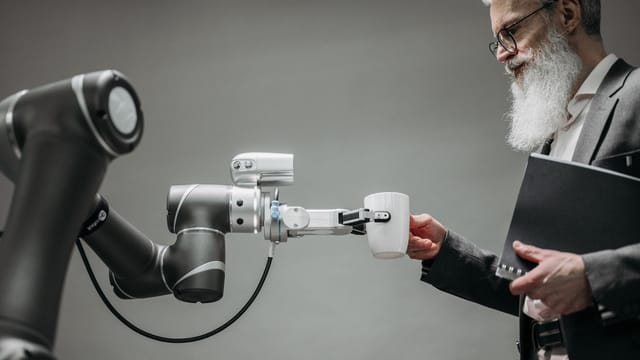
China Moves to Build Continuous Trust Frameworks for Autonomous AI Agents
As AI assistants gain spending power, Chinese institutions push continuous verification and identity standards to govern autonomous commercial actions.

China Completes First S-122 Marine Protected Area Navigation Dataset
The digital hydrographic dataset translates paper-based ecological boundaries into automated shipboard navigational alerts.
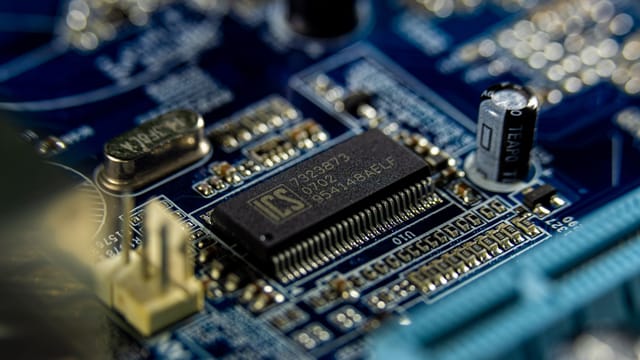
China's Industrial Software Maker Expands in Chip Design and Fab CIM
Qi Yun Fang says its domestic EDA tools and manufacturing systems are operating across major electronics firms and 12-inch wafer lines.
China Accelerates Integrated Computing Grid to Balance Regional AI Demand
State planners and tech institutes expand monitoring and scheduling systems to link eastern industrial hubs with western data centers.

China's 16th Arctic Expedition Concludes with New Geological and Ecological Data
Icebreakers Xue Long and Xue Long 2 returned to Shanghai with field observations on Gakkel Ridge and deep-sea hydrothermal activity.