
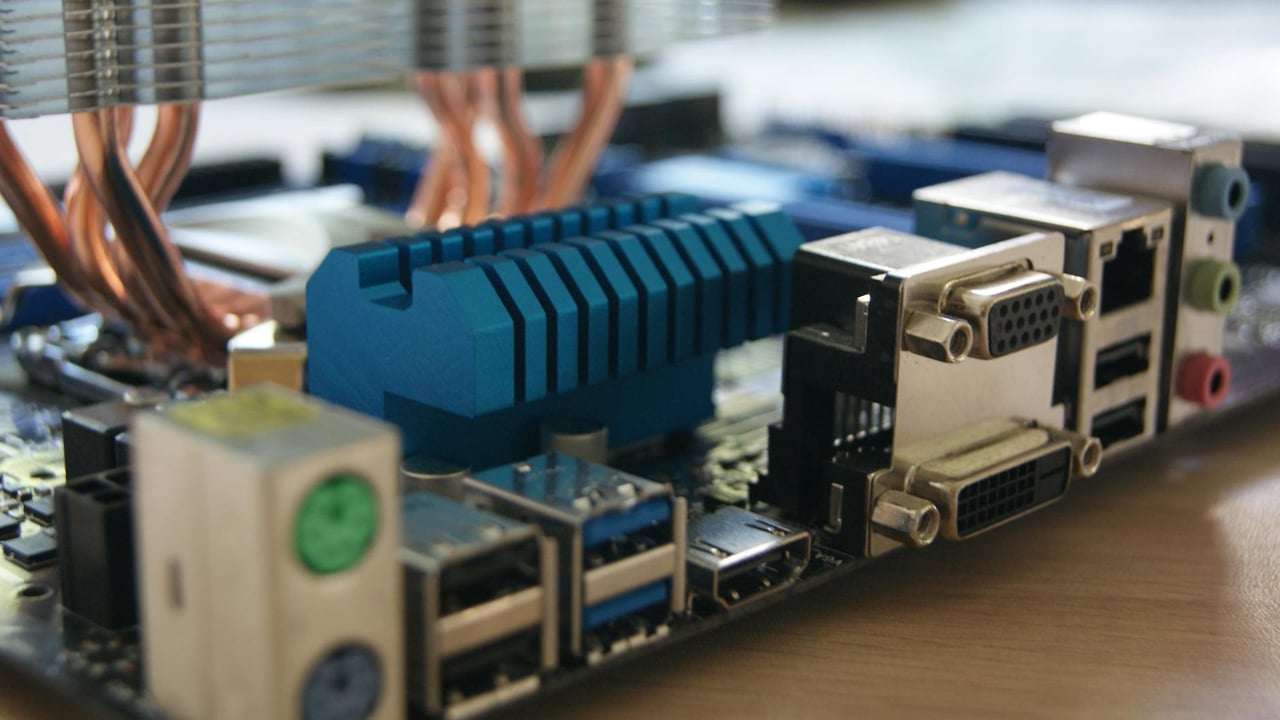

The global race for artificial intelligence has long focused on the scarcity of high-end GPUs and the energy required to power them. However, a quieter but equally significant bottleneck is emerging in the physical foundations of the digital economy. A new class of materials, dubbed ‘computing metals,’ is undergoing a radical structural revaluation as the infrastructure for AI moves from theoretical models to massive physical deployment.
Industrial staples like copper and tin, alongside rare minor metals such as indium, germanium, and gallium, have seen dramatic price volatility in mid-2026. While recent market corrections saw tin prices retreat from three-month highs, the underlying demand remains relentless. An AI server requires three to four times the copper of a standard PC, and the rise of advanced packaging techniques like High Bandwidth Memory (HBM) and Chiplet technology has turned tin into a critical component for high-purity solder.
This demand surge is colliding with what analysts call ‘hard supply constraints.’ Copper mining involves a lead time of seven to ten years from discovery to production, a timeline that cannot be bypassed by a sudden infusion of capital. Meanwhile, minor metals like germanium and gallium are typically byproducts of zinc or coal mining. Their supply is almost entirely inelastic, meaning production cannot be ramped up independently regardless of how high the price climbs.
Geopolitical friction is further complicating the supply chain. Resource nationalism is on the rise in key producing nations like Indonesia and the Democratic Republic of the Congo, where governments are increasingly restricting raw ore exports to force domestic processing. This shift transforms these metals from simple industrial commodities into strategic digital assets, essential for the high-speed optical modules and power semiconductors that form the backbone of the AI era.
As the industry looks toward the second half of 2026, the market is expected to shift from speculative hype to a period of sustained volatility characterized by a rising price floor. The cooling of immediate price spikes offers a breather, but the structural deficit in global mining capacity suggests that the era of cheap ‘computing metals’ is likely over. For the tech industry, the challenge is no longer just writing the best code, but securing the physical atoms required to run it.