The Silicon Squeeze: Soaring Memory Costs Test China’s EV Dominance

A 180% surge in automotive-grade memory chip prices has forced over ten Chinese NEV makers to raise prices or cut incentives, while the traditional fuel car market continues deep discounting to survive.

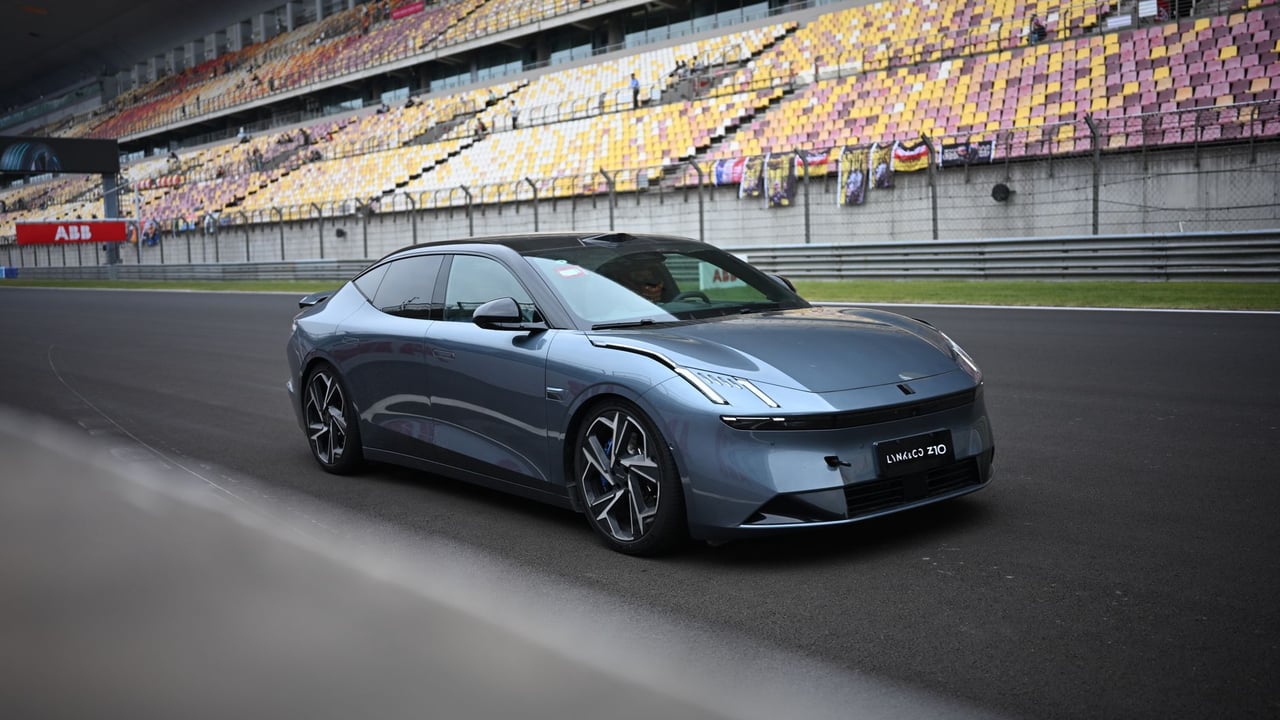
Stylish modern car parked on an empty Shanghai racetrack during the day.

Key Takeaways

  • 1Automotive-grade memory chip prices have spiked 180% within the last three months.
  • 2Over ten Chinese NEV manufacturers have responded by raising vehicle prices or reducing buyer incentives by 2,000 to 6,000 RMB.
  • 3Optional high-tech features like ADAS packages are seeing direct price hikes due to hardware costs.
  • 4Internal combustion engine (ICE) vehicles are maintaining deep discounts of around 23% to clear inventory amidst the NEV surge.

Editor's
Desk

Strategic Analysis

The current volatility in memory chip pricing highlights a critical transition in the automotive value chain: the car is no longer a mechanical asset but a high-performance computing platform. As Chinese NEV manufacturers pivot toward sophisticated software-defined vehicles, they are trading the traditional risks of commodity steel for the high-beta volatility of the global semiconductor market. This 180% surge suggests that the next phase of the Chinese auto war will not be won on the assembly line, but through supply chain resilience. Furthermore, the divergence between NEV and ICE pricing indicates that the market is bifurcating into a high-margin tech segment and a commoditized, discount-driven legacy segment, with the latter increasingly desperate to maintain its foothold.

China Daily Brief Editorial
Strategic Insight
China Daily Brief

The breakneck pace of China's automotive electrification is hitting a significant speed bump: the rising cost of intelligence. Over the past three months, the price of automotive-grade memory chips has surged by an eye-watering 180%. This sudden hardware inflation is forcing manufacturers to recalibrate their pricing strategies in an already cutthroat market.

The impact is most visible in the smart components that define modern electric vehicles. In Beijing, some dealerships have reported that while base vehicle prices remain steady, the cost of optional Advanced Driver Assistance System (ADAS) packages has jumped by over 20%. These increases are a direct reflection of the global volatility in semiconductor manufacturing and the increasing silicon-intensity of the Chinese vehicle fleet.

More than ten major New Energy Vehicle (NEV) players have already adjusted their price lists or tightened consumer subsidies. Price hikes generally range between 2,000 and 6,000 RMB per unit. This shift marks a notable departure from the aggressive price cuts that characterized the sector throughout much of the previous year, suggesting that margin pressures are finally outweighing market-share ambitions.

Meanwhile, the traditional internal combustion engine (ICE) sector is moving in the opposite direction. Trapped in a fight for relevance, legacy automakers have maintained steep discounts—averaging roughly 23%—for nine consecutive months. This growing price gap creates a complex dilemma for consumers: pay a premium for a high-tech electric future or take a bargain on a fading past.

Share Article

Related Articles

📰
No related articles found