

Jensen Huang’s unconventional appearance in a neon-lit Seoul 'PC bang' was more than a nod to South Korea's vibrant gaming culture. By meeting the leaders of Krafton and NCSOFT in the trenches of the industry, the NVIDIA CEO signaled a pivot where high-fidelity virtual environments are no longer just for play, but are the primary training grounds for embodied intelligence. This strategic alignment suggests that the physics engines and data-rich simulations of modern gaming are becoming the essential blueprints for the next generation of humanoid robotics.
The technical focus of the visit centered on 'embodied AI,' the frontier of artificial intelligence that interacts directly with the physical world. For robots to navigate reality safely, they require the massive datasets and high-仿真 simulation environments that gaming giants like Krafton—the makers of PUBG—provide. Krafton’s recent aggressive expansion into robotics through its U.S.-based startup, Ludo Robotics, illustrates how gaming companies are evolving into critical partners in NVIDIA’s long-term roadmap for physical autonomous systems.
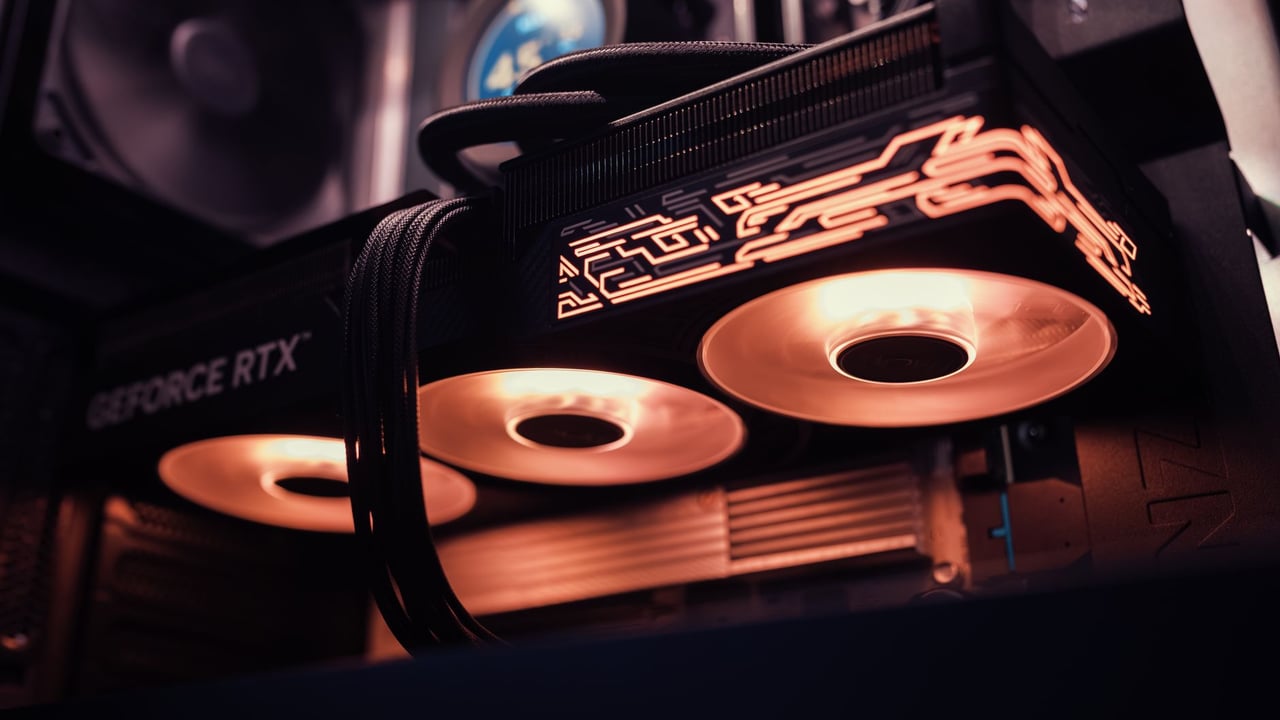
Simultaneously, Huang’s deep dive into NCSOFT’s technical ecosystem highlights the immediate commercial synergy of NVIDIA’s hardware. The upcoming 'Aion 2' is set to integrate the full suite of RTX technologies, including DLSS Frame Generation and Reflex, aimed at lowering latency in competitive play. Huang’s assertion that NVIDIA would not exist without the demands of gamers and net cafes underscores a symbiotic relationship where gaming hardware pays for the R&D of the world’s most powerful AI chips.
Beyond software, Huang’s tour of Seoul functioned as a diplomatic mission to secure the entire AI supply chain. From lunching with Hyundai Motor Group Chairman Euisun Chung to dining with the heads of SK Hynix, LG, and NAVER, Huang is weaving NVIDIA into the fabric of Korea’s industrial giants. Whether it is sourcing HBM memory for data centers or developing autonomous driving platforms with Hyundai, the trip reinforces South Korea’s role as the indispensable hardware hub for the global AI revolution.