
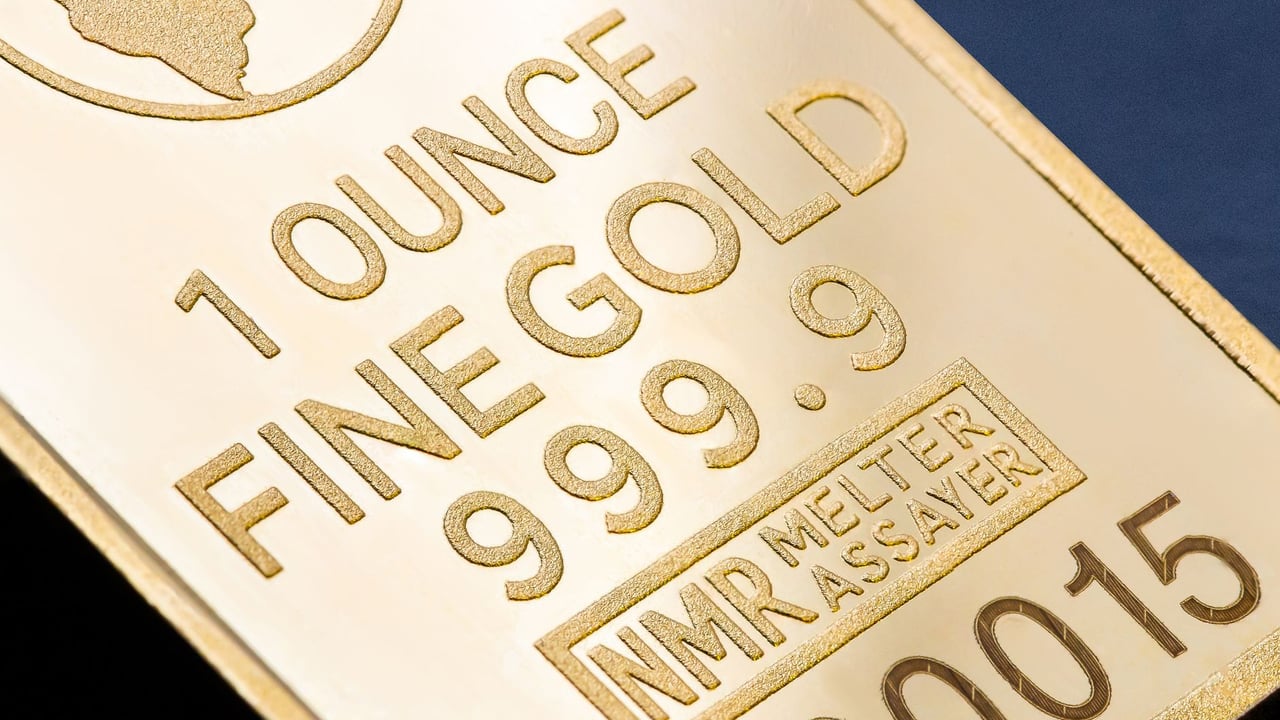

The gold market has entered a period of extreme volatility, characterized by a dramatic 'folding' of prices that has erased year-to-date gains in a matter of months. In Beijing’s premier shopping districts, the atmosphere at major jewelry counters is one of quiet trepidation rather than the usual frenzy associated with price drops. Despite leading brands like China Gold and Chow Tai Seng slashing prices by over 100 yuan per gram, the expected wave of 'bottom-fishing' consumers has yet to materialize, with most shoppers remaining in a cautious 'wait-and-see' mode.
This retail cooling follows a violent correction in international spot gold prices, which recently tumbled to approximately $4,328 per ounce, marking a significant retreat from a peak that once neared $5,600 earlier in 2026. The shift in momentum has been so swift that major Chinese financial institutions, including ICBC and Agricultural Bank of China, have been forced to intervene. These banks have hiked margin requirements for gold-related derivatives from 100% to 120%, a defensive maneuver aimed at curbing systemic risk as price fluctuations grow increasingly erratic.
The catalyst for this sudden downturn is largely exogenous, rooted in stronger-than-expected U.S. labor data that has effectively extinguished hopes for a Federal Reserve rate cut in the near term. As high interest rates persist, the opportunity cost of holding non-yielding assets like gold rises, pushing investors back toward the U.S. dollar and Treasury yields. Analysts point out that the current sell-off is a combination of macroeconomic pressure and a technical correction following a long-term bull run that left the market overextended.
However, a curious divergence is emerging between the retail sector and the state’s strategic reserves. While individual consumers hesitate, the People’s Bank of China (PBOC) has extended its gold-buying spree to 19 consecutive months, with total reserves now reaching 74.96 million ounces. This state-level accumulation is part of a broader global trend where gold has surpassed U.S. Treasuries to become the world’s primary reserve asset, accounting for 27% of total official reserves globally as of late 2025.
For the average investor, the road ahead remains murky. Experts suggest that gold may find a floor between $4,000 and $4,200 per ounce, as the market works to digest the current bearish momentum. While the short-term outlook is clouded by the Federal Reserve’s hawkish stance, the long-term logic for gold remains intact due to ongoing de-dollarization and geopolitical instability. Financial advisors are currently recommending a 'no-leverage, no-chasing' strategy, urging patience until the price stabilizes within a sustainable range.