

For three years, Xiaomi has been the protagonist of a high-stakes commercial drama, watching its market value quintuple before facing a brutal correction. The Chinese tech giant’s recent trajectory—marked by explosive growth in 2024 and a systemic decline in early 2026—serves as a cautionary tale about the volatility of consumer sentiment and the structural limitations of low-margin hardware ecosystems. While CEO Lei Jun successfully cultivated an image as China’s premier business idol, the underlying economics of his 'Human-Car-Home' strategy are now being tested by the harsh realities of the automotive and smartphone markets.
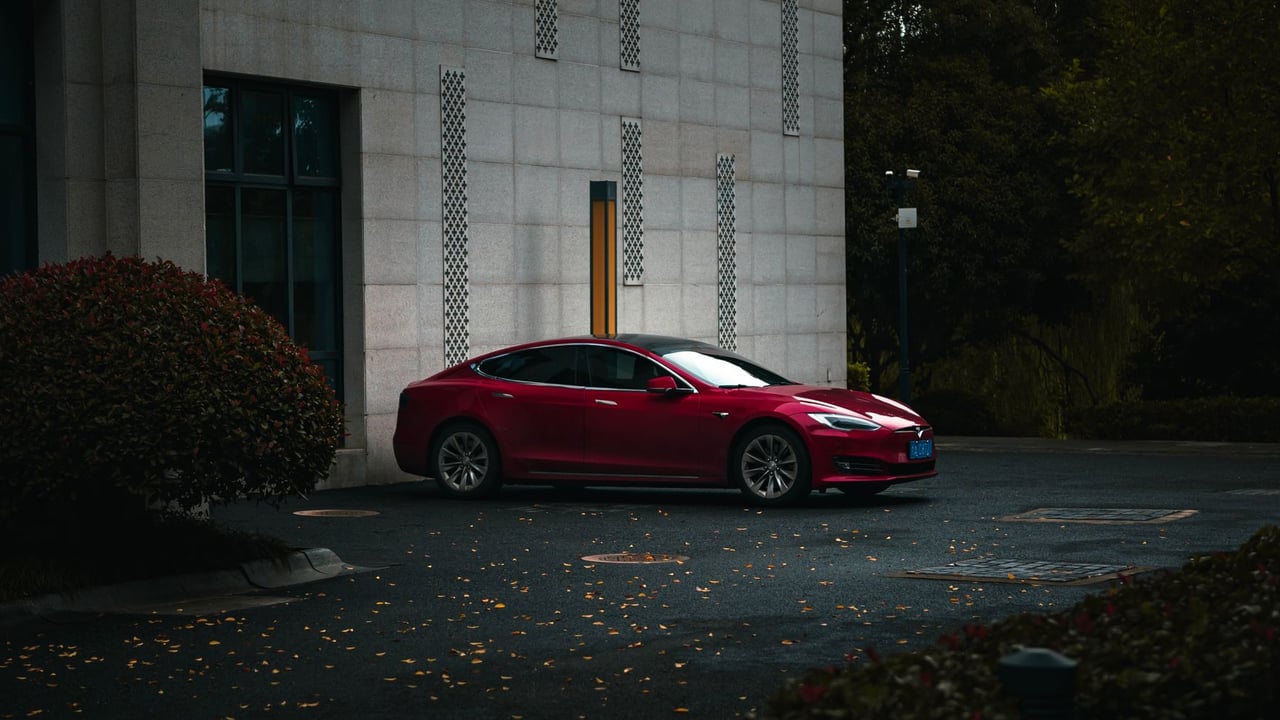
In early 2024, the outlook for Xiaomi’s automotive ambitions was bleak as the domestic electric vehicle (EV) sector was mired in a punishing price war that left most players, excluding BYD and Li Auto, in the red. Yet, the launch of the Xiaomi SU7 defied expectations, becoming a global phenomenon and providing a massive brand halo that boosted the company's high-end smartphones and home appliances. By 2025, Xiaomi’s revenue had surged, and Lei Jun’s personal brand reached a zenith, amassing 25 million followers on social media as he filled the cultural vacuum left by more reclusive tech titans like Jack Ma or Pony Ma.
However, a critical distinction remains between Xiaomi and a platform company like Apple. While the iPhone transformed Apple into a high-margin, software-driven ecosystem with deep moats, the SU7 has not fundamentally altered Xiaomi’s business model. Despite the hype, Xiaomi remains tethered to the low-margin realities of the Android market and the even more precarious automotive industry. Unlike Apple, which maintains hardware margins near 40% even amidst rising costs, Xiaomi’s smartphone margins have fluctuated wildly, dropping as low as 8.3% during supply chain inflationary periods.
By the first quarter of 2026, the 'synergy' of the ecosystem began to work in reverse. A single vehicle fire incident acted as a catalyst for a broader shift in public perception, proving that for a brand built on mass-market popularity, 'flipping the car' is often just a matter of time. The ensuing downturn was comprehensive: Xiaomi’s smartphone shipments in China plummeted by 35%, its TV sales fell by 22%, and even Lei Jun’s once-impregnable reputation began to fray as social media followers turned critical.
This reversal underscores a fundamental truth about the automotive industry: it is a 'bitter' business where past success offers no protection against future failure. Unlike the beverage or software industries, where leaders can maintain dominance for decades, the car market is notoriously fickle. For Xiaomi, the rapid rise and equally swift stumble suggest that while marketing and 'ecological' connectivity can create a temporary legend, they cannot fully insulate a company from the gravity of manufacturing costs and the inherent randomness of consumer trust.