
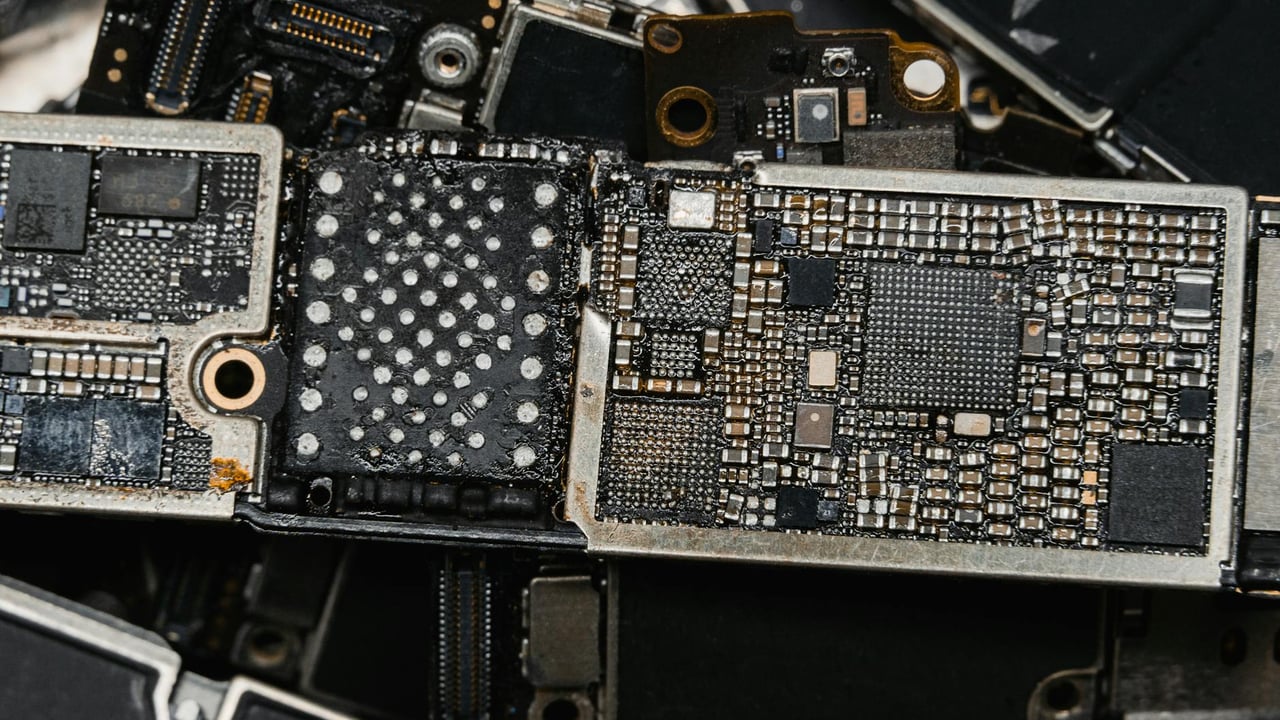

The global smartphone industry, long a bastion of rapid growth and frequent hardware cycles, is facing a significant structural contraction. According to a new forecast by TrendForce, global production is expected to plummet by 16.2% in 2026, reaching a total of just 1.051 billion units. This decline marks a stark reversal for a sector that has historically relied on predictable component pricing and stable supply chains to drive consumer demand.
The primary catalyst for this downturn is the relentless surge in memory chip prices. For years, manufacturers benefited from a surplus of low-cost DRAM and NAND flash memory, but those strategic stockpiles have finally been exhausted. Now, multiple quarters of aggressive price hikes are directly eroding the profit margins of major handset brands, forcing them to re-evaluate their production targets and manufacturing strategies.
In response to these fiscal pressures, many brands have already entered a "production adjustment phase" as of the second quarter. This tactical retreat involves scaling back orders and thinning out product portfolios to protect the bottom line. However, the relief may be temporary, as the structural supply-demand imbalance in the semiconductor sector shows few signs of easing in the near term.
If memory prices do not stabilize soon, the consequences for the global consumer market will be severe. Market analysts warn of an "extreme scenario" where brands are forced to pass these increased costs directly to the buyer through significantly higher retail prices. Such a move would likely dampen consumer enthusiasm further, potentially leading to a production decline even steeper than the currently projected 16.2%.