
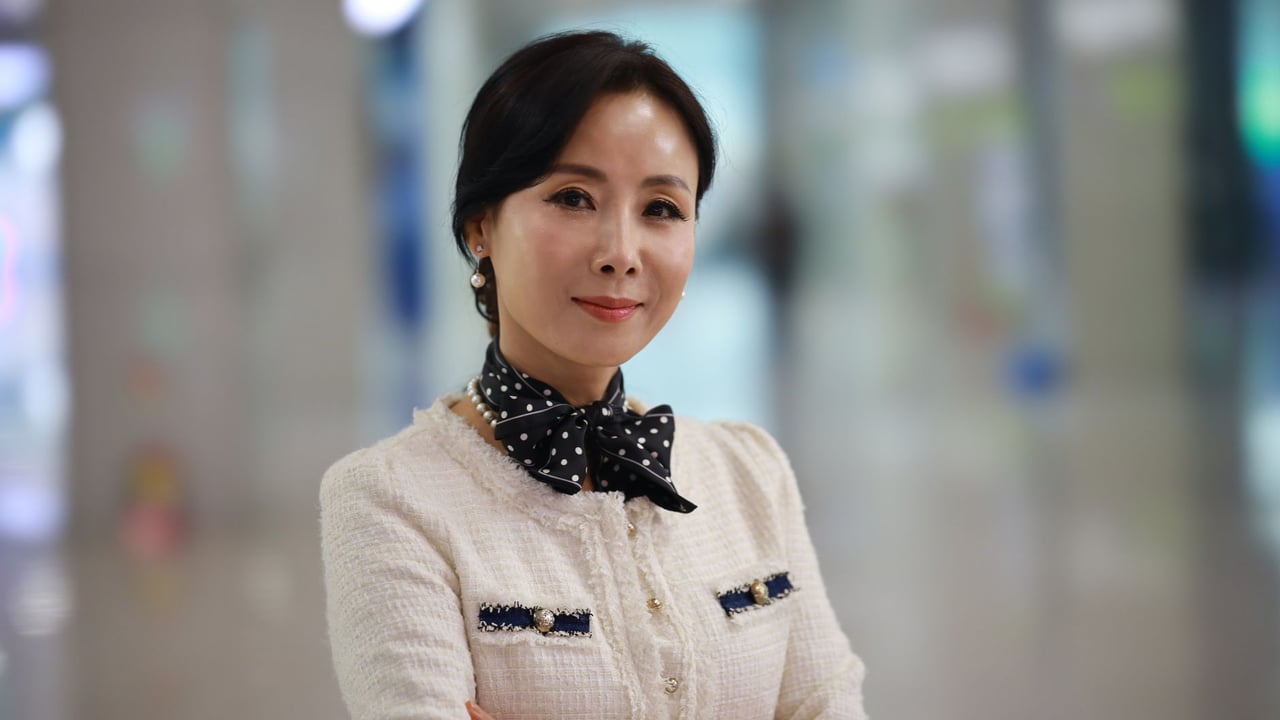

The transition of power within Wahaha, one of China’s most storied beverage empires, has proven far more turbulent than many anticipated. Two years after the passing of founder Zong Qinghou, his daughter and heir, Kelly Zong, has made a definitive break from the corporate structure that defined her father’s legacy. In September 2025, she resigned from all executive roles within the Wahaha Group, opting instead to consolidate her power at Hongsheng Group, a company she has controlled and nurtured for nearly two decades.
This strategic retreat is not a retirement but a relaunch. By reviving her personal brand, KELLYONE, Zong is signaling a total "de-Wahaha-ization" of her business interests. The latest product to hit the shelves in the affluent Jiangshu, Zhejiang, and Shanghai regions is "Guoran Bobo," a carbonated beverage that pointedly lacks any Wahaha branding. The move marks a shift from being a mere successor to becoming an independent entrepreneur, leveraging her own name—Kelly—as a symbol of professional autonomy.
At the heart of this schism lies a fundamental clash of corporate cultures. Zong Qinghou’s era was defined by "renqing," a traditional Chinese management style built on personal relationships, loyalty, and a sprawling "Lianxiaoti" distribution network that saturated China’s lower-tier cities. In contrast, Kelly Zong, educated in California, has long advocated for a Western-style standardized management system. Her preference for flat hierarchies, data-driven decision-making, and direct-to-consumer digital channels proved increasingly incompatible with the old guard at Wahaha.
Zong is now using Hongsheng Group as her primary vehicle for innovation. Originally established in 2003 as a peripheral OEM manufacturer for Wahaha, Hongsheng has grown into a manufacturing powerhouse in its own right, reporting revenues of over 10 billion RMB. While it still handles significant production for the parent company, Kelly Zong is aggressively pivoting the firm toward proprietary brand development. The new strategy abandons the mass-market, low-price playbook in favor of high-end convenience stores and instant-retail platforms that cater to China’s urban youth.
This second act is not without significant risk. The Chinese beverage market is a notoriously crowded "red ocean" where brand loyalty is fickle and distribution costs are soaring. Previous attempts to scale KELLYONE in 2016 met with lukewarm results, a fact Zong herself has candidly admitted. However, by disentangling herself from the internal politics and trademark disputes that plagued her tenure at Wahaha Group, she has finally gained the freedom to test her modern commercial theories without the weight of her father’s shadow.