Redemption in the Slimline: Apple’s iPhone Air Prepares for a Second Act

Apple is developing a second-generation iPhone Air to address the camera and battery shortcomings that led to the first model's commercial failure. The new device will likely feature a dual-camera system and an A20 Pro-based chip, though rising component costs may lead to higher retail prices.

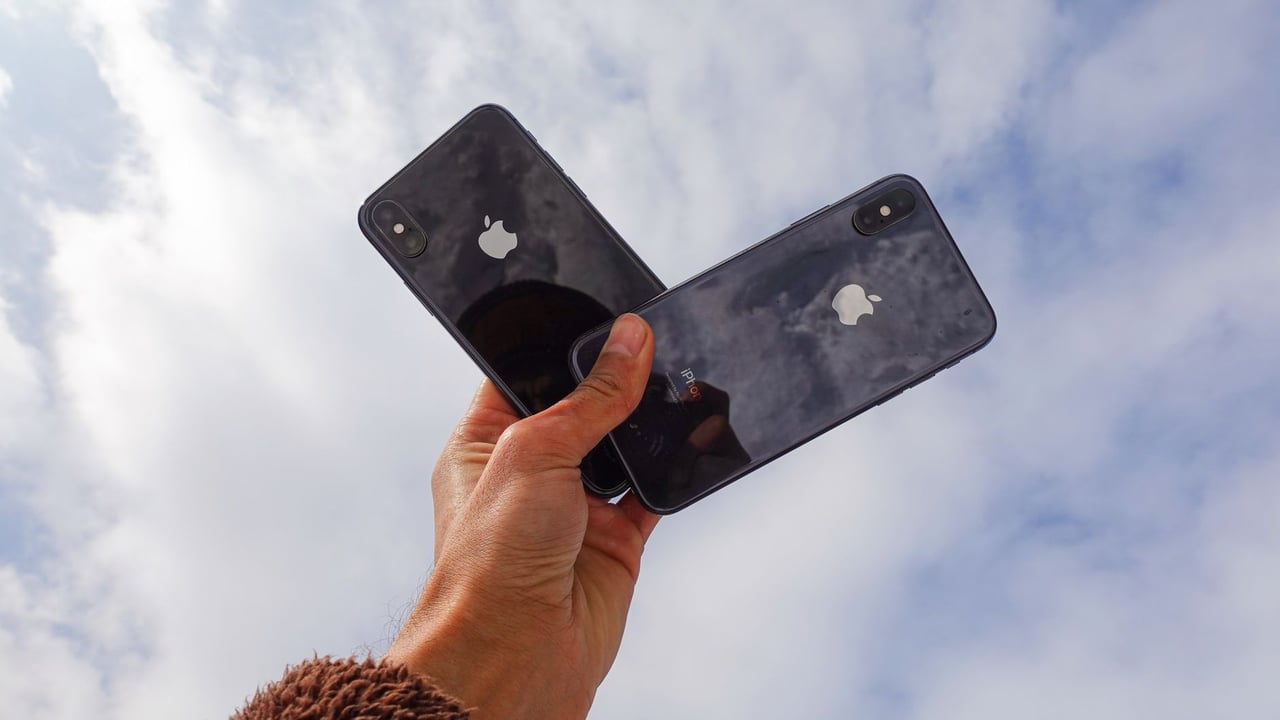
Close-up of a hand holding two smartphones against a cloudy sky, showcasing modern technology.

Key Takeaways

  • 1The second-generation iPhone Air (codenamed V62) is scheduled for a spring release, aiming to fix 'fatal flaws' in camera and battery life.
  • 2Upgrades include a move to a dual-camera system with ultra-wide capabilities and a more power-efficient variant of the A20 Pro processor.
  • 3The predecessor suffered from poor sales and drastic price drops in China, leading to the early dismantling of production lines at Foxconn.
  • 4CEO Tim Cook warned that rising memory costs make price hikes across the iPhone lineup increasingly unavoidable.
  • 5Apple’s strategy focuses on capturing a segment of users who prioritize thinness and design over the raw performance of the Pro models.

Editor's
Desk

Strategic Analysis

The iPhone Air represents Apple’s ongoing attempt to diversify its product tiers by selling 'design as a feature.' Much like the MacBook Air eventually superseded the standard MacBook, Apple is betting that a significant portion of its user base values a svelte profile more than professional-grade camera arrays or maximum battery capacity. However, the first generation proved that there is a floor for utility; consumers will not pay premium prices for a device that cannot last a full day or take competitive photos. By introducing a dual-camera system and the A20 Pro silicon, Apple is moving the 'Air' away from a niche experiment toward a viable mid-to-high-tier staple. The real challenge will be the price point—if component inflation forces the Air into the Pro's price bracket, it may face the same identity crisis that hampered its debut.

China Daily Brief Editorial
Strategic Insight
China Daily Brief

Apple is reportedly doubling down on its vision for an ultra-thin smartphone, with leaked details of a second-generation 'iPhone Air' emerging as the company seeks to rectify the perceived failures of its predecessor. The original iPhone Air, which debuted in late 2025, struggled to find its footing due to significant compromises in battery life and camera capabilities. Now, internal reports suggest a successor, codenamed V62, is being developed to address these 'fatal flaws' and re-test consumer appetite for aesthetic-led hardware.

The upcoming iteration is expected to introduce a dual-camera system, a critical upgrade from the single-lens setup that led to widespread consumer dissatisfaction. By adding an ultra-wide sensor, Apple aims to bridge the gap between its standard models and the high-performance Pro line. Additionally, engineers are reportedly focused on improving endurance, either through increased battery density or more efficient power management from a variant of the A20 Pro chipset, which is also slated for the iPhone 18 Pro series.

The stakes for this redesign are high, particularly in the Chinese market where the first-generation Air saw dramatic price cuts shortly after launch. High initial pricing combined with a lack of physical SIM slots—a decision that hindered adoption in several regions—forced supply chain partners like Foxconn to dismantle production lines early. To regain momentum, the spring release of the iPhone Air 2 will likely coincide with a broader reshuffling of Apple’s product hierarchy, positioning the 'Air' as a premium, portability-focused alternative to the bulky Pro Max.

However, these technical improvements come at a time of rising economic pressure. Apple CEO Tim Cook recently signaled that soaring memory costs have made price increases 'inevitable.' While Apple aims to shield customers from the full brunt of these costs, the era of stable pricing may be ending. As the iPhone Air 2 prepares for its debut, it must navigate the difficult balance of offering a sophisticated, ultra-thin form factor without the functional trade-offs that doomed its first attempt.

Share Article

Related Articles

📰
No related articles found