
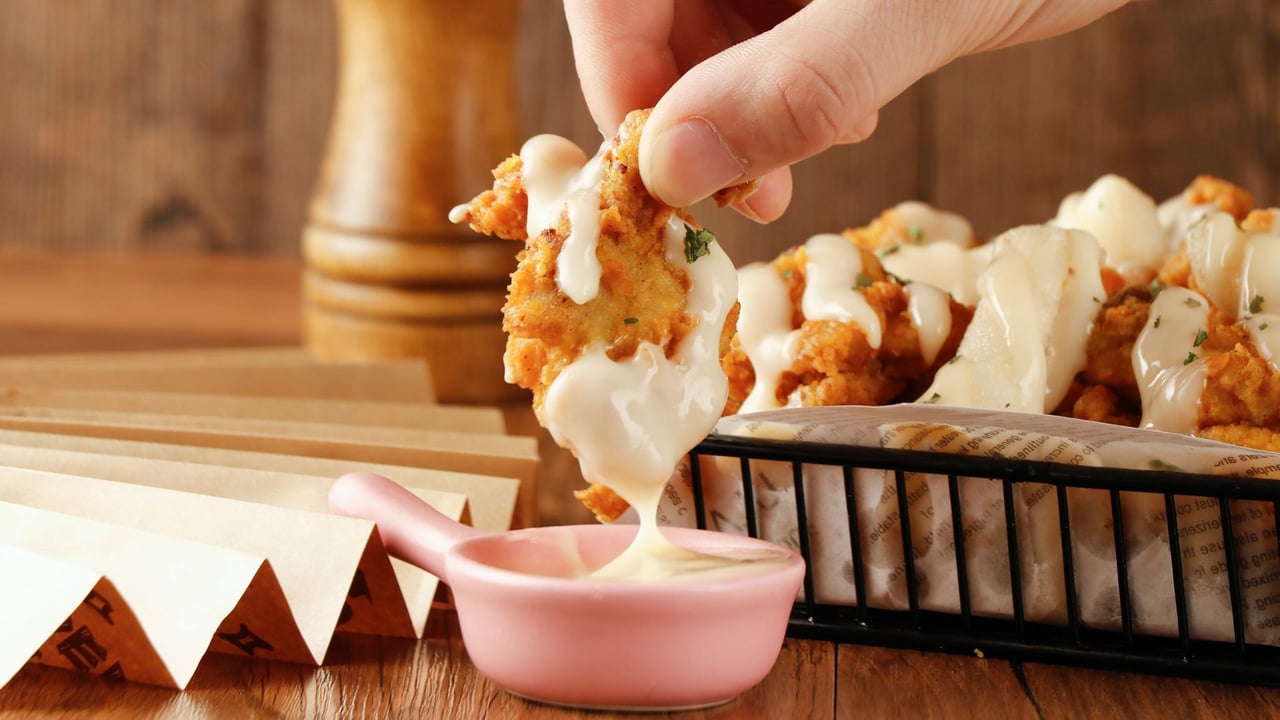

For years, Zhengxin Chicken Steak was the undisputed monarch of Chinese street food, a ubiquitous fixture in the nation's 'sinking market' of lower-tier cities. Long before Western-style coffee or bubble tea giants reached ubiquity, Zhengxin had already scaled the mountain, boasting over 25,000 stores by 2021. At its peak, the brand was a symbol of the '10,000-store formula,' relying on a single hero product, aggressive franchising, and rock-bottom pricing to capture the hearts of small-town consumers.
However, the empire is currently in a state of dramatic contraction. Recent industry data reveals that Zhengxin’s active store count has plummeted to roughly 9,500 outlets—less than half of its historical high. While competitors like the tea giant Mixue Bingcheng have continued their global sprint toward 60,000 locations, Zhengxin’s retreat signals a profound shift in the viability of the low-barrier franchise model that once defined the previous decade of Chinese consumption.
The decline is rooted in the very strategy that fueled its rise: extreme density. In many commercial districts, multiple Zhengxin outlets were often situated within hundreds of meters of each other, leading to severe cannibalization of profits. Early franchisees could recoup their investment in months, but today’s operators report daily revenues falling to a fraction of their former glory, with some barely breaking even as foot traffic is diluted across a saturated market.
Consumer tastes have also evolved beyond the simple allure of deep-fried snacks. The rise of more diverse 'fried skewer' brands and a growing public focus on health have rendered the grease-heavy chicken steak less appealing. Furthermore, high-profile food safety scandals and perceived price hikes across the snack sector—often dubbed 'price assassins' by disgruntled netizens—have eroded the brand equity that Zhengxin spent years building through celebrity endorsements and mass-market reach.
This retrenchment is not isolated to Zhengxin; other pioneers like the 'braised snack trio' and the burger chain Wallace have also faced stalling growth or store closures. The shift suggests that the era of 'consumption enlightenment' is over. Modern Chinese consumers no longer buy a brand simply because it is available; they demand a balance of quality, frequency, and health that traditional street food models struggle to provide.
In a move that mirrors the desperation of a fading giant, Zhengxin is now reportedly eyeing an IPO to stabilize its finances. This pivot from a position of 'no need for listing' during its 2021 peak to a search for capital today serves as a poignant footnote to a cycle of hyper-expansion. For the giants of the street food era, the 10,000-store milestone has transitioned from a permanent fortress to a mere entry ticket in a much more punishing war of survival.