
# Mixue Bingcheng
Latest news and articles about Mixue Bingcheng
Total: 10 articles found

The New Cool: Chinese Brands Pivot to Address Europe’s Climate Crisis and Global Growth
Chinese manufacturers are leveraging Europe's extreme heatwaves and a robust 'Going Global' strategy to dominate the household appliance market and expand industrial footprints in Southeast and Central Asia. From record-breaking AC sales to large-scale robotic deployments in Malaysia, the trend highlights a maturing export model focused on high-tech integration and localized solutions.
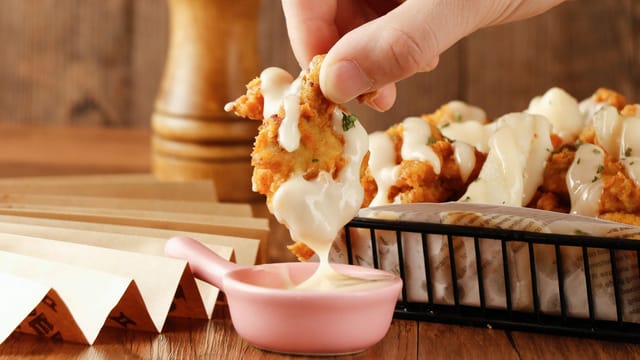
The Fading Sizzle: Why China’s Former Chicken Steak King is Retrenching
Zhengxin Chicken Steak, once the largest food chain in China, has closed over 15,000 stores as its rapid-franchising model hits a ceiling. The brand’s decline highlights a broader trend where market saturation, shifting health consciousness, and food safety concerns are forcing former street food leaders to retrench.

The Great Convergence: Luckin and Mixue Blur the Lines in China’s Beverage Wars
China's leading beverage brands are abandoning product specialization to become 'all-day' drink providers, with Luckin Coffee's tea sales hitting 20 billion RMB while tea giants like Mixue invest heavily in coffee infrastructure. This strategic convergence is a response to market saturation and falling same-store sales growth across the industry.
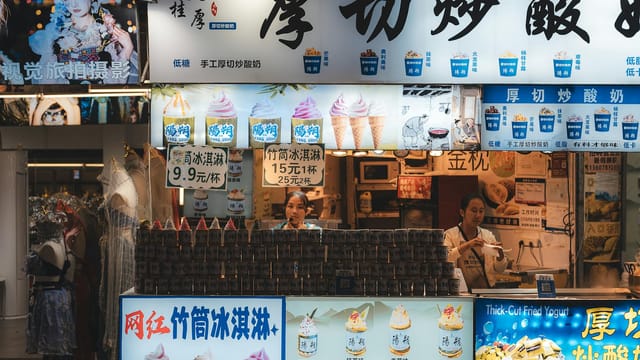
Scooping Up Growth: Why China’s Tea Titans Are Pivoting to the Freezer
China's leading milk tea brands are aggressively expanding into the ice cream and gelato sectors to counter slowing growth in their core tea businesses. By acquiring foreign legacy brands and launching independent outlets, these companies hope to leverage high margins and shared supply chains to maintain their market dominance.
Chilled Expansion: Why China’s Tea Titans are Swallowing the Ice Cream Market
China's leading tea brands are pivoting to independent ice cream and Gelato stores to escape a saturated beverage market. By leveraging their established supply chains and capturing high-margin segments, these domestic players are effectively displacing retreating Western legacy brands.
The Snow King’s Gambit: Mixue Bingcheng Pivots from Budget Tea to Corporate Maturation
Mixue Bingcheng is undergoing a major corporate evolution, transitioning from a family-run budget tea brand to a professionalized global player. The company is investing billions in green supply chains and IP-driven entertainment while navigating the complex ESG demands of its 40,000-store franchise network.

Squeezing the King: China’s Beverage Giants Take the Lemonade War to the Bottle
China's leading beverage brands are launching a massive wave of bottled, large-capacity lemonade products to disrupt the market share of fresh-tea chains like Mixue Bingcheng. By combining aggressive pricing with health-conscious 'clean labels' and superior retail distribution, these giants are transforming lemonade into the next major category in the ready-to-drink industry.

The Parent Trap: Why Mixue Bingcheng is Cannibalizing Its Own Coffee Empire
Tea giant Mixue Bingcheng is increasingly encroaching on the market of its own sub-brand, Lucky Cup, by upgrading its coffee technology and offering lower prices. This internal rivalry suggests that Lucky Cup's mission to become the 'coffee version of Mixue' is being undermined by the parent brand's own expansion.

The Bitter Aftertaste: China’s Tea Drink Giants Face a Growth Reckoning
China's new-style tea industry is transitioning from a period of rapid store expansion to a grueling war of attrition as the market reaches saturation. While low-cost leaders like Mixue Bingcheng are pivoting to coffee, premium brands like Chagee and Nayuki are struggling with declining profits and the high costs of delivery-dependent business models.
The Ice Cream King’s Identity Crisis: Mixue Bingcheng Trades Speed for Survival
Mixue Bingcheng has replaced its founder with a finance-heavyweight CEO as the brand struggles with thinning profit margins across its 60,000-store empire. The new leadership is pivoting toward a high-quality supply chain to address a crisis where average daily store profits have dipped below 270 RMB.