

The global automotive industry is currently navigating a period of profound structural upheaval, defined by aggressive cost-cutting in Europe and strategic diversification in Asia. Volkswagen Group has signaled a massive labor recalibration, announcing plans to eliminate approximately 50,000 jobs by 2030, with 19,000 positions set to be phased out in Germany by the end of this year. CEO Oliver Blume framed these cuts as essential to streamlining organizational structures and enhancing long-term competitiveness amid intensifying industry competition and geopolitical shifts.
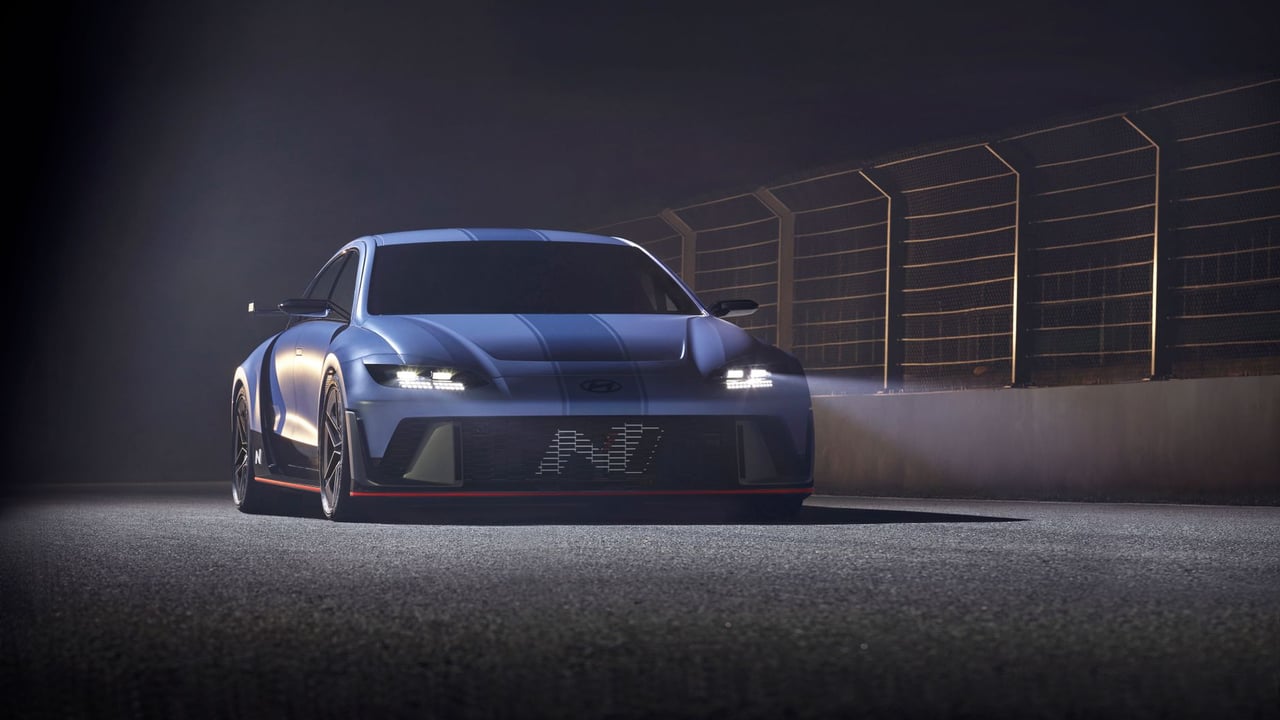
While legacy giants like Volkswagen are trimming their workforces to manage the transition to software-defined vehicles, Hyundai Motor Group is doubling down on high-tech assets. The South Korean conglomerate is set to acquire SoftBank’s remaining 9.65% stake in Boston Dynamics for approximately $325 million, making the robotics pioneer a wholly-owned subsidiary. This move underscores Hyundai’s ambition to transcend traditional car manufacturing and establish itself as a leader in autonomous mobility and robotics.
In China, the world's most aggressive electric vehicle (EV) market, state media is beginning to push back against the 'bigger is better' philosophy. A commentary from the People's Daily recently criticized the trend of 'obese' EVs and 'token inflation' in artificial intelligence, arguing that blind scaling—resulting in cars too wide for standard parking spots and AI models consuming massive energy for vanity metrics—leads to market 'involution' rather than genuine innovation. This indicates a shift in Chinese regulatory sentiment toward prioritizing efficiency and user utility over raw technical specifications.
Simultaneously, the challenges of rapid manufacturing are manifesting in a surge of safety recalls across the Chinese market. Geely-owned Zhejiang Haoqing is recalling over 2,500 Volvo EX30 units due to battery short-circuit risks, while Toyota and its Lexus brand are recalling over 13,000 vehicles to address instrument cluster software failures. These incidents serve as a sobering reminder that as the industry races toward a digital and electric future, the fundamental requirements of hardware reliability and passenger safety remain as critical as ever.