
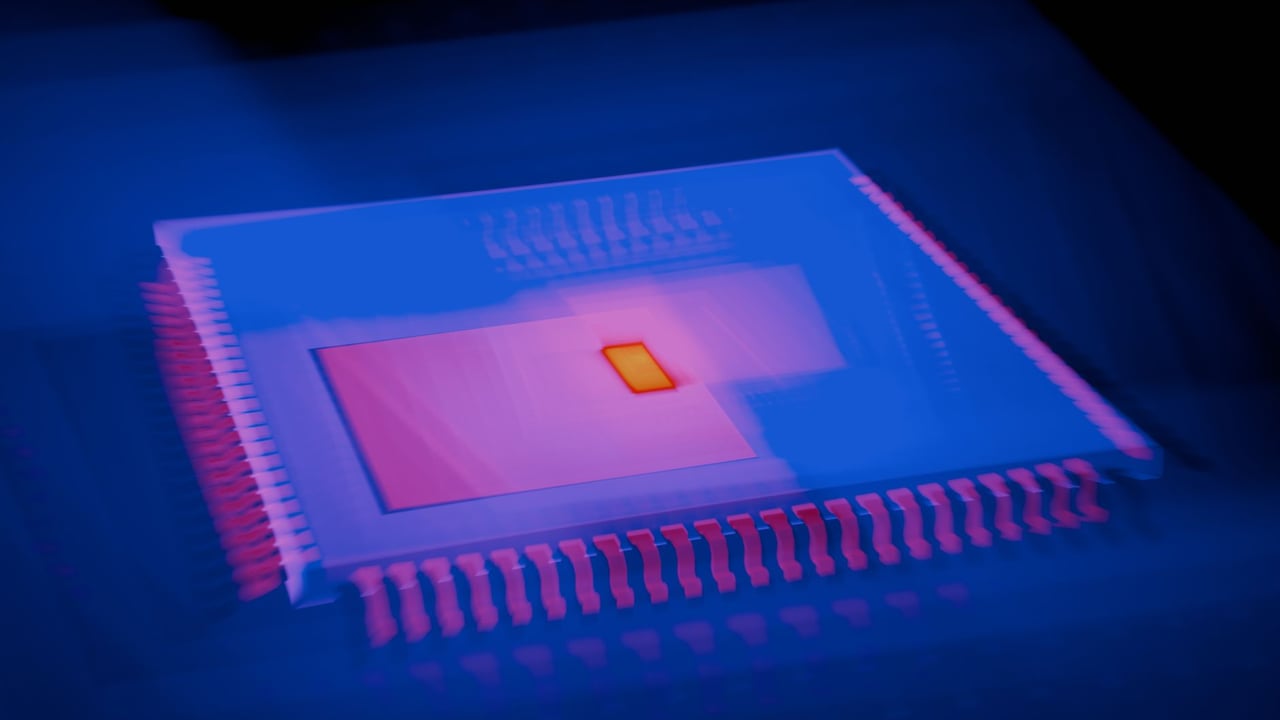

The global technology landscape is undergoing a profound structural realignment as industry titans transition from general-purpose computing to AI-specialized hardware. Apple is reportedly executing a significant pivot in its silicon roadmap, opting to skip the high-end iterations of its forthcoming M6 processor. Instead, the Cupertino giant plans to leapfrog directly to the M7 series by 2027, focusing exclusively on the advanced computational and graphical demands of generative artificial intelligence for its Pro and Max product lines.
This strategic bypass highlights the immense pressure on hardware manufacturers to deliver 'AI-native' performance. By prioritizing the M7’s neural processing capabilities, Apple aims to bridge the gap between current consumer hardware and the high-latency requirements of sophisticated large language models. This move suggests that the interim M6 generation may serve primarily as a bridge for entry-level devices, while the true innovation is being reserved for a future where AI is no longer a feature, but the core architecture of the Mac.
In China, the race to embodied AI is accelerating with equal intensity. XPeng, a leader in the electric vehicle sector, has announced a massive organizational overhaul of its robotics division. CEO He Xiaopeng has taken personal command of the newly formed product department, signaling that robotics is no longer a peripheral R&D project but a central pillar of the company’s future. The restructuring into nine specialized departments, including 'Embodied Intelligence' and 'Data Closed-Loop,' reflects a maturing strategy to commercialize humanoid robots for industrial and consumer use.
The broader AI market remains characterized by both breakthrough and caution. While Chinese firms like Ubtech are debuting industrial-grade humanoid robots and iFLYTEK is deploying AI agents for complex procurement tasks, the financial side of the sector is cooling. OpenAI is reportedly weighing a delay of its highly anticipated IPO until 2027, citing market volatility and a shifting appetite among retail investors. This juxtaposition of rapid technical deployment and financial hesitation underscores the 'show-me' phase of the AI revolution, where companies must prove utility before seeking public exits.