
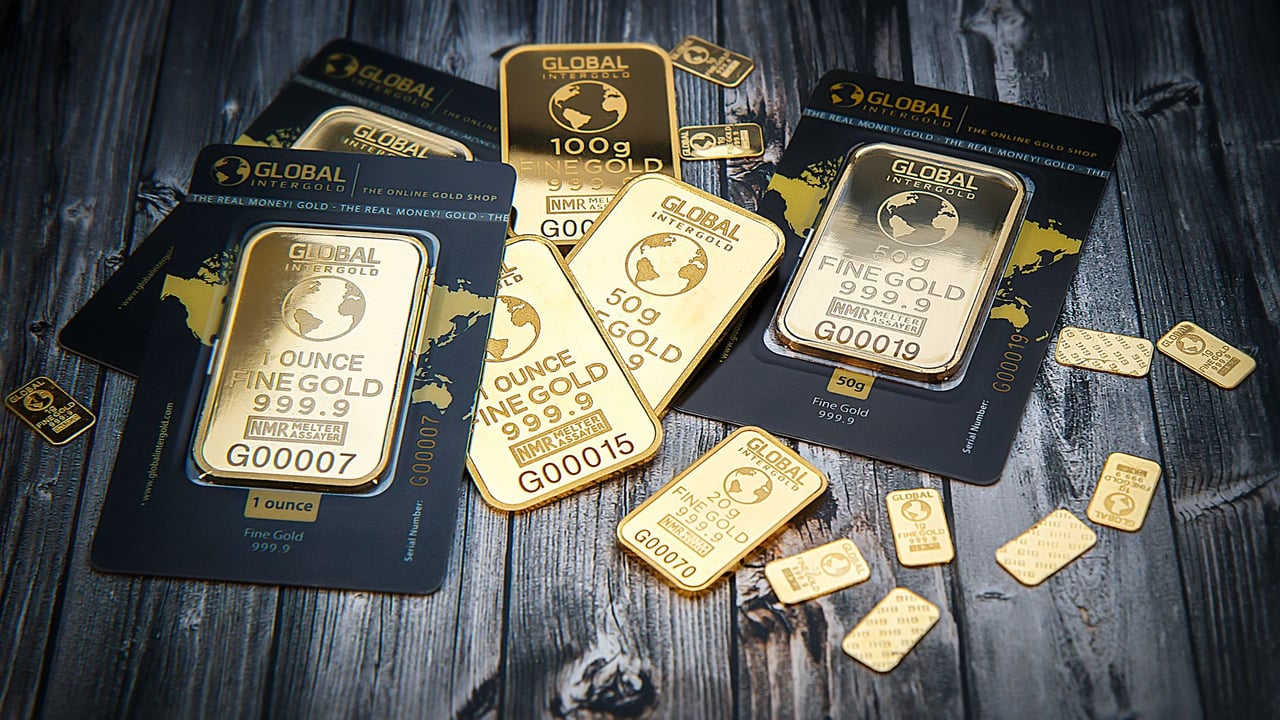

The global gold market is undergoing a painful recalibration as spot prices surrendered the critical $4,000 per ounce psychological threshold on June 30. This latest slide marks a staggering 29% retreat from the historic highs of nearly $5,600 recorded in January 2026, signaling that the metal has entered a period of deep technical adjustment. The correction has rippled through retail markets in China, where major jewelry brands like Chow Tai Fook and Lao Feng Xiang slashed prices as domestic demand cooled alongside international benchmarks.
This downward trajectory is primarily a casualty of the 'higher-for-longer' interest rate narrative gaining renewed momentum in Washington. Expectations for a Federal Reserve rate hike as early as September have intensified, propelled by hawkish signals from the central bank under the leadership of Chairman Walsh. The resulting surge in the U.S. Dollar Index to a 13-month high has effectively stifled the appeal of non-yielding assets, placing intense pressure on gold’s valuation.
The shift in sentiment has forced a dramatic pivot from Wall Street’s most prominent bulls. Goldman Sachs, which once accurately predicted the 2025 rally, has downgraded its year-end 2026 target from $5,400 to $4,900, citing 'tactical caution.' The bank’s analysts point to the postponement of expected rate cuts into 2027 and a diminishing need for gold as a policy hedge now that central bank independence appears more secure under the current Fed regime.
Despite the prevailing bearishness, the market remains sharply divided over the long-term outlook. While institutions like Citigroup and Morgan Stanley have lowered their short-term forecasts, others like JPMorgan maintain that the current slump is merely a 'stage-level rest.' These contrarians argue that the structural drivers of gold’s ascent—namely global de-dollarization and geopolitical instability—remain intact, even if they are temporarily overshadowed by cyclical monetary policy.
For investors, the first half of 2026 has been a masterclass in volatility, moving from record-breaking peaks to single-day crashes of over 12%. The transition from a one-sided bull market to a high-platform oscillation suggests that the easy gains of the previous year are over. As the market searches for a new floor, gold’s status as a 'safe haven' is being tested by the reality of a resilient dollar and a hawkish Fed that shows no immediate signs of relenting.