

The Shanghai Composite Index retreated on Tuesday, slipping below the psychologically significant 4,000-point threshold as broader market sentiment cooled. Despite a robust daily turnover of 2.58 trillion RMB, the volume represented a contraction of over 500 billion RMB compared to the previous session, signaling a cautious 'wait-and-see' approach among institutional and retail investors alike. The downturn was widespread, with nearly 4,800 stocks across the A-share market ending the day in negative territory.
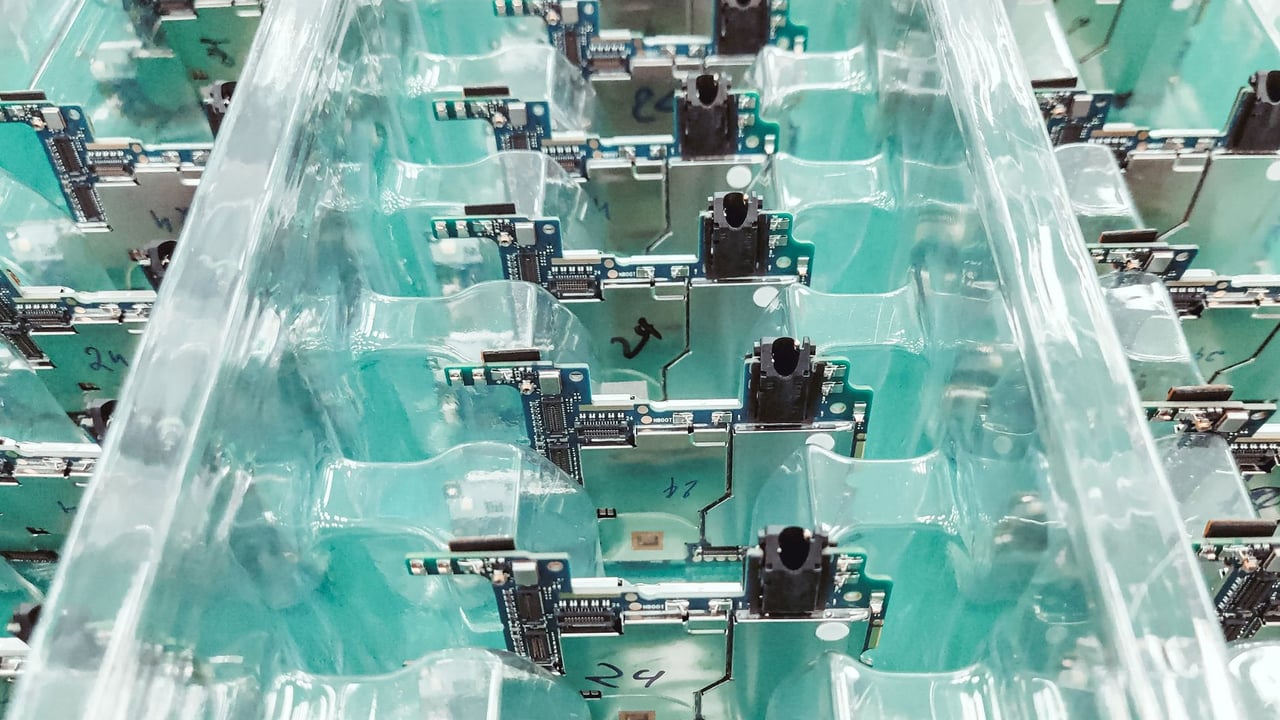
While the broader indices stumbled, the semiconductor sector emerged as a resilient outlier, fueled by renewed focus on domestic self-reliance. Companies specializing in silicon wafers and advanced packaging saw significant gains, with several industry leaders hitting the 20% upper limit. This 'polarization' of the market suggests that while capital is fleeing broader speculative plays, it is increasingly huddling in sectors aligned with Beijing’s long-term strategic industrial policy.
The decline was particularly pronounced in small and micro-cap stocks, where the micro-cap index plummeted by 4%. Other formerly high-flying sectors, including innovative drugs and non-ferrous metals, faced steep corrections. Analysts point to a combination of profit-taking at the 4,000-point peak and shifting expectations regarding new trading regulations that recently took effect, which have introduced stricter oversight on high-frequency and speculative trading patterns.
Compounding the domestic volatility are global concerns regarding a potential 'AI bubble.' Recent surveys indicate that over half of market participants are considering rotating out of high-growth technology stocks into more stable 'traditional economy' assets. This cautious rotation, coupled with the shrinking trading volume, suggests that the A-share market is entering a consolidation phase after a period of intense, tech-driven expansion.