
Business News
Latest business news and updates
Total: 2990

Prescient Profiteers: Insider Trading Suspicions Loom Over Fragile US-Iran Diplomacy
Recent high-value oil futures trades appearing just minutes before major diplomatic breakthroughs have sparked insider trading investigations. As the U.S. and Iran move toward potential peace talks in Islamabad, the integrity of market-moving information remains a critical concern for global regulators.

The Bitter Aftertaste of Luxury: Nayuki’s Struggle to Reclaim Its Soul in China’s Cutthroat Tea Market
Nayuki, once the leader of China's premium tea market, reported a 240 million RMB loss for 2025, making it the only major listed tea brand in the red. The company is struggling to reconcile its high-cost 'Third Space' retail model and signature bakery offerings with a consumer market that now prioritizes low prices and delivery efficiency.

Beijing’s Monetary Tightrope: Why China is Holding the Line on Interest Rates
China has maintained its benchmark lending rates for nearly a year to protect bank margins and currency stability amidst global uncertainty. However, analysts predict a shift toward targeted rate cuts later in the year to support the real estate market and offset potential export declines.

The China Disruptor: How Zhang Xue is Challenging the Hegemony of European and Japanese Motorcycling
Zhang Xue Motorcycles' breakthrough at the 2026 WSBK marks a pivotal shift for the Chinese motorcycle industry as it moves from mass-market utility to high-end competition. By combining self-developed performance engines with China's manufacturing efficiency, the brand is successfully challenging the market dominance of long-standing European and Japanese giants.

China’s Automotive Hegemons Double Down: The Strategic Push for SUV Dominance
China's leading automakers are launching a new wave of flagship SUVs, integrating 1000V architectures and high-end autonomous hardware to challenge market leaders. Brands like GWM and Leapmotor are targeting the premium segment with aggressive pricing and range-extended technology to secure dominance in a saturated market.

The $75,000 Fracture: What the Latest Crypto Liquidation Wave Signals for Global Markets
Bitcoin's sudden drop below the $75,000 mark has triggered a massive market correction, resulting in the liquidation of over 200,000 traders and exposing the risks of high leverage. The event highlights the continued volatility of digital assets and the precariousness of retail-driven speculative positions in the current macroeconomic climate.

Profit Over Protection: The Toxic Cycle of China’s Real Estate Platforms
Investigations into major Chinese real estate platforms reveal a 'pay-to-play' system that prioritizes advertising revenue over the authenticity of apartment listings. This environment enables rogue agents to use fake prices and hidden fees to exploit both landlords and tenants, while platforms evade legal responsibility for the resulting disputes.

Lei Jun’s 15-Hour Marathon: A Tech Titan’s High-Stakes Gamble to Resurrect the Xiaomi SU7 Buzz
Xiaomi CEO Lei Jun completed a 15-hour livestreamed drive from Beijing to Shanghai to defend the SU7 Pro's battery performance against online critics. The stunt highlights the extreme pressures of the Chinese EV market, where founders must personally vouch for their products to maintain consumer trust amid cooling demand.

Chips Over Chills: Samsung’s Strategic Retreat from the Chinese Appliance Market
Samsung is restructuring its Chinese operations to prioritize high-margin semiconductors and mobile devices while shifting its struggling home appliance business to a third-party agency model. The move reflects a broader trend of multinational brands losing ground to agile domestic competitors in China’s cutthroat consumer electronics market.
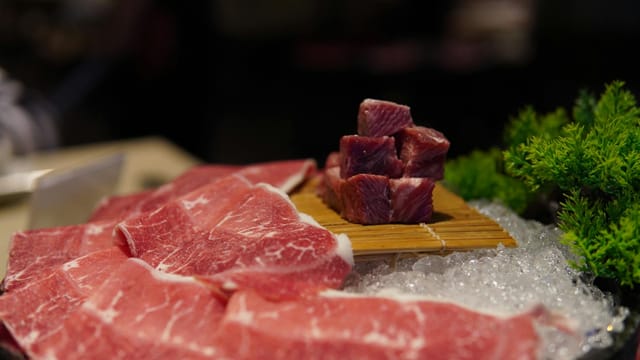
Haidilao’s ‘Iron Lady’ Returns: A High-Stakes Bet on Multi-Brand Expansion
Yang Lijuan, the veteran executive who led Haidilao's massive expansion, has returned to the core company to lead its new multi-brand diversification strategy. Her return signals a shift toward disciplined execution as the company's flagship hot pot business faces declining profits and market saturation.
From Moguls to Meltdown: The Slow-Motion Collapse of Huayi Brothers
Huayi Brothers, formerly China’s premiere film studio, is on the brink of delisting after losing over 8.1 billion RMB in seven years. A failed strategy of aggressive real estate expansion and the collapse of the celebrity-equity model have left the firm insolvent and its founders legally restricted.

Moutai’s Moment of Truth: Why China’s Liquor King is Sacrificing Growth to Save Its Mythos
Kweichow Moutai has reported its first annual revenue and profit decline since 2001, signaling a major turning point for China's premier luxury brand. The company is responding with a 'market-oriented' reform, emphasizing direct sales and dynamic pricing to stabilize its market position amidst a broader industry slump.