
Technology News
Latest technology news and updates
Total: 2544

Software Over Steering Wheels: ByteDance Refutes Car-Making Ambitions
ByteDance has officially denied plans to manufacture cars or launch an automotive brand, distancing itself from the 'Saidou' rumors. The company will instead focus on providing AI models and smart cockpit technology to existing automotive partners through its Volcano Engine and Doubao platforms.
Jensen Huang Reaffirms Nvidia’s High-Stakes Bet on Memory Amid Supply Chain Jitters
Nvidia CEO Jensen Huang has denied rumors that the company will reduce its HBM usage, confirming that Samsung, SK Hynix, and Micron are all certified for the upcoming Vera Rubin architecture. Despite tight supply, Huang emphasized that Nvidia will continue to maximize memory capacity to power its next-gen AI supercomputers.
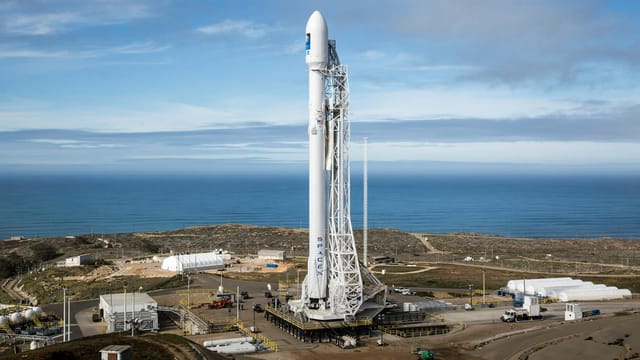
SpaceX Secures Landmark $11 Billion Annual Cloud Pact with Google Ahead of Historic IPO
SpaceX has signed a nearly $1 billion monthly cloud service deal with Google involving 110,000 Nvidia GPUs. This massive infrastructure investment comes just days before a rumored IPO, signaling a strategic pivot toward becoming a global data and AI powerhouse.
SpaceX’s New Frontier: The $11 Billion Compute Bridge to Google
SpaceX has entered a landmark $11 billion annual agreement to provide Google with massive cloud computing capacity, including 110,000 Nvidia GPUs, starting in late 2026. The deal highlights SpaceX's transition into a critical infrastructure provider for the global AI and cloud computing markets.
The Sovereign Pivot: Trump and OpenAI Negotiate a Strategic State Stake
The Trump administration is exploring a historic equity stake in OpenAI, potentially through a new sovereign wealth fund designed to distribute AI industry dividends to the American public while tightening federal oversight of frontier technology.
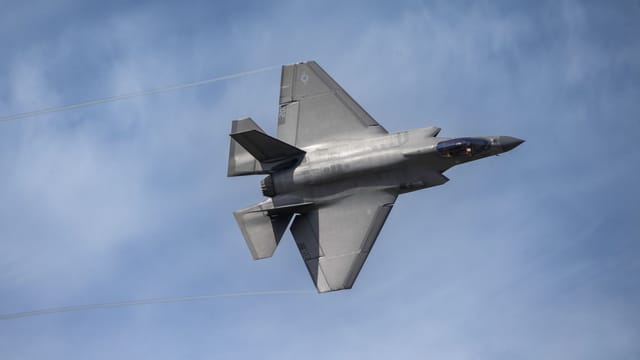
Breaking the Sound Barrier in Silence: NASA’s X-59 Moves Closer to Reviving Supersonic Travel
NASA and Lockheed Martin's X-59 experimental jet has successfully completed its first supersonic flight, marking a major milestone in the quest to eliminate disruptive sonic booms. This achievement paves the way for community testing and potential regulatory changes that could reintroduce commercial supersonic travel over land.
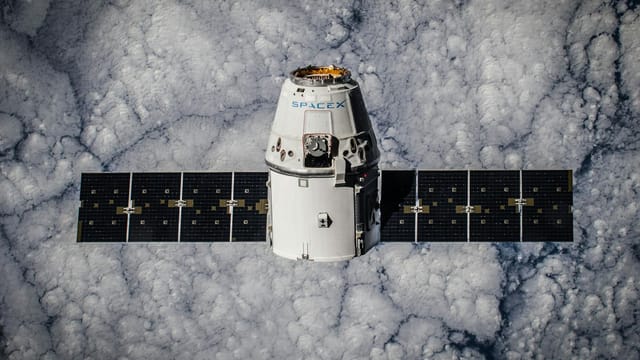
Orbital Synergies: Google’s $30 Billion Bet on SpaceX Cloud Infrastructure
SpaceX and Google have entered a landmark agreement worth approximately $30 billion, with Google paying $920 million monthly for cloud-integrated services starting in late 2026. This partnership bolsters SpaceX’s valuation ahead of its June 2026 IPO and provides Google Cloud with unparalleled global reach via the Starlink satellite network.
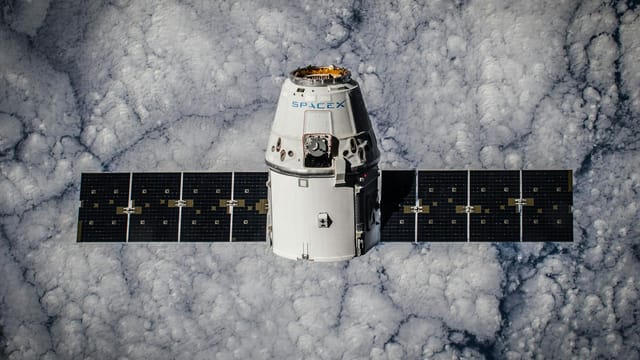
The Compute Power Broker: Alphabet Taps Elon Musk’s Arsenal in Landmark $30 Billion Deal
Alphabet has signed a $30 billion deal to lease AI computing power from SpaceX’s xAI subsidiary to support its Gemini platform. The agreement highlights the critical shortage of AI infrastructure and SpaceX's emergence as a dominant provider of high-end GPU compute for the industry's biggest players.
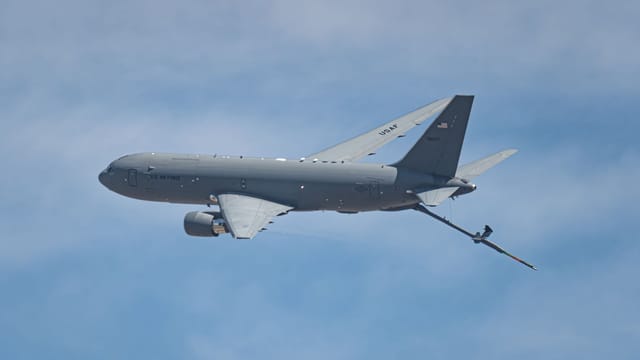
Fixing the Pegasus: Boeing’s KC-46 Nears Critical Visibility Upgrade with RVS 2.0 Milestone
Boeing has completed the first phase of flight testing for the KC-46's Remote Vision System 2.0, designed to fix critical visibility issues that have plagued the tanker program. The upgrade features improved high-definition cameras and processing hardware, moving the aircraft closer to full combat certification for the U.S. Air Force.

High-Tech Housecleaning: Why Chinese Authorities are Scrutinizing the Footprint of Dreame Technology
Local authorities in the Yangtze River Delta have launched a comprehensive audit of all business and state-funded ties to Dreame Technology. The move follows a major PR scandal involving the company's founder, highlighting the state's proactive approach to managing financial and reputational risk in high-profile tech investments.

China Asserts Dominance in Next-Gen Connectivity by Leading International AI-Broadband Standards
China’s CAICT has successfully initiated two international standards at the Broadband Forum focused on AI frameworks and autonomous agents for broadband networks. Led by a coalition of Chinese and international firms, these projects signal China's growing influence in setting the technical rules for future global telecommunications.
The Rockstar of Silicon: Jensen Huang’s High-Stakes Diplomacy from PC Bangs to Chaebols
Nvidia CEO Jensen Huang is utilizing a unique blend of pop-culture celebrity and industrial diplomacy during his tour of Taiwan and South Korea. By engaging with e-sports icons and chaebol leaders alike, Huang is solidifying Nvidia's dominance in the AI supply chain and consumer markets.