
Technology News
Latest technology news and updates
Total: 2544

Jensen Huang in Seoul: NVIDIA’s High-Stakes Bet on Gaming as the Laboratory for Physical AI
NVIDIA CEO Jensen Huang’s visit to South Korea highlights a strategic pivot toward 'embodied AI,' using high-fidelity gaming simulations to train future robotics. By partnering with local giants like Krafton and NCSOFT while securing ties with Hyundai and SK, Huang is positioning the gaming industry as the essential sandbox for the next phase of physical-world artificial intelligence.
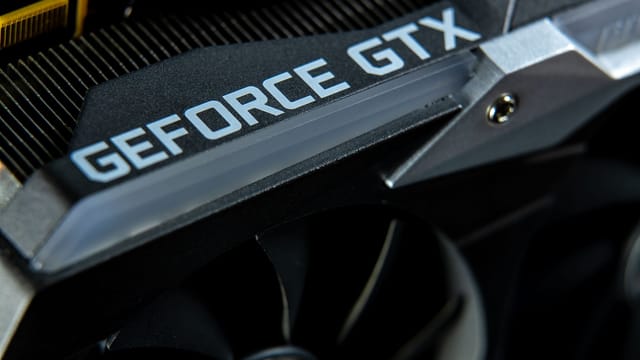
Silicon Solidarity: Nvidia and SK Group to Unveil Deepening AI Alliance
Nvidia CEO Jensen Huang and SK Group Chairman Chey Tae-won will announce a major strategic partnership on Monday, focusing on securing the supply chain for High Bandwidth Memory. The deal aims to solidify the production of HBM4 chips and ensure Nvidia's upcoming AI architectures have the necessary hardware support to maintain their market dominance.
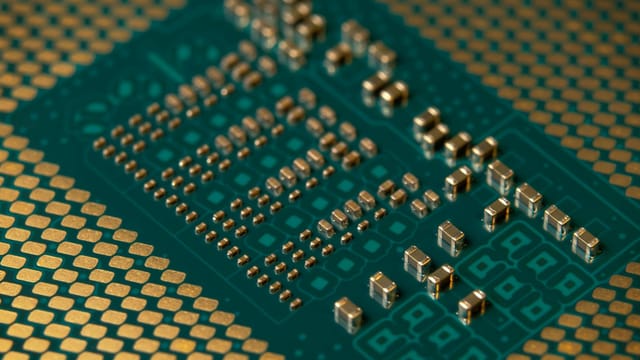
China’s Semiconductor Strategy Shifts Gears: Mass-Produced GaN-on-Silicon Signals a New Frontier
China has successfully mass-produced the world's first silicon-based GaN RF chips for consumer terminals, marking a major step in semiconductor self-sufficiency. This milestone, combined with surging demand for AI infrastructure components like 1.6T optical modules and high-end fiber preforms, signals a broader shift toward a sophisticated, hardware-driven 'AI-Plus' economy.

China’s Silicon-Based GaN Milestone: Scaling the Next Frontier of Wireless Connectivity
China’s CETC has successfully mass-produced and delivered 5 million GaN-on-Si RF chips, marking a significant milestone in bringing high-performance wide-bandgap semiconductors to the mass consumer market. This achievement strengthens China's self-reliance in 5G-Advanced and 6G hardware amid broader supply chain pressures and surging AI infrastructure costs.

The Great Inversion: Machines Overtake Humans as the Internet’s Primary Residents
For the first time in history, machine-generated web requests have surpassed human activity, accounting for 57.4% of all internet traffic. This shift, driven by the rise of AI agents and automated scraping, poses significant challenges for cybersecurity, digital advertising, and the long-term viability of AI training data.

OpenAI’s Super App Gambit: Transforming ChatGPT into an Action-Oriented Ecosystem
OpenAI is planning its largest overhaul of ChatGPT to date, transitioning the platform into a 'super app' that integrates autonomous agents and coding tools. The move marks a shift toward 'action-oriented' AI designed to boost revenue and solidify OpenAI's dominance in the enterprise sector.

Beyond the Chatbox: OpenAI’s Pivot to the 'Super App' and the Dawn of the AI Agent
OpenAI is overhauling ChatGPT to transition from a conversational chatbot into a 'Super App' focused on autonomous AI agents and professional coding tools. This strategic pivot targets high-margin enterprise revenue and aims to solidify the company's market position ahead of a potential initial public offering.

China’s Commercial Space Race Accelerates as Dahang Yueqian Nears Milestone Engine Test
Chinese private aerospace firm Dahang Yueqian is entering the final stages of testing for its 150-ton Qingyu-11 liquid oxygen-methane engine. With core component tests completed, the company expects to conduct a full-system test run in late 2026, marking a major step toward domestic reusable heavy-lift rocket capabilities.
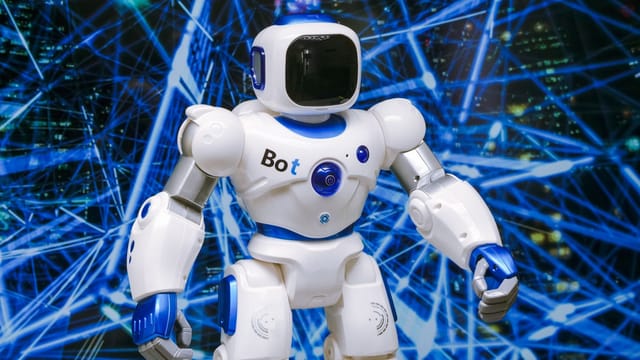
China’s Humanoid Moment: UBTECH Pre-Orders Signal a Consumer Robotics Breakthrough
UBTECH has reported a significant commercial milestone with over 2,110 pre-orders for its new biomimetic humanoid robot in less than a week. This trend highlights China's aggressive push to commoditize advanced robotics and lead the global shift toward consumer-grade embodied AI.

China Puts its Heavyweight EVs on a Diet as Regulators Target 'Vehicle Obesity'
Chinese regulators are implementing strict new energy efficiency standards to combat the increasing weight of domestic vehicles, which has risen by 400kg since 2012. The move targets the industry's reliance on massive battery packs and luxury features that compromise efficiency, forcing a shift toward lightweight engineering.

Silicon Valley’s Swarm: Google’s Bold Bet on Biological Pest Control
Google’s life sciences arm is seeking federal approval to deploy 32 million sterile mosquitoes across California and Florida. By leveraging the Wolbachia bacterium to suppress wild populations, the project represents a significant leap in the use of biotechnology to combat mosquito-borne diseases.

Google’s Biological Gambit: Releasing 32 Million Sterile Mosquitoes to Reshape Public Health
Google’s life sciences arm is seeking approval to release 32 million sterile male mosquitoes in the U.S. to combat infectious diseases. Using the Wolbachia bacterium to induce sterility, the project aims to collapse wild mosquito populations without the use of toxic pesticides.