
World News
Latest world news and updates
Total: 3472

Former Marine Ejected from Senate Hearing After Loudly Protesting U.S. Strikes on Iran
A former Marine was removed from a Senate subcommittee hearing after loudly protesting U.S. military strikes on Iran, underscoring rising domestic opposition to the campaign. The incident highlights tensions over presidential war powers, congressional authority and public willingness to confront elected officials over foreign policy choices.

Clerical Hardliners Surge in Tehran — What a Larijani-Led Iran Means for Global Oil and China
A SoBiz analysis frames Iran’s post-Khamenei succession as a decisive victory for the clerical-security establishment after National Security Council secretary Larijani publicly rejected negotiations with the United States. The shift raises the probability of a prolonged regional conflict, pushes oil prices higher, and poses manageable but significant economic and strategic challenges for China.
Thousands in Caracas Rally for Iran and Against U.S. Influence, Repeating Claims Over Maduro’s Whereabouts
Thousands marched in Caracas on March 3 to protest alleged U.S. and Israeli strikes on Iran and to demand the release of President Maduro and his wife, whom protesters say were detained two months earlier. The demonstration, covered by Chinese state media, underscores Venezuela’s alignment with Iran and complicates Caracas’s relations with Washington, though the detention claim remains unverified.

Inside the Hack: How Israeli Intelligence Allegedly Used Tehran’s Traffic Cameras to Track Khamenei
The Financial Times reported that Israeli intelligence allegedly penetrated Tehran’s traffic-camera network and other sensors to create a live intelligence picture that tracked Supreme Leader Ali Khamenei and his entourage, aiding a US–Israeli strike that killed him on February 28. The operation reportedly combined camera feeds with Unit 8200, Mossad and military intelligence, and included jamming nearby cellphone towers on the day of the attack.

How Israeli Cyber-Snooping on Tehran’s Street Cameras Helped Track Khamenei’s Movements
The Financial Times reports that Israeli intelligence hacked Tehran’s traffic-camera network and fused that imagery with signals and human intelligence to track Ayatollah Khamenei’s entourage, enabling a Feb. 28 strike that killed him. The episode demonstrates how urban surveillance systems can be weaponized in cross‑border operations and raises risks of regional escalation and a new era of cyber‑enabled targeted killings.
White House Balks at Trump’s Promise to Escort Tankers Through Strait of Hormuz
President Trump said the U.S. Navy would escort tankers through the Strait of Hormuz if necessary, but the White House later refused to set a timeline, saying agencies are still assessing options. Analysts warn the U.S. lacks sufficient ships for sustained convoy operations and that any escort mission carries political, legal and escalation risks.
How Israeli Hackers Used Tehran’s Traffic Cameras to Track Khamenei Before the Strike
The Financial Times reports that Israeli intelligence infiltrated Tehran’s traffic-camera network and other electronic systems to track Ayatollah Ali Khamenei’s movements before a Feb. 28 strike that killed him. The operation combined camera feeds, signals intelligence and human sources to produce a detailed “intelligence picture,” illustrating how urban infrastructure can be weaponised in targeted killings.
Iran’s Security Chief Warns Kurdish Fighters: No Tolerance for ‘Separatists’ as Cross‑Border Reports Multiply
Ali Larijani, Iran’s national security chief, warned Kurdish armed groups that Tehran will not tolerate separatist activity, saying Iranian forces control the situation. His comments followed media reports, citing US and Israeli officials, that Iraq‑based Kurdish militants launched ground operations into Iran — claims Iranian sources denied.
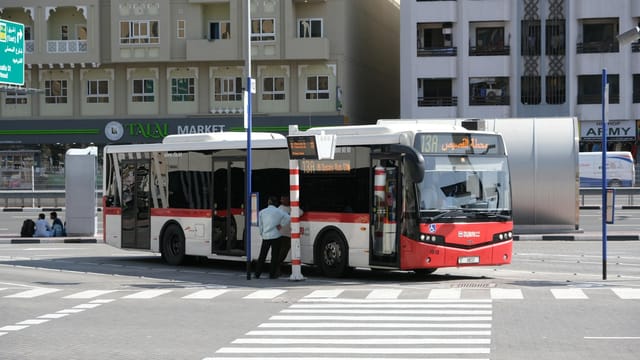
Relief in the Skies: Dubai–China Flights Resume and Stranded Passengers Begin Returning
After a brief suspension of flights caused by an escalation of hostilities in the Middle East, Emirates’ EK362 arrived in Guangzhou as the first direct Dubai–China service to land since Gulf hubs reopened. The resumption of flights has begun to relieve thousands of stranded passengers, highlighting both the human relief of repatriation and the wider operational and diplomatic challenges such disruptions create.

Grief and Accusation After School Strike in Iran Deepens Regional Rift
A missile strike on a girls’ primary school in Minab, Iran, killed at least 165 people, mostly children, and prompted mass funerals, international condemnation and calls for independent investigations. Tehran blames U.S. and Israeli forces, while Washington and Tel Aviv have denied or not acknowledged responsibility and said reviews are underway, deepening regional and diplomatic tensions.

Images of Destruction in Tehran’s Heart Raise Stakes for Regional Escalation
State media photographs show damaged buildings near Tehran’s Revolution Square after an aerial strike on March 4, underscoring a worrying escalation by bringing violence into Iran’s capital. The strike raises political, regional and economic stakes by increasing the risk of retaliatory measures and broader instability in the Middle East.
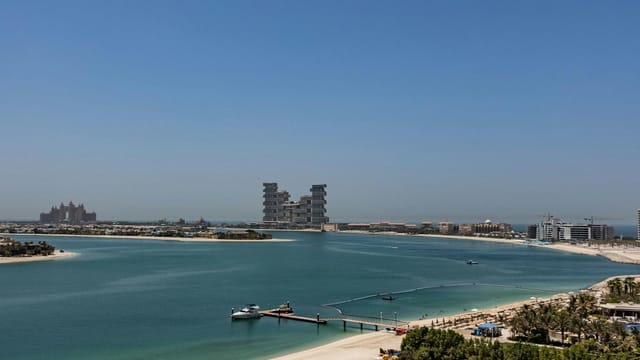
Stranded and Resilient: How Chinese Workers in the Middle East Are Weathering a Sudden Regional War
A sudden escalation of hostilities in late February exposed thousands of Chinese expatriates in the Middle East to direct risk, testing both their contingency plans and regional authorities’ crisis-management. While some evacuated via flights and overland routes, many stayed, citing stable supplies and government support; the incident highlights the need for more resilient business models and deepens the strategic significance of the Gulf as a tested hub for Chinese trade and investment.