
World News
Latest world news and updates
Total: 3372
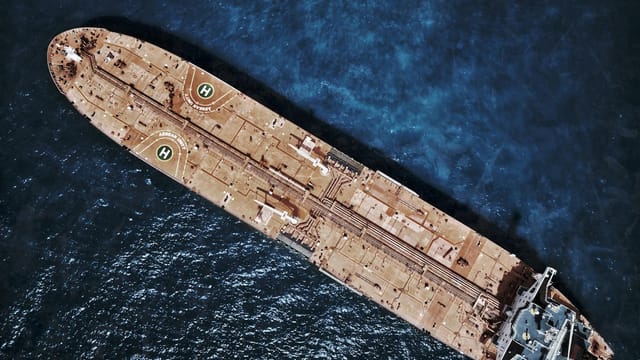
China’s Blue-Water Ambition: Decoding the Rumors of a 120,000-Ton Supercarrier
Rumors of a 120,000-ton Type 004 aircraft carrier highlight China's transition from regional sea control to a global blue-water force. While official confirmation is pending, the technical trajectory suggests a move toward nuclear-powered supercarriers designed to challenge long-standing naval hierarchies.

From Beijing to Brinkmanship: The Return of Trump’s High-Stakes Global Posture
Following a visit to China, the Trump administration has aggressively escalated its military rhetoric toward Iran while initiating broader operations in Africa and signaling potential intervention in Cuba. Supported by a massive new cruise missile procurement plan and coordination with allies like Israel and France, Washington appears to be moving toward a strategy of decisive global confrontation.

Redrawing the Rubicon: Netanyahu’s ‘Orange Line’ and the Creeping Annexation of Gaza
Prime Minister Benjamin Netanyahu has confirmed that Israeli forces now control 60% of Gaza, moving beyond previous ceasefire boundaries into a new 'Orange Line' of control. This territorial expansion, coupled with an assassination attempt on a top Hamas commander, reflects a high-stakes military and political strategy aimed at securing Netanyahu's domestic survival amid a rising opposition alliance.

Chokehold on the Hormuz: Iraq’s Oil Exports Collapse Amid Escalating Regional Conflict
Iraq's crude exports through the Strait of Hormuz have collapsed by nearly 90% due to the ongoing conflict involving the U.S., Israel, and Iran. Baghdad is now attempting a strategic pivot toward northern pipelines and increased OPEC cooperation to mitigate the economic impact.

Diplomacy on the Brink: The Paradox of the Lebanese-Israeli Ceasefire Extension
Lebanon, Israel, and the U.S. have extended their ceasefire by 45 days during talks in Washington, despite ongoing Israeli airstrikes in southern Lebanon that killed 12 people. The move highlights a widening gap between diplomatic efforts and the continued military escalation on the ground.
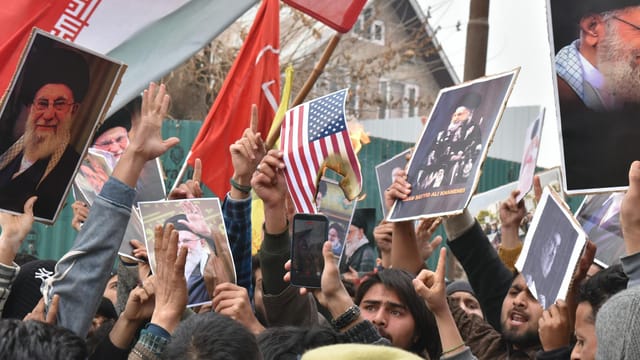
Gearing for a Gulf Storm: Massive US Military Mobilization Signals End of Diplomacy with Iran
Tensions in the Middle East have reached a breaking point as the US mobilizes a massive fleet of 30 warships and 500 aircraft following the collapse of negotiations with Iran. With thousands of precision missiles deployed and special forces on standby, the region faces the prospect of a significant military escalation aimed at neutralizing Tehran's nuclear and military infrastructure.

A Blow to the Core: The Elimination of Izz al-Din Haddad and the Precarious Future of Gaza
Hamas has confirmed the death of senior Al-Qassam Brigades commander Izz al-Din Haddad in a targeted Israeli airstrike in Gaza City. The high-profile assassination, authorized by Israel's top leadership, underscores a persistent military strategy aimed at decapitating the group's command structure.

Gaulle's Reach: France Bolsters Maritime Security in the Arabian Sea
The French aircraft carrier Charles de Gaulle has arrived in the Arabian Sea to support multinational escort missions in the Strait of Hormuz. The deployment aims to ensure freedom of navigation through a defensive posture that aligns with international law.

A Bitter Anniversary: Gaza Casualties Mount as Nakba Day Commemorations Meet Renewed Strikes
Recent strikes in the Gaza Strip have killed 13 people and injured 57 others over a 48-hour period coinciding with the 78th anniversary of the Nakba. The escalation highlights the continued volatility in the region and the significant humanitarian impact of the ongoing conflict.

Diplomacy Under Fire: Washington Brokers Extension as Strikes Ravage Southern Lebanon
Diplomatic talks in Washington have secured a 45-day ceasefire extension between Israel and Lebanon, though military strikes continue to claim lives in southern Lebanon. While future security dialogues are scheduled for late May at the Pentagon, the human toll has surpassed 2,900 deaths since March.
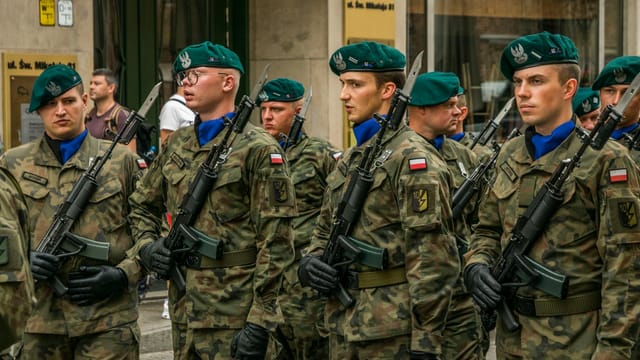
Transactional Security: The Sudden Retraction of U.S. Forces from Poland’s Frontline
The Pentagon has canceled the deployment of 4,000 troops to Poland and additional units to Germany, signaling a sharp pivot toward a transactional defense model. This move, directed by Secretary Pete Hegseth, serves as leverage to pressure European allies on defense spending and retaliate against those non-compliant with U.S. policy in the Middle East.
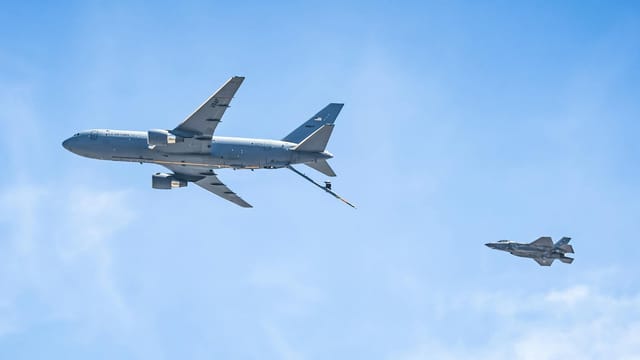
Running on Fumes: The Strategic Tanker Gap Exposed by the Iranian Campaign
The recent joint operation against Iran revealed a dangerous shortage of aerial refueling capabilities for both the U.S. and Israel. While the U.S. is accelerating the procurement of the technically flawed KC-46 tanker, Israel is modifying its F-35I fleet with external fuel tanks to increase range and reduce reliance on its aging tanker fleet.