
World News
Latest world news and updates
Total: 3372
The Arsenal That Won’t Die: Intelligence Reports Challenge Claims of Iran’s Military Attrition
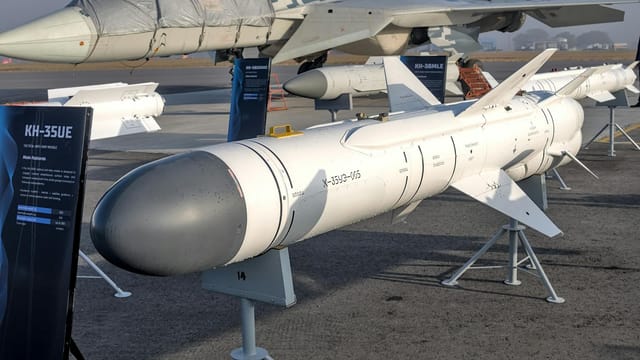
Contrary to political claims of total degradation, NATO and U.S. intelligence reports indicate that Iran retains 60% to 70% of its pre-war missile inventory. The resilience of Tehran's underground infrastructure has allowed for rapid repairs and continued assembly, ensuring a sustained threat to regional stability.

The Shadow of Drone Warfare: UAE’s Barakah Nuclear Plant Targeted in Alarming Escalation
The UAE's Barakah nuclear power plant was targeted by a drone attack on an external generator, though no radiation leaks or casualties were reported. The IAEA has called for immediate military restraint, highlighting the increasing risk to critical energy infrastructure in the Middle East.

The Longest Watch: What the USS Gerald R. Ford’s Marathon Deployment Signals About American Naval Overstretch
The USS Gerald R. Ford has returned to the United States after a record-breaking 326-day deployment, highlighting the strain on the U.S. Navy's global operations. While the mission demonstrated the capabilities of the Ford-class carrier, it also underscored the strategic risks associated with naval overstretch and the 'carrier gap' in global security.
The Resilient Arsenal: Why Intelligence Reports Contradict Claims of Iran’s Military Decline
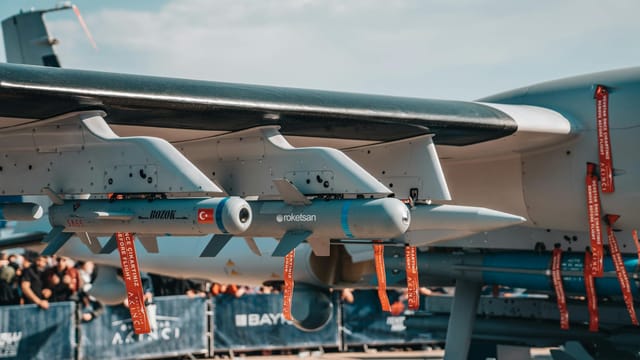
Intelligence reports from NATO and the U.S. indicate that Iran retains 60% to 70% of its pre-war missile inventory despite sustained military pressure. These findings contradict political claims of the arsenal's destruction, highlighting the effectiveness of Iran's underground storage and repair capabilities.

A War Without End: Gaza’s Cumulative Death Toll Crosses Grim New Milestone
Latest reports from Gaza indicate the total death toll since October 2023 has reached 72,763, with over 172,000 injured. Despite a slight decrease in daily casualties over the last 48 hours, the humanitarian situation remains dire as the conflict persists.
Tradition as a Catalyst: How the PLA’s ‘Qingzhou Company’ Bridges Revolutionary History and Mechanized Warfare
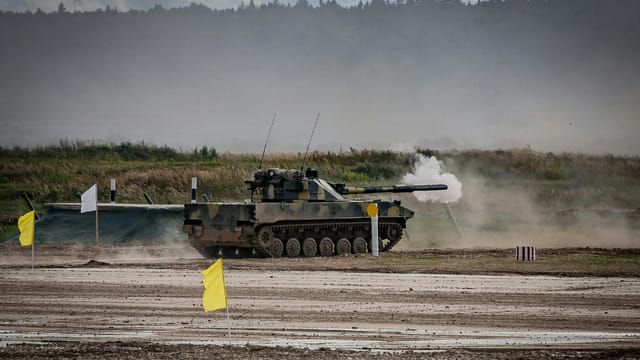
The PLA's 'Qingzhou Company' exemplifies China's military modernization by blending advanced mechanized warfare and drone technology with deep-seated revolutionary history. This narrative underscores how the Chinese military uses 'Red Heritage' to motivate soldiers through the difficult transition from traditional infantry to high-tech armored units.

Tehran Denounces Israeli Strike on Hamas Commander as ‘Breach of Faith’ in Precarious Truce
Iranian Parliament Speaker Mohammad Bagher Qalibaf has condemned the Israeli assassination of Hamas commander Izz al-Din Haddad as a violation of ceasefire commitments. The high-profile strike on the senior Qassam Brigades leader highlights the continued volatility of the conflict and the ongoing strategic rivalry between Tehran and Jerusalem.

Gaza’s Expanding 'Orange Line': Netanyahu’s Creeping Annexation and the Ghost of Al-Qassam
The assassination of Hamas's last high-ranking military commander, Izz al-Din al-Haddad, accompanies a significant expansion of Israeli territorial control in Gaza. Netanyahu’s introduction of the 'Orange Line' suggests a shift toward long-term occupation, likely driven by both military objectives and the need to bolster his domestic political standing against a resurgent opposition.

Fragile Peace: Israel’s Escalation in Lebanon Threatens a Stillborn Ceasefire
Despite a newly brokered 45-day ceasefire extension in Washington, Israel has launched massive airstrikes across southern Lebanon following the death of an IDF commander. The strikes have targeted over 20 villages, displacing thousands and highlighting the disconnect between diplomatic agreements and the escalating regional conflict.

Stolen Valor: The Rise and Fall of a Fake 'Special Forces King'
A man in Jiangxi province was arrested after a two-year scheme in which he impersonated an elite PLA soldier to defraud a businessman of 80,000 RMB. The suspect used counterfeit gear and fabricated combat stories to exploit the victim's admiration for the military.

Decapitating the Command: The Fall of Hamas Commander Izz al-Din Haddad
Hamas has confirmed the death of senior military leader Izz al-Din Haddad following an Israeli airstrike in Gaza City. This high-profile elimination underscores Israel's strategic focus on dismantling the Al-Qassam Brigades' leadership and significantly impacts Hamas's operational capabilities in northern Gaza.

On the Brink: Pentagon and Israel Coordinate for Imminent Strikes Against Iran
The Pentagon is reportedly finalizing plans for military action against Iran, with joint U.S.-Israeli strikes potentially commencing as early as next week. This escalation follows the exhaustion of diplomatic efforts and a shared strategic imperative to neutralize Tehran's nuclear progress and regional proxy threats.