
Technology & AIAnalysis
Alibaba Releases Qwen 3.8 Model and Consolidates Enterprise AI Agents
The 2.4-trillion parameter model powers QwenWork as Chinese tech firms reorganize AI teams to target enterprise productivity.
Share
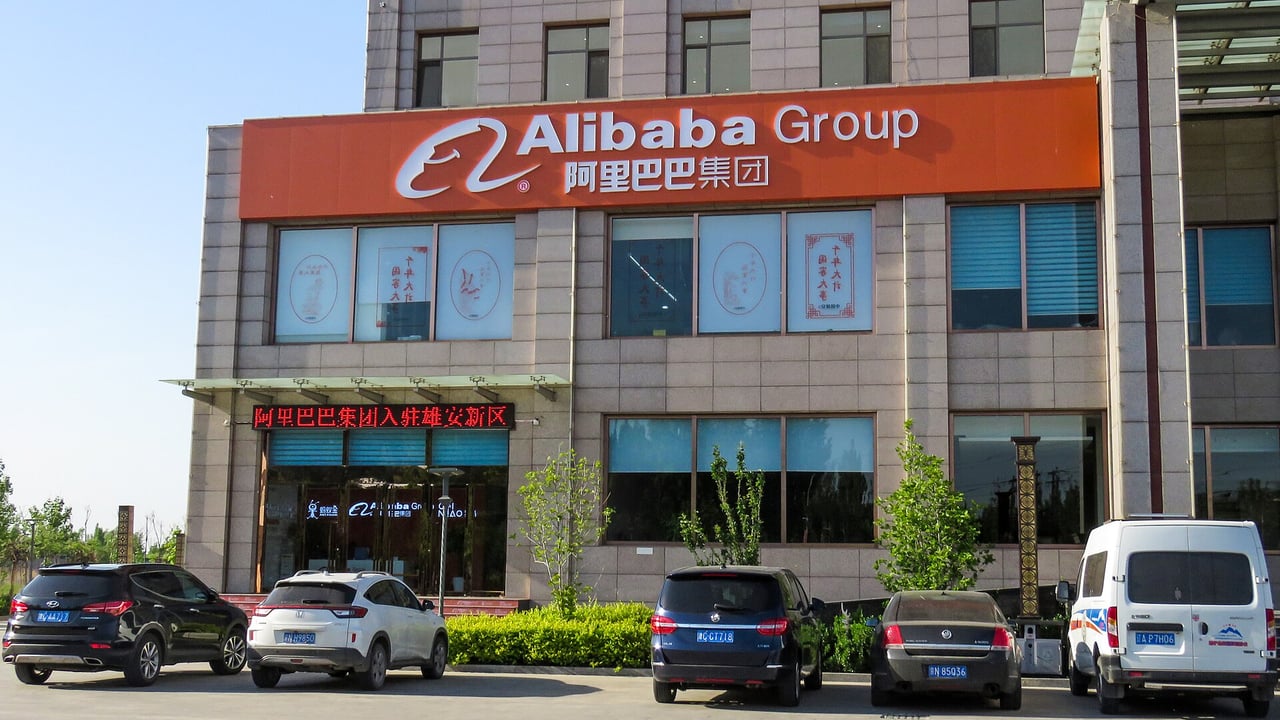
N509FZ via Wikimedia Commons, CC BY-SA 4.0
The Brief
On August 3, 2026, Alibaba officially launched its next-generation foundation model, Qwen 3.8, featuring 2.4 trillion parameters and enhanced capabilities in coding and professional office tasks. Simultaneously, Alibaba rolled out public testing for QwenWork, an enterprise agent platform created by consolidating three internal AI products—QoderWork, MuleRun, and Wukong—under the leadership of DingTalk CEO Chen Yusen. The dual release marks an escalation in competition among Chinese tech giants, including ByteDance and Tencent, as they restructure internal AI teams to capture enterprise productivity markets.
Why it matters
Alibaba's simultaneous deployment of a 2.4-trillion parameter model and a unified enterprise AI agent platform underlines the intense competition among Chinese tech giants to define the next generation of AI-driven office productivity suites.
China context
Chinese technology leaders are rapidly pivoting from standalone AI chat apps toward integrated enterprise productivity platforms. By uniting internal teams under DingTalk's leadership and tying foundation models directly to enterprise workflows, Alibaba aims to defend its enterprise market share against ByteDance's Doubao/Feishu and Tencent's cloud agent ecosystem.
Editor's View
EDITOR'S VIEW — Analysis and inference, not factual reporting.
The launch of Qwen 3.8 alongside QwenWork reflects a strategic realignment across China's technology sector. Rather than competing solely on raw model parameters or consumer-facing chatbots, tech majors are rushing to bridge the gap between foundation models and complex enterprise workflows. Alibaba's decision to place QwenWork under DingTalk leadership highlights how central enterprise communication platforms have become to monetizing generative AI in China.
What to watch
- The upcoming open-source releases of Qwen3.8-Max and Qwen3.8-27B.
- Enterprise adoption rates and user feedback during the public beta of QwenWork.
- Competitive updates and product consolidation moves from Tencent and ByteDance in the enterprise AI agent space.
Key Takeaways
- 1Alibaba unveiled Qwen 3.8, a 2.4-trillion parameter model with upgraded coding and office collaboration features.
- 2Qwen 3.8 ranked second only to Anthropic's Claude series on the Arena third-party benchmark.
- 3Alibaba consolidated QoderWork, MuleRun, and Wukong into 'QwenWork', an enterprise agent platform now in public beta.
- 4QwenWork is overseen by DingTalk CEO Chen Yusen and supports desktop, cloud, and enterprise collaboration agents.
- 5Competitors Tencent and ByteDance have similarly reorganized internal AI and enterprise software teams to target productivity workflows.
Alibaba officially launched its next-generation foundation model, Qwen 3.8, on August 3, 2026, introducing a 2.4-trillion parameter architecture designed to enhance coding performance and enterprise collaboration workflows, according to Securities Times. On the third-party Arena benchmark, the Qwen model series ranked just behind Anthropic's Claude models, placing Alibaba among the top tier of global AI developers. Access to the Qwen 3.8 API was made available to global developers immediately on the Qianwen AI platform, with open-source releases of Qwen3.8-Max and Qwen3.8-27B scheduled for the following week.
Alongside the model launch, Alibaba announced the public beta of QwenWork (Qianwen Bangong), a consolidated enterprise AI agent platform overseen by DingTalk Chief Executive Officer Chen Yusen, reported Daily Economic News. QwenWork combines three previously separate internal products—QoderWork, MuleRun, and Wukong—into a unified service. Alibaba described QwenWork as the industry's first platform to simultaneously support desktop, cloud, and enterprise collaboration agents.
Internal sources cited by Daily Economic News indicated that while individual consumer-facing AI tools have proliferated across personal office tasks, organizational productivity within enterprise setups retains substantial room for growth. Alibaba began merging several internal agent development teams in June 2026 to focus its technical and operational resources on enterprise-grade agents.
The consolidation reflects a broader trend among major Chinese technology companies restructuring their AI and cloud divisions to capture enterprise workflow markets. In late July 2026, ByteDance merged its Feishu product team into the Doubao product team while combining Feishu's go-to-market team with Volcano Engine to handle Model-as-a-Service and Software-as-a-Service offerings. Around the same time, Tencent integrated its QClaw product center into Cloud Product Division Six, which houses its WorkBuddy tool.
With API availability live and open-source models slated for release, Alibaba's dual rollout of Qwen 3.8 and QwenWork signals an intensifying battle for dominance in China's AI-enabled enterprise software ecosystem.
Sources
- Stcn — Securities Times · 8/3/2026
- 阿里旗下三大Agent产品全面整合,“千问办公”开启公测 AI办公智能体入口之争打响 — National Business Daily · 8/3/2026