
Policy & RegulationAnalysis
China Reaffirms Push for Advanced Manufacturing With Key Industrial Milestones
State media highlights transport, aerospace, and cruise ship breakthroughs as Beijing doubles down on industrial upgrades.
Share
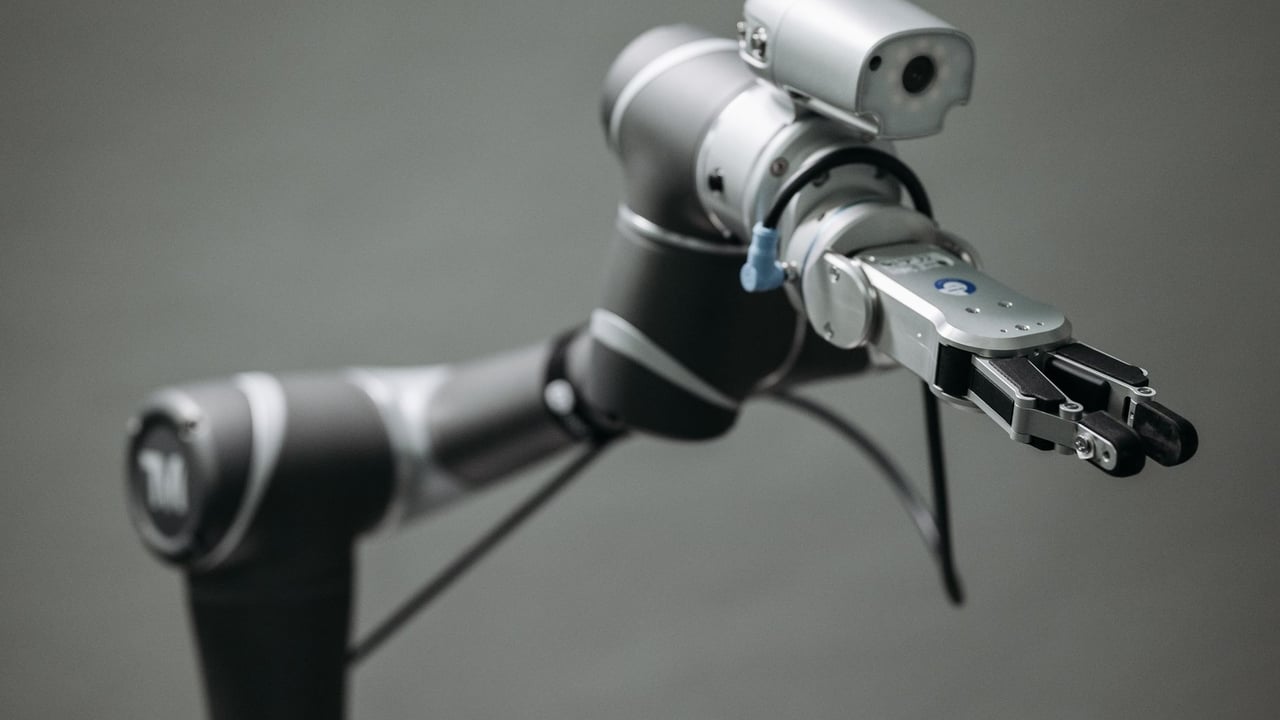
Photo by Pavel Danilyuk on Pexels
The Brief
Chinese state media highlighted major advances in the country's advanced manufacturing sector, underscoring leadership directives to consolidate real-economy foundations and upgrade industrial supply chains. Recent technical milestones cited include the completion of full-train testing for the CR450 high-speed train, the land recovery of the Zhuque-3 Yao-2 carrier rocket, and the scheduled November delivery of China's second domestically built large cruise ship, the Adora Flora City. Official figures noted China's manufacturing value-added continues to account for nearly 30 percent of the global total, supported by 179 national high-tech zones generating over 20 trillion yuan in output.
Why it matters
As China enters its 15th Five-Year Plan cycle amid persistent geopolitical friction and external technology restrictions, high-end manufacturing is central to both macroeconomic resilience and technological self-reliance. Upgrading industrial clusters and mastering foundational manufacturing capabilities are viewed by Beijing as indispensable for shielding domestic supply chains from external shocks.
China context
Policymakers in Beijing consistently frame the real economy and advanced manufacturing as the material foundation of Chinese modernization. While state communications emphasize large-scale volume and landmark high-tech engineering feats, industrial planners also recognize persistent vulnerabilities in core foundational technologies and component supply chains, prompting sustained state guidance toward quality and cluster-based competitiveness.
Editor's View
EDITOR'S VIEW — Analysis and inference, not factual reporting.
The heavy promotion of transport and aerospace achievements illustrates Beijing's playbook of leveraging state coordination and massive domestic market scale to validate complex engineering projects. However, the true test for China's industrial policy will lie beyond headline megaprojects: sustaining productivity gains across small- and medium-sized suppliers, improving indigenous toolmaking and materials science, and integrating advanced manufacturing with green technologies amid cooling domestic capital expenditure.
What to watch
- The formal delivery and commercial maiden voyage of the Adora Flora City cruise ship scheduled for November.
- Policy guidelines from the National Development and Reform Commission and Ministry of Industry and Information Technology outlining 15th Five-Year Plan manufacturing targets.
- Progress on commercialization and route deployment for the next-generation CR450 high-speed rail trainsets.
Key Takeaways
- 1State media highlighted recent engineering milestones, including full-train tests of the CR450 high-speed train and recovery tests for the Zhuque-3 Yao-2 rocket.
- 2China's second domestic large cruise ship, the Adora Flora City, is slated for delivery and commercial operation in November.
- 3China's manufacturing value-added accounts for nearly 30 percent of the global total, leading the world for 16 consecutive years.
- 4Gross output from 179 national high-tech industrial zones has surpassed 20 trillion yuan, alongside 80 designated national advanced manufacturing clusters.
Chinese state media published a comprehensive review emphasizing the country's strategic acceleration toward becoming an advanced manufacturing power, highlighting high-profile technological milestones and macroeconomic indicators as evidence of structural upgrading.
According to reports published by Xinhua, Chinese leadership continues to position high-quality manufacturing as the backbone of a modernized industrial system. The coverage highlighted several recent engineering achievements across the transport and aerospace sectors. Among them, testing on the next-generation CR450 high-speed electric multiple unit (EMU) has been completed at the whole-train level. In commercial aerospace, the Zhuque-3 Yao-2 carrier rocket achieved a land recovery milestone, while maritime shipbuilders are preparing to deliver the country's second domestic large cruise ship, named the Adora Flora City, which is scheduled to enter service in November.
Official data cited in the state media coverage indicated that China's manufacturing value-added has maintained the top global ranking for 16 consecutive years, representing nearly 30 percent of the worldwide total. The reports also noted that economic output across China's 179 national high-tech industrial development zones has surpassed 20 trillion yuan, underpinned by the ongoing development of 80 national-level advanced manufacturing clusters designed to enhance global competitiveness.
The emphasis on high-end manufacturing coincides with strategic preparations for the upcoming 15th Five-Year Plan period. Faced with an intricate international environment and external trade and technology pressures, central authorities have reiterated that industrial policy must remain grounded in the real economy. The official strategy seeks to shift industrial capacity from low-margin volume toward high-value, resilient supply chains capable of resisting external disruption.
While state accounts emphasize rapid progress across flagship aerospace and rail programs, industry analysts note that broader industrial modernization will depend heavily on addressing vulnerabilities in critical components, advanced materials, and industrial software that continue to rely on overseas suppliers.
Sources
- “扎实推进先进制造业高质量发展”——习近平总书记引领我国加快向制造强国迈进 — State Council of China · 9/15/2026
- 新华全媒头条 | “扎实推进先进制造业高质量发展”——习近平总书记引领我国加快向制造强国迈进 — China Military Online · 9/15/2026