
Policy & RegulationAnalysis
China Marks 100 Days of Zero-Tariff Policy Expanding African Trade
State media highlights early progress in preferential tariff treatment designed to boost agricultural imports and economic ties with African partners.
Share
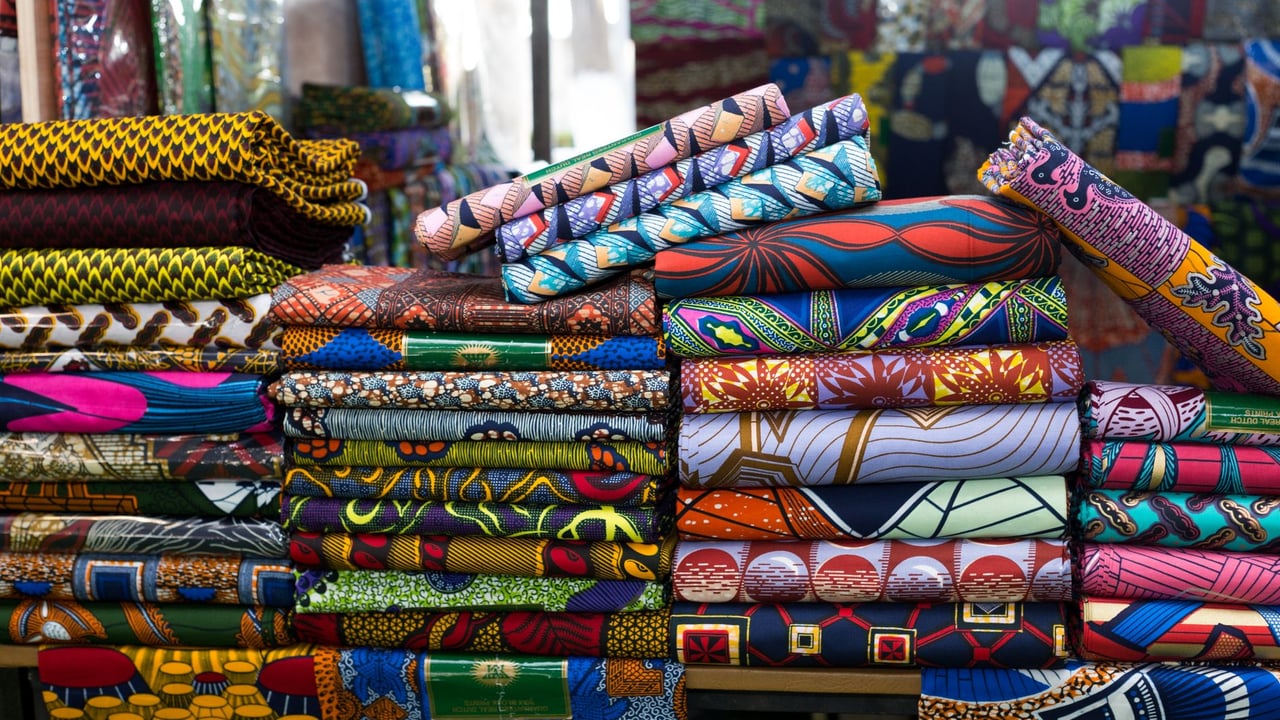
Photo by Iwaria on Pexels
The Brief
Chinese state media reported on the first 100 days of expanded zero-tariff measures aimed at African imports, signaling Beijing's continued push to deepen bilateral economic cooperation. The initiative focuses on lowering market access barriers for African products, particularly agricultural goods, while encouraging broader supply chain integration. The milestone reflects China's broader strategy to diversify import sources and strengthen economic partnerships across the African continent.
Why it matters
Deepening zero-tariff treatment for African economies lowers entry barriers for agricultural products into China's vast consumer market. It also supports local employment and industrial capacity in partner nations by linking African producers directly with Chinese supply chains.
China context
Beijing has consistently leveraged tariff reductions and practical trade facilitation measures to diversify its agricultural import channels and consolidate its comprehensive strategic partnerships across Africa.
Editor's View
EDITOR'S VIEW — Analysis and inference, not factual reporting.
Preferential tariff regimes represent a core pillar of China's economic diplomacy in the Global South. While zero-tariff access offers clear incentives for African agricultural exporters, long-term impact will depend heavily on resolving sanitary and phytosanitary bottlenecks, upgrading trade infrastructure, and establishing reliable logistics corridors between African producers and Chinese distribution networks.
What to watch
- Official bilateral trade data from China's General Administration of Customs detailing zero-tariff trade volumes.
- Progress on bilateral phytosanitary and quarantine protocols enabling new African agricultural exports to enter China.
Key Takeaways
- 1Chinese state media highlighted the 100-day milestone of zero-tariff measures implemented for African imports.
- 2The policy aims to reduce import costs, support African agricultural exports, and strengthen bilateral trade ties.
- 3Beijing views preferential tariff frameworks as a key instrument to diversify import sources and reinforce South-South cooperation.
Chinese state media reported on the 100-day milestone of expanded zero-tariff policies covering imports from African partner nations, framing the initiative as a catalyst for new momentum in bilateral economic and trade cooperation.
The preferential tariff measures are part of Beijing's broader commitments to facilitate trade and expand market access for African goods, especially agricultural commodities and specialty food products. By removing import duties, the policy seeks to lower transaction costs for African exporters, helping diverse agricultural products reach Chinese consumers while supporting export-led growth in participating African countries.
Beyond direct duty reductions, the trade framework is structured to encourage supply chain collaboration and value-added processing within Africa. Chinese policymakers and trade bodies have increasingly focused on pairing tariff concessions with agricultural technology sharing, cold-chain logistics investment, and technical training to help African suppliers meet Chinese regulatory and phytosanitary standards.
The 100-day marker highlights China's strategic interest in diversifying its global sourcing of agricultural goods while reinforcing long-standing diplomatic and commercial partnerships. As global trade dynamics face shifting geopolitical pressures, Beijing continues to position non-tariff and preferential tariff agreements with developing nations as essential mechanisms for fostering resilient South-South economic integration.
Market observers will be watching upcoming customs data to evaluate the concrete trade volumes facilitated under the zero-tariff framework and track which African product categories experience the fastest market expansion in China.
Sources
- “零关税”百日见证中非合作新气象 — China News Service · 8/8/2026