
Technology & AIAnalysis
China Reports Breakthrough in Domestic AI Chip Architecture Innovation
Southern Fund manager Zheng Xiaoxi highlights growth in semiconductor equipment as domestic designs like the DF1000 emerge.
Share
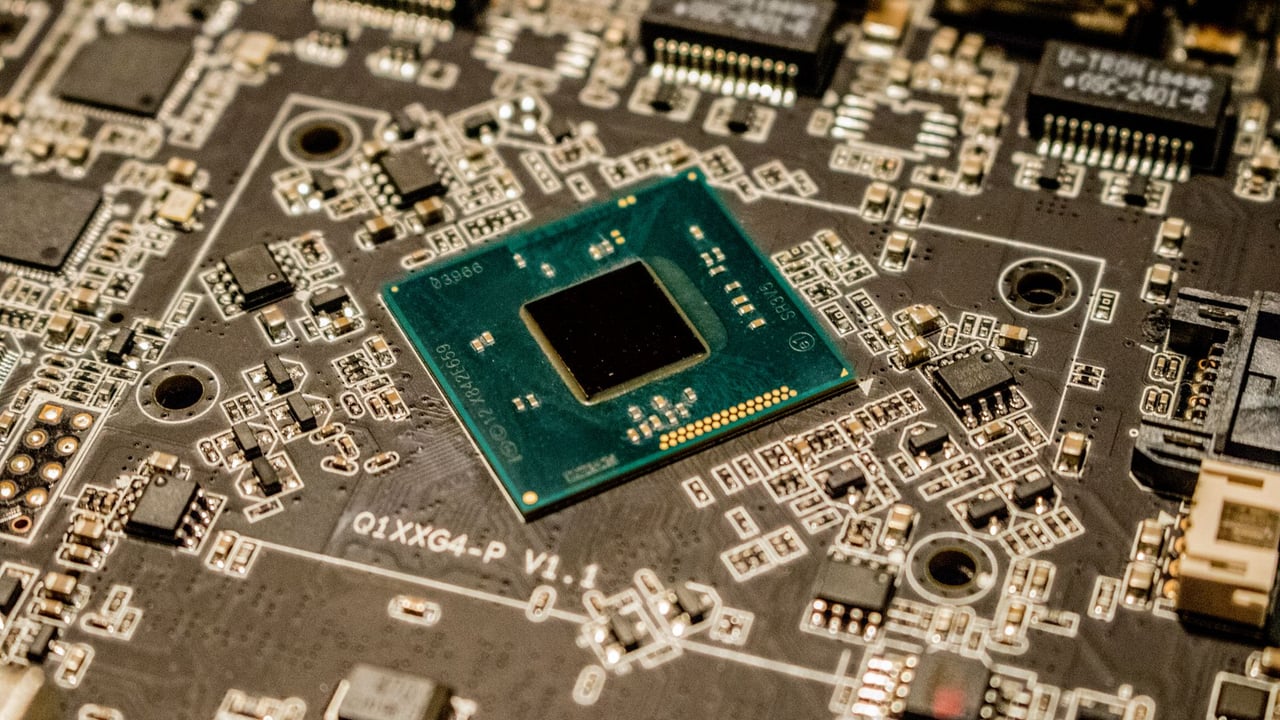
Photo by Jeremy Waterhouse on Pexels
The Brief
Recent developments in China's semiconductor sector indicate a shift toward fundamental architectural innovation in AI computing chips. Zheng Xiaoxi, a fund manager at Southern Fund, has identified this as a core growth driver, specifically pointing to the 'Dianfeng DF1000' as a milestone in domestic design. This transition supports a broader ecosystem including major equipment manufacturers like NAURA and AMEC, as the industry moves toward greater technological autonomy and aligns with national strategies for a self-reliant computing power network.
Why it matters
The breakthrough in domestic computing power architecture like the DF1000 signifies a shift from mere manufacturing to fundamental design innovation in China's AI chip industry, which is critical for long-term technological autonomy.
China context
This development aligns with China's national strategy to build a self-reliant 'computing power network' and supports the growth of domestic semiconductor equipment giants like NAURA and AMEC.
Editor's View
EDITOR'S VIEW — Analysis and inference, not factual reporting.
While architectural breakthroughs are significant, the gap between design and mass-market performance parity with global leaders remains a hurdle. The focus on equipment manufacturers suggests a 'picks and shovels' investment strategy during this transition, where the infrastructure for domestic production is prioritized over immediate consumer-grade chip competition.
What to watch
- Official performance benchmarks of the Dianfeng DF1000 compared to international peers.
- Potential adoption of this architecture by domestic cloud service providers.
- Quarterly reports from Southern Fund to see changes in holdings for Piotech, NAURA, and AMEC.
Key Takeaways
- 1China's AI chip industry is shifting focus from manufacturing to fundamental architectural innovation.
- 2The Dianfeng DF1000 is identified as a key breakthrough in domestic computing power design.
- 3Southern Fund's Zheng Xiaoxi identifies semiconductor equipment manufacturers as primary growth beneficiaries.
- 4Major domestic firms like NAURA, AMEC, and Piotech are central to this localized supply chain strategy.
China’s semiconductor industry is reportedly moving beyond manufacturing capabilities toward fundamental design innovation in artificial intelligence (AI) computing power. According to recent industry analysis and reports from Southern Fund, domestic chip architecture has reached a new milestone with the development of the Dianfeng DF1000.
Zheng Xiaoxi, a fund manager at Southern Fund, has highlighted this shift as a primary growth driver for the domestic technology sector. Zheng’s strategy focuses on the 'growth main line' of the industry, which increasingly relies on domestic architectural breakthroughs to ensure long-term technological autonomy. This development is seen as a critical step in China's national strategy to establish a self-reliant 'computing power network' capable of supporting large-scale AI applications without total dependence on foreign intellectual property.
The focus on architectural innovation is also driving demand for domestic semiconductor equipment. Zheng specifically pointed to industry leaders such as NAURA Technology Group (NAURA), Advanced Micro-Fabrication Equipment Inc. (AMEC), and Piotech as key beneficiaries of this trend. These companies provide the essential tools required to realize advanced chip designs, forming a localized supply chain that spans from fundamental architecture to physical production.
While the announcement of the DF1000 architecture marks a significant technical achievement, the industry remains in a transitional phase. Analysts suggest that the long-term success of such innovations will depend on their integration into the ecosystems of domestic cloud service providers and their performance relative to international benchmarks. For now, the focus of institutional investors like Southern Fund remains on the upstream equipment providers that underpin these architectural advancements.
Sources
- 国产算力芯片架构创新实现突破,南方基金郑晓曦聚焦产业成长主线 — NetEase · 7/14/2026