
Business & IndustryAnalysis
China's Coal Power Share Drops Below 50% for First Time in First Half of Year
Renewable generation surpassed 40% of total electricity production in the first six months, marking a structural milestone in China's energy shift.
Share
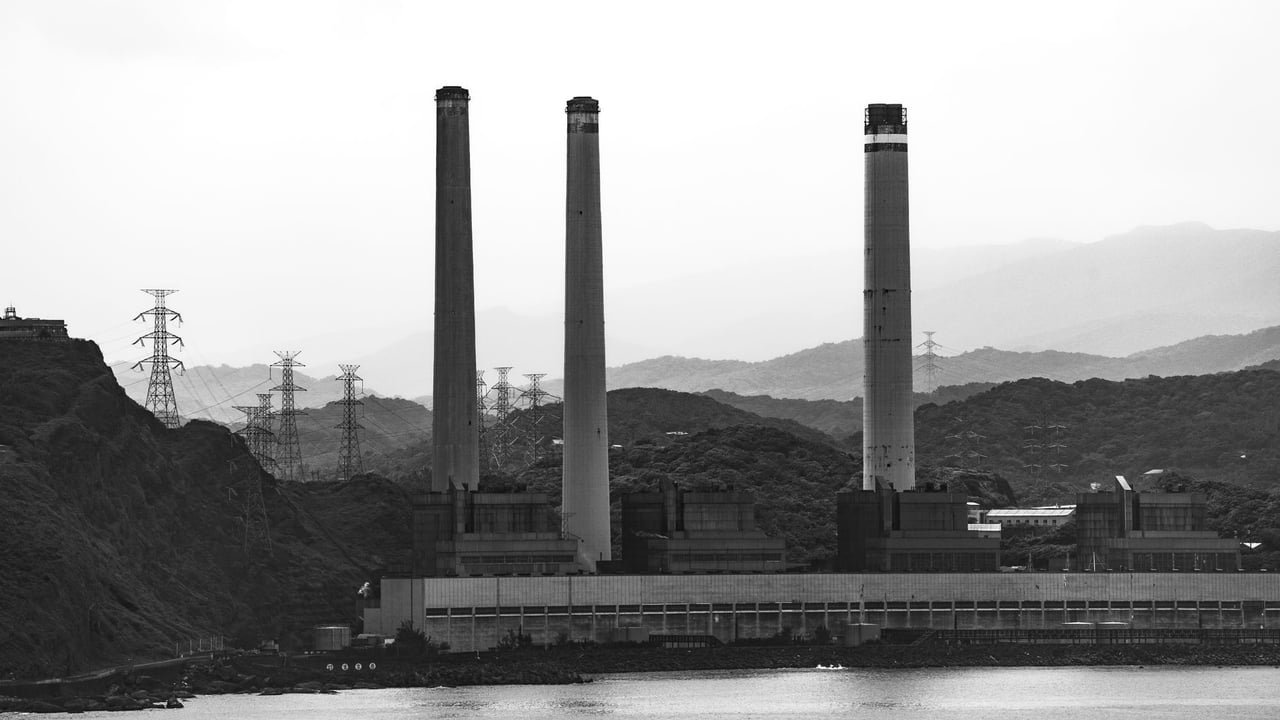
Photo by Marek Piwnicki on Pexels
The Brief
Coal-fired electricity generation accounted for 49.7% of China's total power output in the first half of the year, falling below the 50% mark for a six-month period for the first time, according to data from the National Energy Administration reported by Xinhua. During the same period, renewable energy generation expanded to 41.2% of total output, generating nearly 2 trillion kilowatt-hours and covering almost 40% of total national electricity demand.
Why it matters
The drop in coal power's share below 50% and renewables' rise past 40% demonstrate a structural shift in China's energy supply. As the world's largest electricity producer and carbon emitter, China's accelerating integration of clean power signals that its green transition is moving from incremental capacity additions to reshaping the core generation mix.
China context
As China builds out a new power system dominated by non-fossil energy, the operational role of coal power is shifting from traditional base-load generation to supporting and peak-shaving capacity. This transition requires significant grid modernization, energy storage development, and market reforms to absorb high proportions of variable wind and solar power.
Editor's View
EDITOR'S VIEW — Analysis and inference, not factual reporting.
The decline of coal power below the half-way threshold during a six-month period represents a major qualitative change in China's power balance. However, the ultimate pace of decarbonization will depend on how effectively grid operators manage weather-induced supply volatility, seasonal demand spikes, and the economics of keeping coal plants available for peak-shaving rather than continuous baseline operation.
What to watch
- Full-year trends in coal versus renewable power generation shares as seasonal electricity demand changes in the second half of the year.
- Grid flexibility, energy storage deployment, and cross-regional transmission capacity to prevent curtailment of renewable energy.
- Policy mechanisms and market compensation structures for coal power plants operating as peak-shaving backup.
Key Takeaways
- 1Coal-fired power generation fell to 49.7% of total output in the first half of the year, reaching 2.5 trillion kWh.
- 2Renewable energy generation rose to 41.2% of total output, reaching nearly 2 trillion kWh.
- 3Renewable output met nearly 40% of total national electricity demand in the first six months.
- 4The data highlights coal's ongoing transformation from primary base-load power to flexible grid support.
China’s coal-fired power generation accounted for less than half of the national total during the first six months of the year, marking a structural milestone in the country’s ongoing energy transition, according to data released by the National Energy Administration (NEA) at a press conference reported by state news agency Xinhua.
In the first half of the year, coal-fired electricity generation reached 2.5 trillion kilowatt-hours, representing 49.7% of total national output. This is the first time that coal power’s share of electricity generation has dropped below 50% over a six-month period, reflecting a gradual reallocation within the power supply architecture of the world’s largest energy consumer.
Concurrently, power generated from renewable energy sources crossed the 40% threshold for a half-year period for the first time. Total renewable power output reached nearly 2 trillion kilowatt-hours during the same six-month window, accounting for 41.2% of China’s overall electricity generation. According to the NEA, this level of renewable production was sufficient to satisfy nearly 40% of total national electricity demand during the period.
The figures underscore a major shift in China's electricity matrix as large-scale wind and solar capacity installations alter the supply composition. As non-fossil energy sources expand their role in meeting baseline power requirements, thermal generation—particularly coal-fired plants—is increasingly expected to transition from primary base-load suppliers toward supporting and flexible peak-shaving resources.
Maintaining power grid stability and ensuring efficient energy consumption remain critical operational requirements as the share of intermittent renewables continues to rise. Grid operators face growing demands for energy storage integration, cross-regional dispatch capability, and peak-load management, especially during periods of extreme weather or seasonal power consumption spikes.
Sources
- 今年上半年我国煤电发电量占比首次低于50%--经济·科技--人民网 — People's Daily · 7/30/2026