
Defense & StrategyAnalysis
China Coast Guard Patrols Territorial Waters Around Huangyan Island
State media reports routine law enforcement operations in contested South China Sea waters near Scarborough Shoal.
Share
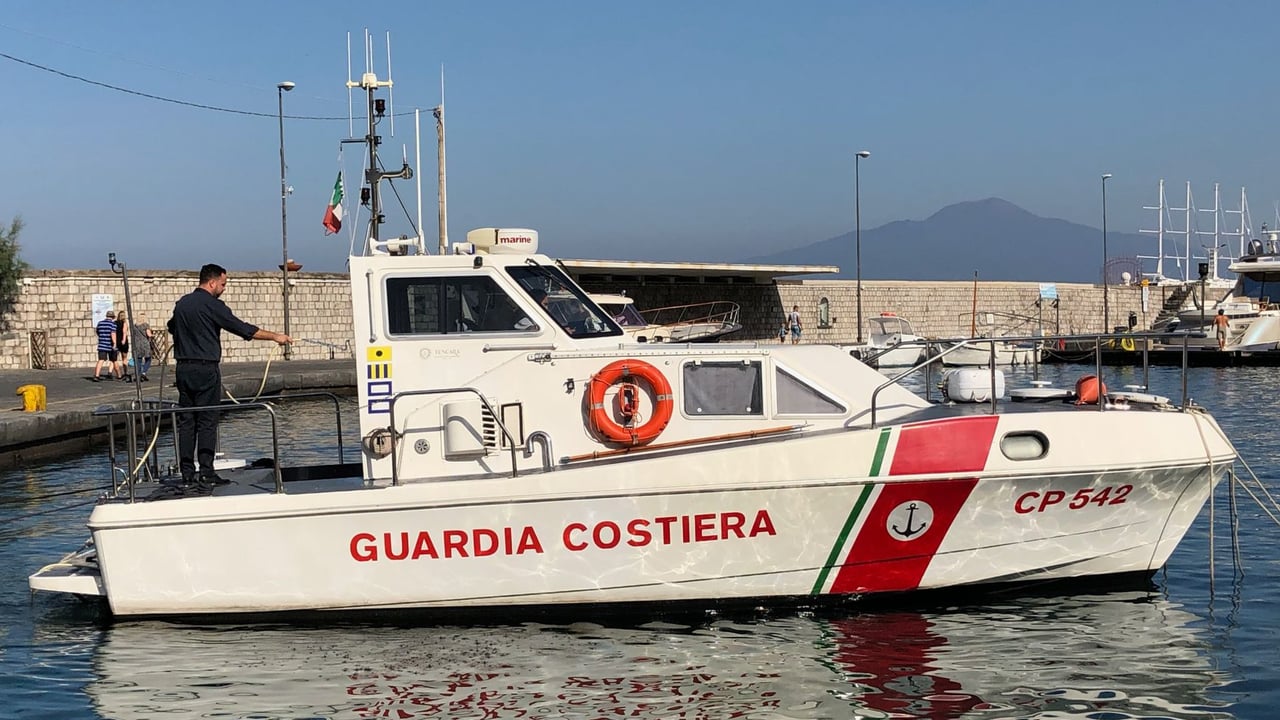
Photo by Brett Bennett on Pexels
The Brief
On July 30, 2026, the China Coast Guard conducted law enforcement patrols in the territorial sea and adjacent waters surrounding Huangyan Island, according to reports from state-run outlet China News Service. The maritime operation reflects Beijing's ongoing emphasis on maintaining active administrative presence and law enforcement control over contested maritime features in the South China Sea, where overlapping territorial claims continue to shape regional security dynamics.
Why it matters
The ongoing patrol and enforcement measures around Huangyan Island underscore China's active sovereignty management in the South China Sea, emphasizing the risk of operational standoffs with foreign vessels in contested maritime zones.
China context
China regards Huangyan Island as an inherent part of its territory, portraying Coast Guard actions as standard, lawful law enforcement patrols aimed at safeguarding national territorial integrity and maritime rights.
Editor's View
EDITOR'S VIEW — Analysis and inference, not factual reporting.
Beijing's regularized law enforcement patrols around Scarborough Shoal signal a deliberate strategy to solidify physical administrative control over disputed maritime features. By framing these naval and coast guard activities strictly as routine domestic policing, Chinese authorities aim to normalize their maritime jurisdiction despite regional friction and international legal disputes.
What to watch
- Official reactions or countermeasures from claimant states, particularly the Philippines.
- Future operational updates or potential physical standoffs in the territorial waters surrounding Huangyan Island.
- Heightened diplomatic activity or security consultations among regional allies in response to maritime enforcement actions.
Key Takeaways
- 1China Coast Guard carried out law enforcement patrols in the territorial waters and surrounding area of Huangyan Island on July 30, 2026.
- 2The operations were reported by China News Service as part of Beijing's ongoing maritime administration.
- 3Specific operational details, such as fleet size, mission duration, or encounter specifics, were not disclosed in state media reports.
On July 30, 2026, the China Coast Guard executed law enforcement patrols within the territorial waters and surrounding sea areas of Huangyan Island, according to announcements reported by the Chinese state-run news outlet China News Service. The reported maritime activity highlights Beijing's sustained operational footprint around the disputed feature, which is internationally recognized as Scarborough Shoal.
The official reports released by China News Service provided concise confirmation of the patrol without disclosing detailed operational parameters, such as the specific number or class of coast guard vessels deployed, the precise duration of the mission, or whether interactions took place with foreign vessels operating in the vicinity.
From Beijing's perspective, Huangyan Island is considered an inherent part of Chinese territory. Consequently, Chinese authorities frame coast guard operations in the area as routine, lawful law enforcement patrols aimed at exercising sovereign jurisdiction, defending national maritime rights and interests, and preserving maritime order in the surrounding waters.
Scarborough Shoal remains one of the most sensitive geographic features in the South China Sea due to its proximity to major shipping lanes and abundant marine resources. Situated roughly 120 nautical miles off the coast of Luzon in the Philippines, the feature has been a focal point of diplomatic disagreement and operational standoffs between Chinese maritime forces and foreign vessels.
The formal reporting of coast guard enforcement patrols serves a dual function for Beijing: it reinforces the official narrative of regularized domestic administration over the feature while signalling persistent operational readiness. As maritime dynamics in the South China Sea remain closely monitored by neighboring states and international observers, Beijing's public documentation of its patrols underscores its commitment to maintaining physical presence in contested maritime zones.
Law enforcement actions by the China Coast Guard in peripheral waters have increasingly taken center stage in regional security discussions. By utilizing coast guard platforms rather than naval warships for routine law enforcement, Beijing emphasizes a civil-maritime policing framework, even as surrounding claimant nations closely scrutinize the strategic implications of such law enforcement activities.
Sources
- 中国海警位中国黄岩岛领海及周边区域执法巡查 — China News Service · 7/30/2026
- 中国海警位中国黄岩岛领海及周边区域执法巡查 — China News Service · 7/30/2026