
Policy & RegulationAnalysis
China Disciplined Over 34,000 Officials in July for Eight-Point Breaches
Monthly anti-graft data highlights ongoing scrutiny of administrative inaction and persistent lavish spending across official ranks.
Share
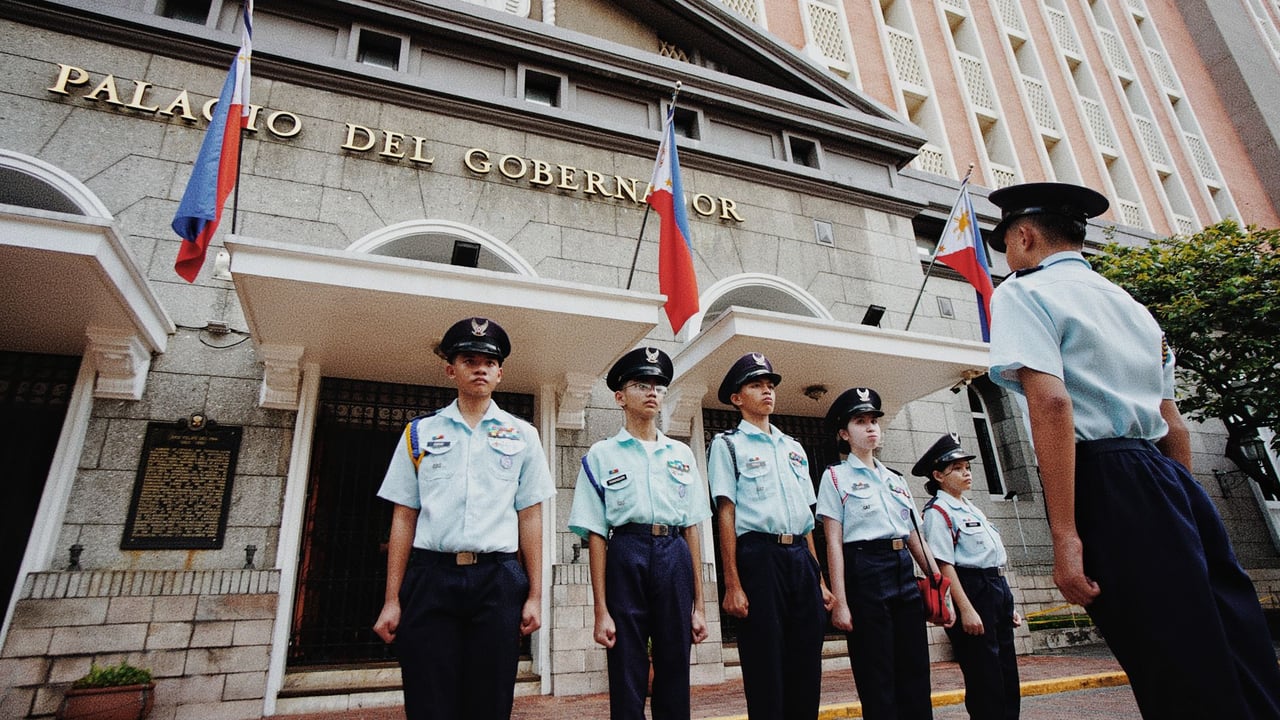
Photo by Mico Medel on Pexels
The Brief
China's top anti-corruption authorities investigated 27,995 cases of violations of the Central Eight-Point Decision on conduct in July, according to monthly data released by the Central Commission for Discipline Inspection and the National Supervisory Commission. A total of 34,683 officials—including two at the provincial or ministerial level and 100 at the prefecture or bureau level—were criticized, educated, or penalized, with 23,422 receiving formal Party disciplinary or administrative penalties. Cases involving bureaucratic inertia and improper gift-giving formed the bulk of the enforcement actions.
Why it matters
The monthly data demonstrates that disciplinary inspectors maintain sustained pressure on governance failures that impair economic development, while continuing to root out persistent forms of official indulgence such as illicit dining and gift-giving.
China context
Since the introduction of the Central Eight-Point Decision in 2012, anti-graft watchdogs have expanded their focus from curbing overt displays of extravagance to tackling passive resistance, bureaucratic formalism, and negligence. Enforcement has increasingly targeted officials whose inaction or arbitrary decision-making undermines state priorities, particularly high-quality economic growth and environmental protection.
Editor's View
EDITOR'S VIEW — Analysis and inference, not factual reporting.
The July figures reveal that disciplinary authorities are focusing heavily on operational governance rather than merely overt corruption. With over 12,000 cases tied directly to failures in supporting economic and environmental objectives, Beijing is signaling that administrative paralysis and performative compliance will face the same disciplinary consequences as financial malfeasance.
What to watch
- Whether anti-graft agencies release detailed case studies regarding the two disciplined provincial-level officials.
- Subsequent regional crackdowns focusing on covert banqueting and gifts disguised through local specialty products.
Key Takeaways
- 1Authorities investigated 27,995 violations of the eight-point frugality rules in July, penalizing or reprimanding 34,683 officials.
- 2A total of 23,422 officials received formal Party disciplinary or administrative penalties, including two provincial-level cadres.
- 3Inaction and arbitrary decision-making affecting economic and environmental governance accounted for 12,553 investigated cases.
- 4Illicit gifts and gift money remained the largest driver of extravagance-related violations, with 8,138 cases reported.
China's top discipline inspection bodies investigated 27,995 cases of violations concerning the Central Eight-Point Decision on official conduct during July, according to monthly data released on August 27 by the Central Commission for Discipline Inspection (CCDI) and the National Supervisory Commission (NSC) and reported by Xinhua.
Across the nationwide sweep, 34,683 officials faced criticism, education, or administrative handling, with 23,422 receiving formal Party disciplinary or administrative penalties. The penalized cadre included two officials at the provincial and ministerial level, as well as 100 officials holding prefecture- or departmental-level ranks, underscoring supervisory scrutiny reaching into higher administrative tiers.
A breakdown of the enforcement data reveals that infractions categorized under formalism and bureaucracy accounted for 15,179 cases and involved 19,400 officials. The largest single concentration of infractions fell under the failure to perform assigned duties, inadequate support for economic and social development, and neglect of ecological environmental protection. Authorities cited 12,553 cases involving officials who demonstrated a lack of responsibility, slacking, arbitrary enforcement, or fraudulent compliance that severely impeded high-quality development, leading to actions against 16,111 cadres.
Simultaneously, disciplinary inspectors pursued 12,816 cases involving hedonism and extravagance, resulting in the criticism, education, or penalization of 15,283 individuals. Among these violations, the illicit acceptance or delivery of expensive local specialties, high-end gifts, and cash remained the most pervasive infraction, totaling 8,138 cases.
Disciplinary organs also investigated 2,257 cases of illicit banqueting and dining, alongside 1,379 cases involving the unauthorized disbursement of subsidies, allowances, or welfare benefits. The monthly report underscores Beijing's continuous campaign to eliminate entrenched practices of bureaucratic inertia alongside persistent covert forms of official indulgence.
Sources
- 7月全国查处违反中央八项规定精神问题27995起--时政--人民网 — People's Daily · 8/27/2026