
Policy & RegulationAnalysis
China Expands Departure Tax Refund System to Boost Inbound Tourist Spending
A streamlined 'Version 2.0' policy introduces inter-provincial recognition and paperless processing as the tax-free retail network reaches 14,000 stores.
Share
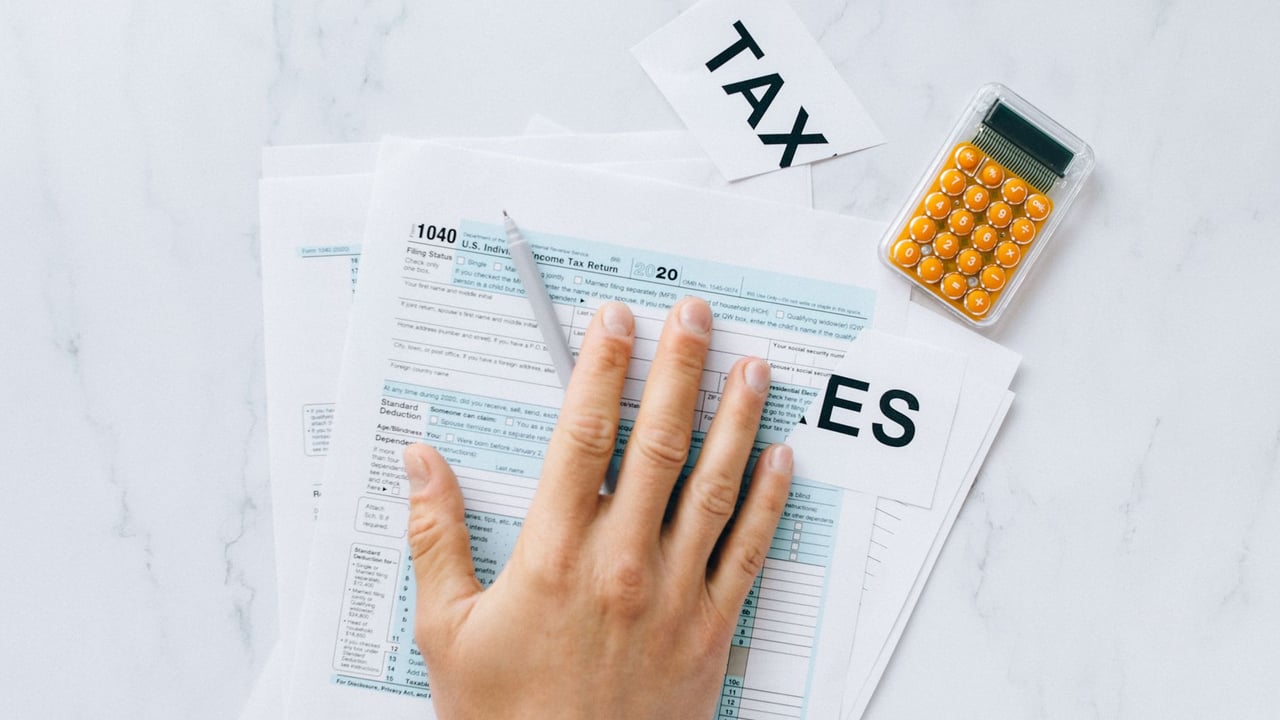
Photo by Nataliya Vaitkevich on Pexels
The Brief
China is accelerating reforms to its departure tax refund system to stimulate inbound traveler spending and modernize cross-border tourism retail. Following a 2025 lowering of the minimum purchase threshold to 200 yuan and an increase in cash refund limits, the store network reached 14,000 locations by May 2026. A secondary policy package rolling out in July introduces paperless processing, random customs checks for items under 10,000 yuan, and cross-regional recognition for 'buy-now-refund-now' services to resolve bottlenecks at key transit ports.
Why it matters
The systematic upgrade of departure tax refunds serves as a direct lever to increase international tourist retail spending, supporting Beijing's push to build international consumption center cities and project high-standard opening up.
China context
As China expands unilateral visa-free entries and transit exemptions, inbound tourism has transitioned from simple visitor volume recovery to maximizing traveler retail spend. By eliminating friction in shopping thresholds, payment mechanisms, and port clearance procedures, authorities aim to channel foreign tourist spending toward domestic innovation goods, cultural intellectual property, and high-value consumer products beyond traditional duty-free enclaves.
Editor's View
EDITOR'S VIEW — Analysis and inference, not factual reporting.
While the rapid physical expansion of designated refund stores demonstrates administrative momentum, departure tax spending remains highly concentrated in premier tier-one hubs like Shanghai and Beijing. The critical test for 'Version 2.0' lies in whether cross-regional recognition and paperless systems can successfully incentivize international tourists to spend in smaller cultural and historical destinations that currently lack deep cross-border payment and multi-language infrastructure.
What to watch
- Implementation and cross-provincial compatibility of 'buy-now-refund-now' procedures across provincial customs authorities.
- The operational impact of random inspections for purchases under 10,000 yuan on port wait times.
- Efforts to integrate time-honored brands, domestic creative IP, and regional tourism hubs into the accredited refund merchant network.
Key Takeaways
- 1China's accredited departure tax refund network reached 14,000 stores by May 2026, quadrupling from late 2024.
- 22025 'Version 1.0' reforms lowered the minimum spending threshold to 200 yuan and raised cash refund limits to 20,000 yuan.
- 3Shanghai, Beijing, Guangzhou, Tianjin, and Chongqing generated two-thirds of national departure tax refund sales in 2025.
- 4'Version 2.0' measures starting July 1 introduce random inspections under 10,000 yuan, paperless clearance, and inter-city 'buy-now-refund-now' recognition.
China is accelerating policy reforms to its departure tax refund system for foreign visitors, expanding eligible merchant networks and simplifying clearance processes to spur inbound consumption.
According to an analysis published by People's Daily, China's departure tax refund mechanism, initially piloted in Hainan in 2011 and expanded nationwide in 2015, underwent major revisions in 2025 termed 'Version 1.0.' That overhaul reduced the minimum spending threshold from 500 yuan to 200 yuan to capture high-frequency small-value purchases, while doubling the cash refund limit from 10,000 yuan to 20,000 yuan to accommodate luxury and high-end retail spending.
By May 2026, the nationwide count of designated tax refund stores reached 14,000—roughly four times the level recorded at the end of 2024. The accredited outlets encompass commercial districts, scenic resorts, museums, airports, and hotels. The scope of eligible retail products has also broadened from conventional souvenirs to high-tech and creative items, including consumer drones, artificial intelligence smart glasses, smart wearables, and regional cultural merchandise.
However, rapid volume growth revealed operational bottlenecks. Surging refund processing demand caused clearance delays at major transit ports, while refund sales remained heavily skewed: in 2025, five cities—Shanghai, Beijing, Guangzhou, Tianjin, and Chongqing—accounted for two-thirds of total national departure tax refund sales. International travelers also faced obstacles including non-standardized departure deadlines, non-interoperable 'buy-now-refund-now' programs between jurisdictions, and multi-language service gaps.
To address these hurdles, a updated 'Version 2.0' policy suite implemented on July 1 introduces several operational adjustments. Key measures include random spot checks instead of mandatory full inspections for refund items valued under 10,000 yuan, widespread adoption of paperless digital processing, and standardized 28-day departure timelines. Crucially, the update promotes cross-regional recognition for 'buy-now-refund-now' transactions, allowing travelers to receive immediate refunds in one city and depart the country through another without administrative friction.
Sources
- 以退税红利带动入境消费提质升级(开放谈) --经济·科技--人民网 — People's Daily · 8/11/2026