
Policy & RegulationAnalysis
China Curbs Domestic Fuel Price Hikes Following Surge in Global Crude
The NDRC introduces temporary price controls, limiting gasoline and diesel price increases to buffer against international geopolitical volatility.
Share
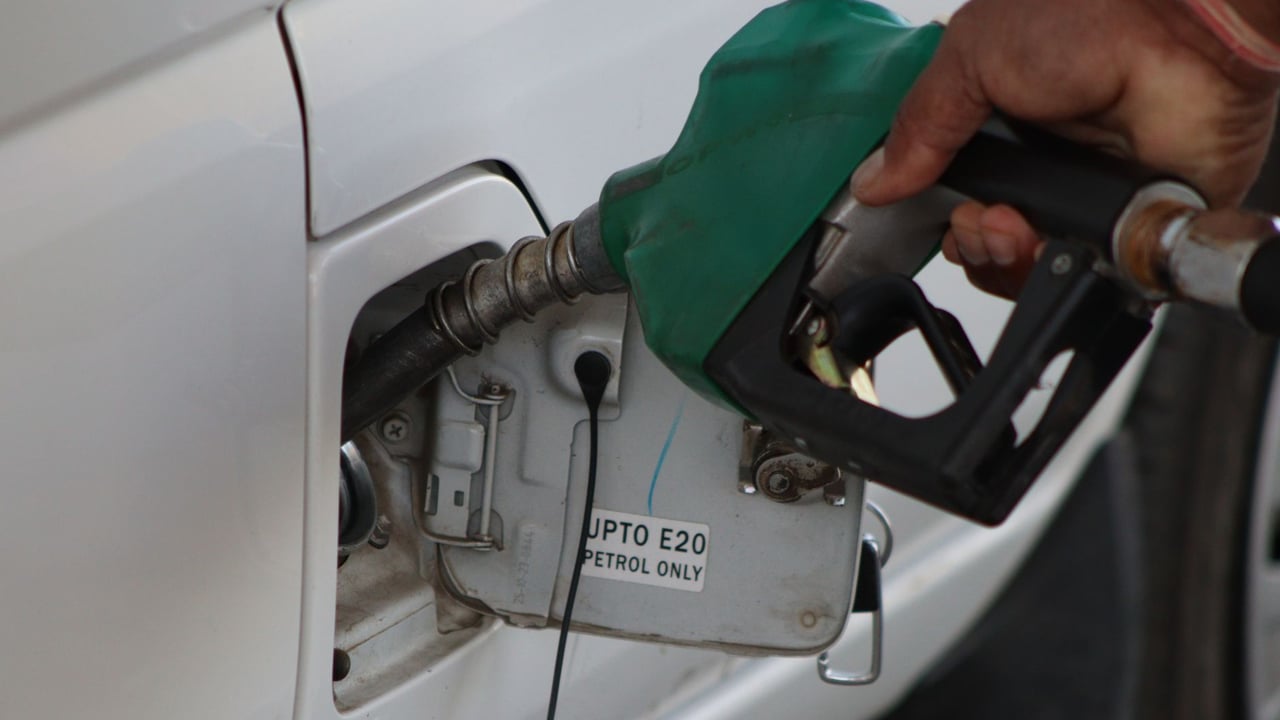
Photo by Fahad Puthawala on Pexels
The Brief
China's economic planner intervened in domestic refined fuel pricing on September 11, limiting scheduled price increases for gasoline and diesel to shelter the domestic market from surging international oil costs. According to the National Development and Reform Commission (NDRC), standard formulas pointed to per-ton increases of 435 yuan for gasoline and 420 yuan for diesel, driven by escalating conflict between the United States and Iran. Under temporary control measures, the agency capped the actual hikes at 260 yuan and 250 yuan per ton, while directing state energy majors to maintain stable supply and enforce price discipline.
Why it matters
The decision underscores Beijing's willingness to deploy administrative levers within its market-tracking fuel pricing mechanism when external geopolitical shocks threaten domestic cost stability. By trimming the scheduled price hike by roughly 40 percent, authorities are moving to insulate transport operators, logistics networks, and broader consumer spending from an abrupt surge in energy costs, balancing domestic inflation risks against downstream economic vitality.
China context
Under China's refined oil pricing regime, domestic retail ceilings are typically adjusted every ten working days to reflect fluctuations in international crude benchmarks. However, the system includes built-in safeguards and discretion for macroeconomic intervention during periods of extreme volatility. Implementing these caps relies directly on major state-owned oil enterprises—primarily PetroChina, Sinopec, and CNOOC—to shoulder supply obligations and absorb margin compression, while market regulators leverage channels like the 12315 consumer hotline to police retail compliance.
Editor's View
EDITOR'S VIEW — Analysis and inference, not factual reporting.
Beijing's intervention highlights an ongoing balancing act between market-oriented price discovery and state-directed macroeconomic stability. While China has spent years refining its fuel pricing formula to track global benchmarks more transparently, geopolitical escalation provides a clear justification for prioritizing containment over pure market pass-through. The broader test will be how long these temporary caps remain if international crude remains elevated, and whether independent and state refiners face sustained refining margin pressure as crude import costs outpace allowable domestic retail ceilings.
What to watch
- International crude oil price trajectories and their impact on calculation thresholds for the subsequent domestic fuel pricing window.
- Refinery run rates and product yields at PetroChina, Sinopec, CNOOC, and independent processors to monitor for regional supply tightness.
- Enforcement actions by local market regulatory bureaus against retail fuel stations violating national price ceilings.
Key Takeaways
- 1The NDRC enacted temporary price controls on September 11, limiting domestic fuel price hikes caused by escalating U.S.-Iran tensions and rising crude prices.
- 2Standard pricing formulas called for increases of 435 yuan per ton for gasoline and 420 yuan per ton for diesel, but actual hikes were restricted to 260 yuan and 250 yuan per ton, respectively.
- 3State energy giants PetroChina, Sinopec, and CNOOC, alongside other refiners, were ordered to ensure domestic supply and strictly follow state price directives.
- 4Local market regulators have been instructed to conduct inspections and penalize retailers that breach statutory price ceilings, backed by public reporting via the 12315 platform.
China's top economic planning agency has stepped in to curb domestic refined oil price increases, applying temporary controls to soften the domestic blow of a sharp rise in global crude prices.
In a statement released on September 11, the Pricing Department of the National Development and Reform Commission (NDRC) announced that gasoline and diesel retail prices would rise by less than the full amount dictated by the country's prevailing pricing mechanism. Following an escalation in the conflict between the United States and Iran after the previous domestic price adjustment on August 28, international crude benchmarks had climbed significantly, generating strong upward pressure on domestic fuel costs.
Under China's standard formula, which adjusts domestic ceiling prices every ten working days based on international crude benchmarks, standard gasoline was slated to rise by 435 yuan (about $61) per metric ton, and standard diesel was set to increase by 420 yuan per metric ton on September 11. Instead, the NDRC set the actual increases at 260 yuan per ton for gasoline and 250 yuan per ton for diesel, trimming the upward adjustment by approximately 40 percent.
The agency stated that the temporary measures were adopted within the existing pricing mechanism framework specifically to mitigate external shocks on the domestic economy. The move represents an intentional cushion for industrial, logistics, and retail transport sectors that rely heavily on refined fuels.
Alongside the modified price schedule, the NDRC instructed national oil companies—specifically PetroChina, Sinopec, and CNOOC—as well as other crude refining firms to carefully organize production schedules and product distribution to guarantee steady supplies across the country. The companies were explicitly ordered to adhere strictly to state pricing directives.
The regulator also ordered local market supervision authorities to intensify on-site inspections and severely punish retailers failing to comply with official retail ceilings. Consumers were encouraged to report pricing violations and unauthorized price gouging through the nationwide 12315 market regulation complaint platform.
Sources
- 【2026年9月11日国家对成品油价格实施调控】-国家发展和改革委员会 — National Development and Reform Commission · 9/11/2026