
Policy & RegulationAnalysis
China's Healthcare Authority Issues 15th Five-Year Plan Policy Interpretation
The National Healthcare Security Administration has released its official framework for universal medical security ahead of the 2026–2030 planning cycle.
Share
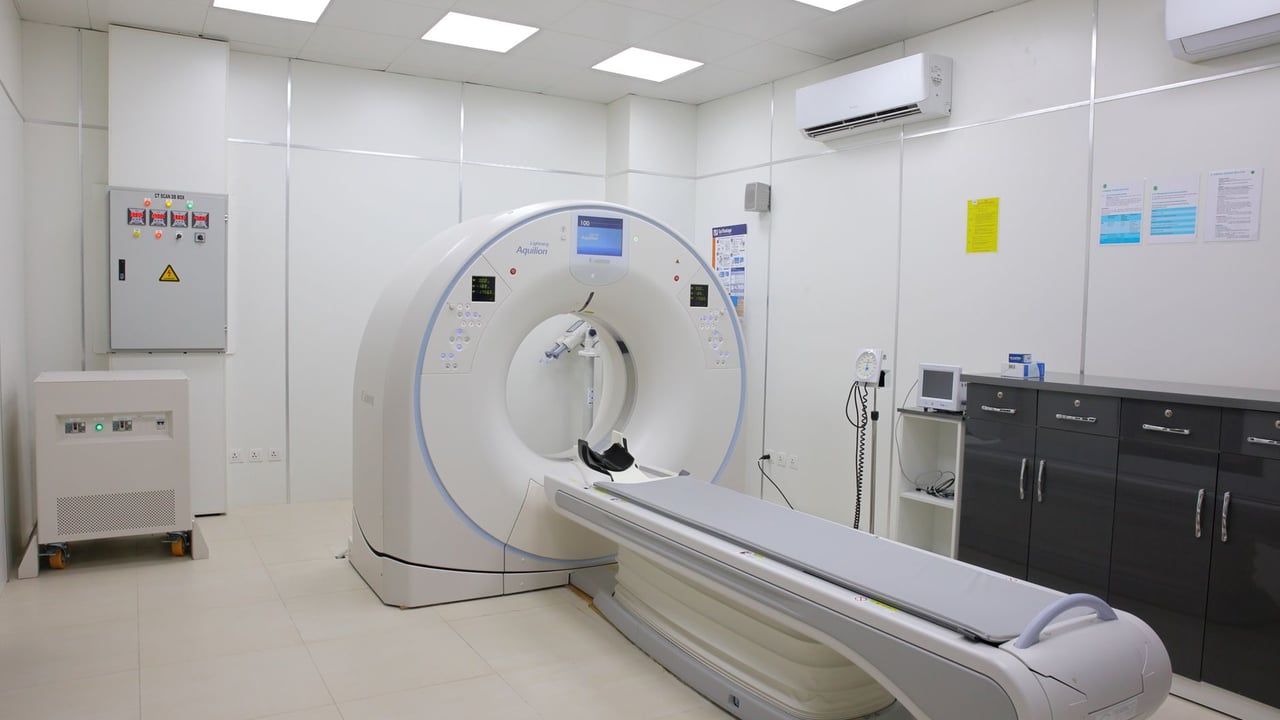
Photo by contact me +923323219715 on Pexels
The Brief
China's National Healthcare Security Administration (NHSA) has published an official policy interpretation of the upcoming 15th Five-Year Plan for Universal Healthcare Security, state-backed media outlet China News Service reported. The document outlines regulatory priorities for medical insurance coverage, reimbursement structures, and fund sustainability as policymakers prepare for the 2026–2030 socioeconomic development period.
Why it matters
Five-year healthcare blueprints establish the operational parameters for public medical insurance, directly influencing patient reimbursement rates, drug procurement mechanisms, and the fiscal sustainability of China's national healthcare system.
China context
The 15th Five-Year Plan period (2026–2030) represents a critical juncture for China's social security network, which faces accelerating population aging alongside structural reforms to medical service pricing, centralized drug purchasing, and tiered healthcare delivery.
Editor's View
EDITOR'S VIEW — Analysis and inference, not factual reporting.
The release of the NHSA's interpretation highlights Beijing's proactive alignment of healthcare policy with macroeconomic planning. While high-level five-year guidelines establish strategic direction, the key determinants of success will lie in regional execution, particularly in balancing local fund reserves against expanding reimbursement demands.
What to watch
- Publication of the complete text and quantifiable targets for the 15th Five-Year Plan for Universal Healthcare Security
- Provincial and municipal rollouts detailing localized medical insurance fund pooling and implementation steps
- Subsequent updates to national drug reimbursement lists and volume-based procurement categories
Key Takeaways
- 1The National Healthcare Security Administration released an official interpretation of the 15th Five-Year Plan for Universal Healthcare Security, according to China News Service.
- 2The document establishes strategic priorities for healthcare coverage, fund sustainability, and medical reimbursement for the 2026–2030 period.
- 3The framework will guide national and local reforms addressing demographic pressures, pharmaceutical procurement, and public insurance administration.
China's National Healthcare Security Administration (NHSA) has issued an official interpretation outlining the strategic direction of the 15th Five-Year Plan for Universal Healthcare Security, according to a report by state-affiliated media outlet China News Service.
The policy interpretation establishes the administrative framework for China's medical insurance architecture during the 2026 to 2030 economic planning horizon. These multi-year sector blueprints serve as top-level guidance for national and regional authorities, governing the management of basic medical insurance funds, pharmaceutical procurement standards, and public reimbursement safety nets.
China's healthcare security network has undergone sweeping structural overhauls in recent years, marked by the expansion of centralized volume-based drug procurement, standardized diagnostic-related group payment mechanisms, and dynamic updates to the National Reimbursement Drug List. The 15th Five-Year framework is anticipated to deepen these reforms while balancing universal coverage mandates with growing fiscal prudence.
Demographic shifts remain a central driver of the planning cycle. As China's population continues to age, healthcare authorities face heightened demands to ensure the long-term solvency of basic medical insurance reserves while expanding coverage for chronic diseases, specialized elder care, and innovative therapies. The coordination between basic healthcare coverage, critical illness insurance, and supplementary medical assistance will remain a core focus for the administration throughout the five-year cycle.
Detailed operational provisions and quantitative performance indicators are expected to be articulated as relevant departments publish the complete plan and provincial-level authorities formulate localized execution timetables.
Sources
- 国家医保局发布《全民医疗保障“十五五”规划》解读 — China News Service · 8/19/2026