
Policy & RegulationAnalysis
China Honors Shenzhou-21 Astronauts Following Seven-Month Station Mission
The leadership awarded medals and titles to crew members Zhang Lu, Wu Fei, and Zhang Hongzhang after completing station upgrades and science tasks.
Share
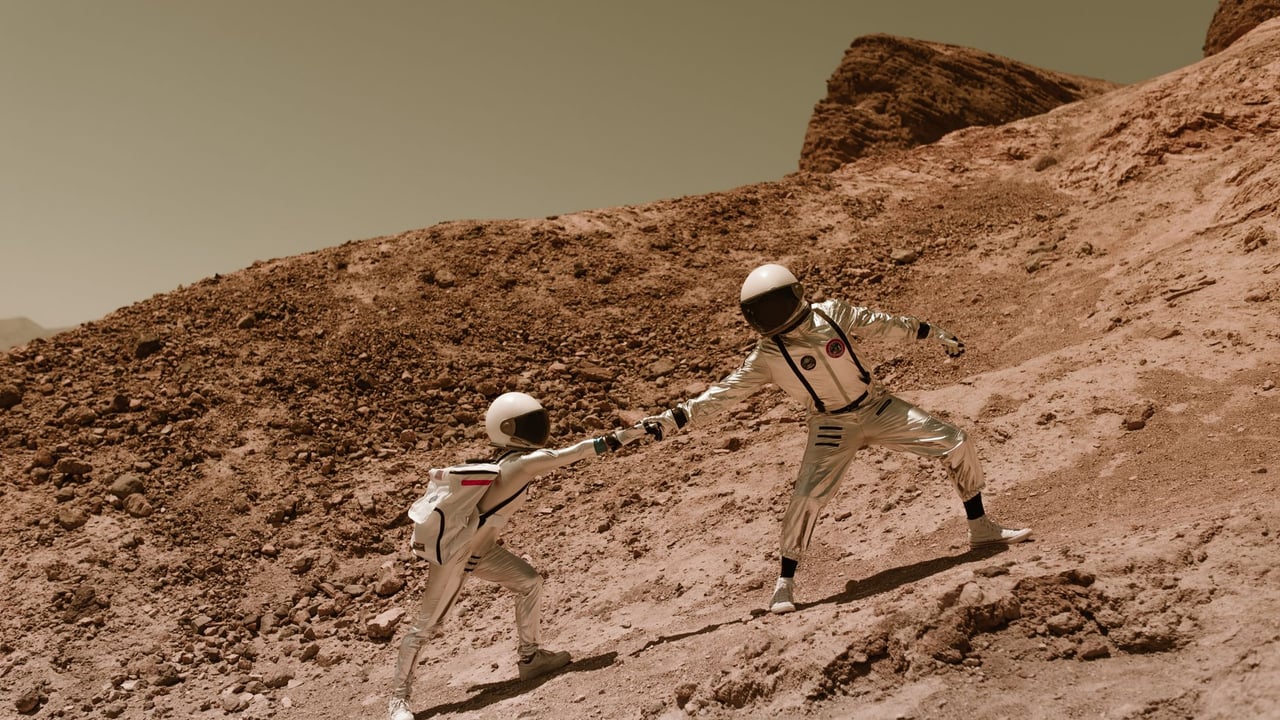
Photo by RDNE Stock project on Pexels
The Brief
China's central authorities—the Communist Party Central Committee, the State Council, and the Central Military Commission—have conferred high-level state honors on the three astronauts of the Shenzhou-21 crew. Mission commander Zhang Lu received the Second-Class Aerospace Meritorious Medal, while flight engineer Wu Fei and payload specialist Zhang Hongzhang were granted the honorary title of 'Hero Astronaut' alongside Third-Class Aerospace Meritorious Medals. The commendation follows their seven-month mission aboard the Tiangong space station, which concluded with a safe return in May 2026.
Why it matters
The Shenzhou-21 mission marked the sixth crewed flight during the space station's application and development phase, demonstrating China's routine operational capacity in orbit. By successfully deploying a crew composition spanning a veteran commander, a flight engineer, and a dedicated payload specialist, the mission highlights the maturation of China's astronaut selection and training framework as space station operations shift deeper into advanced scientific research.
China context
State commendations for astronaut crews serve as standard political and institutional milestones in China's aerospace program, framing space achievements within broader campaigns for high-level technological self-reliance. Official statements consistently link space milestones to national mobilization, the 'Two Bombs, One Satellite' spirit, and broader strategic modernization objectives outlined by central leadership.
Editor's View
EDITOR'S VIEW — Analysis and inference, not factual reporting.
The specific recognition of Wu Fei as China's youngest flight engineer to fly and Zhang Hongzhang as an active payload specialist reflects a deliberate operational transition. Tiangong is no longer solely focused on orbital assembly; human spaceflight staffing has adapted to long-duration maintenance, engineering iteration, and diversified payload experimentation.
What to watch
- Launch timeline and crew announcements for upcoming Shenzhou rotation missions.
- Publication of scientific findings and technological demonstration results from Shenzhou-21 in-orbit payloads.
- Integration and mission assignment timelines for newly selected astronaut cohorts, including payload specialists from Hong Kong and Macau.
Key Takeaways
- 1Commander Zhang Lu received the Second-Class Aerospace Meritorious Medal; Wu Fei and Zhang Hongzhang received 'Hero Astronaut' titles and Third-Class medals.
- 2Shenzhou-21 operated in orbit for seven months from October 31, 2025, to May 29, 2026, setting a national duration record for a single crew.
- 3The crew carried out three spacewalks and over 110 maintenance and upgrade tasks aboard the Tianhe module.
- 4Zhang Lu set an individual record of seven career extravehicular activities, while Wu Fei flew as China's youngest flight engineer.
China's top leadership bodies—the Communist Party of China Central Committee, the State Council, and the Central Military Commission—issued a joint decision on August 20, 2026, to bestow national honors on the three crew members of the Shenzhou-21 human spaceflight mission, according to an official announcement carried by Xinhua News Agency.
Under the decision, mission commander Zhang Lu was awarded the Second-Class Aerospace Meritorious Medal. Crew members Wu Fei and Zhang Hongzhang were both granted the honorary title of "Hero Astronaut" and received Third-Class Aerospace Meritorious Medals.
The Shenzhou-21 spacecraft launched on October 31, 2025, sending the trio to the space station's Tianhe core module. The crew lived and worked in orbit for seven months before returning safely to Earth on May 29, 2026. The flight represented the sixth crewed mission conducted during the application and development phase of China's space station program.
According to official releases, the mission established a new speed record for Shenzhou spacecraft rendezvous and docking with the station and set a record for the longest single-crew orbital stay by Chinese astronauts. During their seven months in orbit, the astronauts conducted three extravehicular activities, completed more than 110 tasks involving space station maintenance, construction upgrades, and component servicing, and executed a wide spectrum of space science and technological experiments.
The official citation highlighted individual milestones for each crew member. Zhang Lu, returning to space after a two-year gap to serve as commander, brought his career total to seven extravehicular activities, setting a national record for the most spacewalks by an individual Chinese astronaut. Wu Fei, flying for the first time, completed three spacewalks and became China's youngest aerospace flight engineer to participate in a crewed mission. Zhang Hongzhang, serving as the mission's payload specialist, managed the on-orbit execution of specialized space science applications.
The central leadership's decision commended the broader aerospace workforce and called on state, military, and civilian institutions to draw inspiration from the crew's performance to support technological self-reliance and national development goals.
Sources
- 中共中央 国务院 中央军委关于给张陆颁发“二级航天功勋奖章” 授予武飞、张洪章“英雄航天员”荣誉称号并颁发“三级航天功勋奖章”的决定 — State Council of China · 8/20/2026
- 中共中央 国务院 中央军委关于给张陆颁发“二级航天功勋奖章” 授予武飞、张洪章“英雄航天员”荣誉称号并颁发“三级航天功勋奖章”的决定 - 中国军网 — China Military Online · 8/20/2026