
Policy & RegulationAnalysis
China Unveils 15th Five-Year Plan for Intellectual Property Framework
The State Council directive targets emerging tech, AI content rules, and data rights while setting goals for 2030 and 2035.
Share
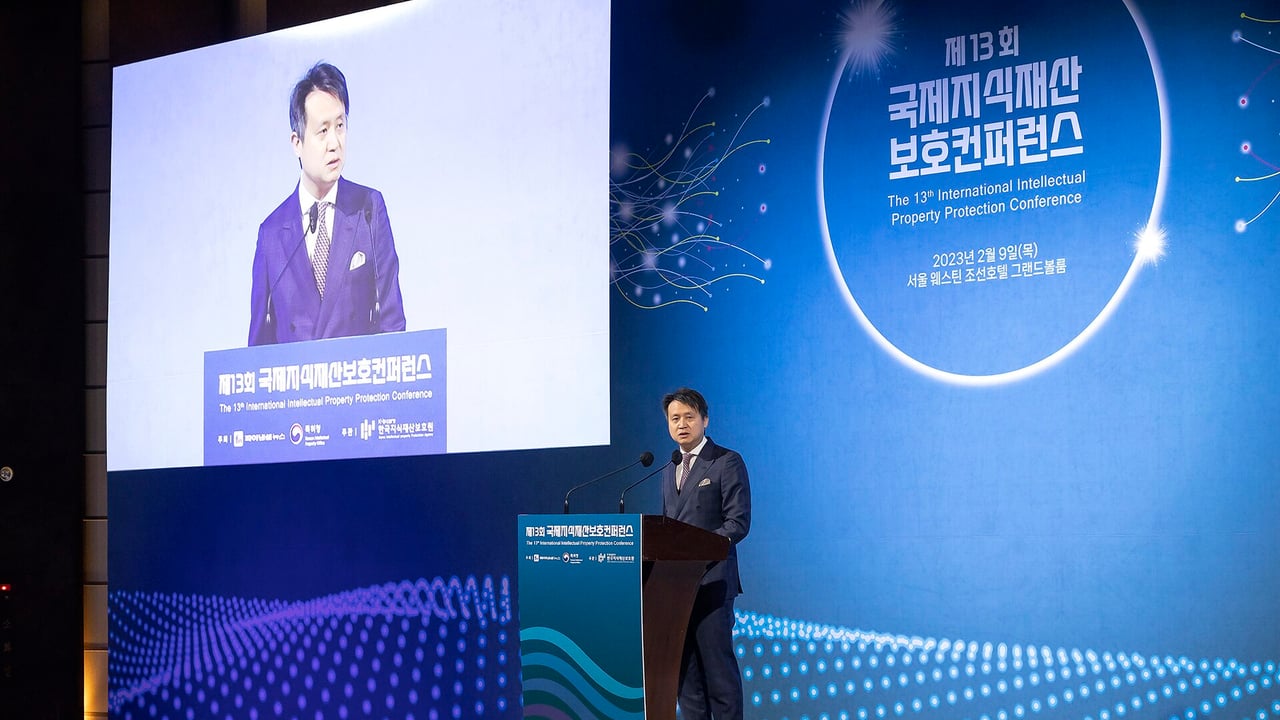
WIPO | OMPI via Wikimedia Commons, CC BY 2.0
The Brief
China's State Council has officially issued the 15th Five-Year Plan for Intellectual Property Protection and Utilization, outlining strategic goals for the 2026–2030 period with a long-term vision toward 2035. The plan establishes four main policy tasks and 12 special initiatives, focusing on strengthening legal frameworks, boosting commercial application for new quality productive forces, and deepening international cooperation. Notably, the roadmap prioritizes establishing IP regulations for emerging sectors such as artificial intelligence, algorithm design, platform business models, and data elements.
Why it matters
《知识产权保护和运用“十五五”规划》的发布为中国未来五年的知识产权保护与市场化运用制定了明确蓝图。随着人工智能和数字经济的飞速发展,明确AI生成物、数据要素和算法等新兴领域的产权规则,将对国内外企业的创新投资与知识产权合规产生深远影响。
China context
在中国加快发展新质生产力和建设创新型国家的背景下,该规划强调全面提升知识产权创造、运用、保护和管理水平。对外彰显了中国深化高水平对外开放、参与全球知识产权治理的决心,对内则旨在通过严厉打击侵权行为和优化审查体系,为各类所有制主体营造公平竞争的市场环境。
Editor's View
EDITOR'S VIEW — Analysis and inference, not factual reporting.
Beijing's updated IP roadmap demonstrates a clear shift toward legal institutionalization for cutting-edge technology. While previous plans emphasized overall filing volumes and administrative enforcement, the 15th Five-Year Plan highlights nuanced areas like data ownership, algorithm protection, and AI output governance. The ultimate impact will depend on how quickly agencies like CNIPA translate these high-level directives into concrete administrative guidelines and judicial interpretations.
What to watch
- 国家知识产权局及各部门后续出台的“十五五”年度推进计划与落实细则。
- 商标法及实施条例修改的立法进程。
- 数据知识产权与人工智能保护规则的试点与法规落地情况。
Key Takeaways
- 1The State Council issued the 15th Five-Year Plan for IP Protection and Utilization targeting key objectives through 2030 and 2035.
- 2The roadmap focuses on four primary tasks and establishes 12 special projects, including IP and AI integration and strategic emerging industry protections.
- 3New legal rules will be explored for AI-generated content, data IP, algorithms, platform business models, and open-source agreements.
- 4CNIPA will lead inter-departmental coordination and publish annual implementation blueprints.
China's State Council has published the 15th Five-Year Plan for Intellectual Property Protection and Utilization, setting out a comprehensive national strategy to modernize the country's IP system for the 2026–2030 policy cycle, according to official circulars issued by the central government and reports by state media outlets Xinhua and People's Daily.
The policy document establishes milestone objectives for 2030, targeting decisive progress toward making China a recognized intellectual property powerhouse. Under the blueprint, China aims to strengthen judicial and administrative IP protection, enhance the market valuation of IP assets, and streamline public services. Looking ahead to 2035, the plan envisions China's overall IP competitiveness ranking among the top globally, backed by a fully developed legal framework.
To achieve these long-term goals, the State Council outlined four central tasks: optimizing the legal protection environment to support comprehensive innovation, improving IP conversion efficiency to foster new quality productive forces, building an efficient integrated administrative governance system, and deepening international IP governance and cooperation to serve high-level opening up.
A prominent feature of the plan is its tailored focus on establishing rules for emerging technologies and digital economy sectors. The document directs authorities to develop specialized protection frameworks for artificial intelligence-generated content, algorithm design, platform economy models, and data IP rights. It also calls for studying open-source IP license rules to support domestic development communities, while refining IP rules in specialized areas such as traditional Chinese medicine, space station operations, commercial secrets, and biological genetic resources.
To drive implementation, the plan establishes 12 special projects, including specialized initiatives for strategic emerging industries, mutual empowerment between IP and artificial intelligence, regional IP services, and Belt and Road IP cooperation. The National Intellectual Property Administration (CNIPA) will lead overall coordination, working alongside relevant departments to formulate annual implementation blueprints and conduct ongoing monitoring.
Sources
- 国务院关于印发《知识产权保护和运用“十五五”规划》的通知_知识产权_中国政府网 — State Council of China · 7/31/2026
- 国务院印发《知识产权保护和运用“十五五”规划》--时政--人民网 — People's Daily · 7/31/2026
- 国务院印发《知识产权保护和运用“十五五”规划》 — State Council of China · 7/31/2026