
Policy & RegulationAnalysis
China and Kuwait Pledge Deeper Energy Ties and Gulf De-escalation
Foreign ministers mark 55 years of bilateral ties with commitments to major project cooperation and diplomatic coordination amid Middle East tensions.
Share
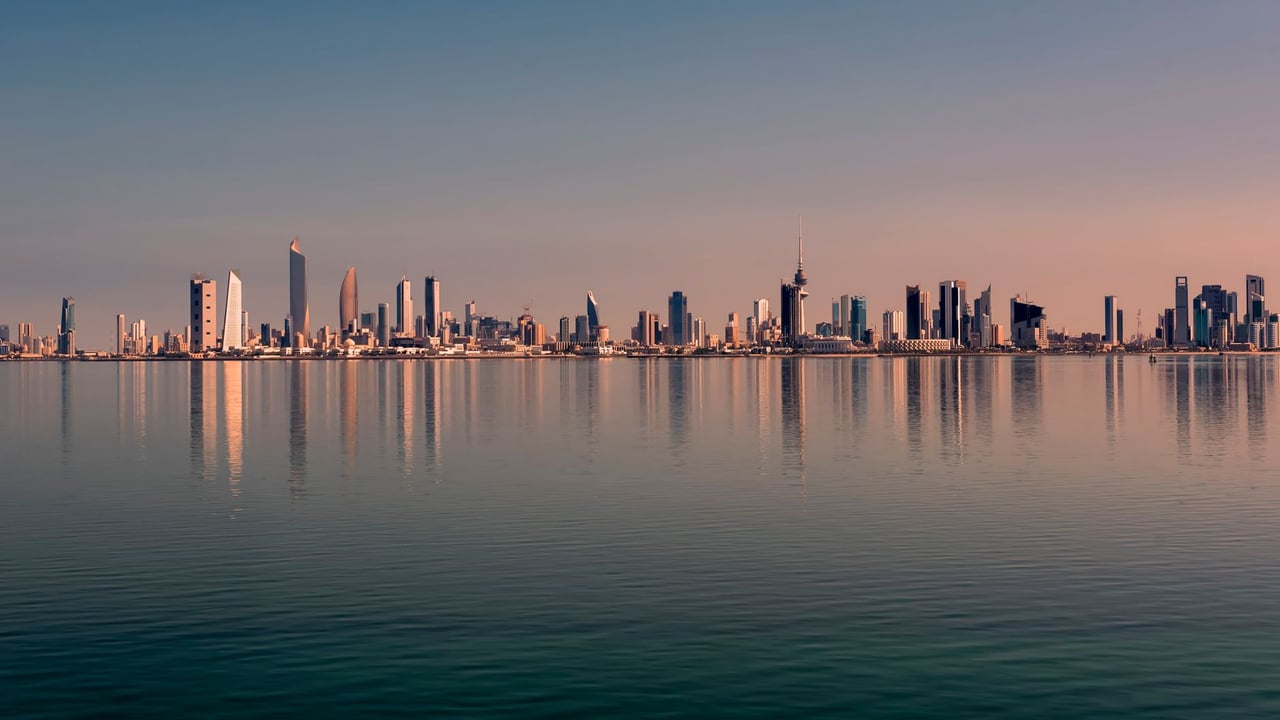
Photo by Frans van Heerden on Pexels
The Brief
Chinese Foreign Minister Wang Yi met with Kuwaiti Foreign Minister Jarrah in Beijing on August 24, marking the 55th anniversary of diplomatic relations between the two nations. The ministers pledged to deepen strategic cooperation in investment, energy, and infrastructure while reaffirming mutual political support. Amid ongoing regional instability in the Gulf, Wang called for a permanent shift from conflict to negotiation, while Jarrah commended Beijing's constructive diplomatic role and emphasized the importance of securing international shipping routes.
Why it matters
Marking 55 years of formal relations, the meeting between Chinese and Kuwaiti foreign ministers consolidates bilateral cooperation in critical energy and infrastructure initiatives. At a time of heightened regional volatility affecting international shipping and global energy supply lines, the talks underscore Beijing's expanding diplomatic coordination with key Gulf Arab partners to urge de-escalation and protect overseas economic assets.
China context
Kuwait holds a distinct position in Beijing's regional diplomacy as the first Gulf Arab nation to establish formal ties with the People's Republic of China. As geopolitical instability threatens vital commercial corridors, China continues to position itself as a neutral mediator promoting dialogue, while actively seeking host-nation security guarantees for Chinese personnel, state enterprises, and infrastructure projects across the Middle East.
Editor's View
EDITOR'S VIEW — Analysis and inference, not factual reporting.
The Beijing meeting reflects China's twin priorities in the Gulf: safeguarding essential commercial interests while projecting influence as a stabilizing diplomatic force. By explicitly seeking Kuwaiti commitments to protect Chinese personnel and assets alongside broader calls for de-escalation, Beijing aims to shield its Belt and Road investments from regional spillovers without committing direct security resources.
What to watch
- Potential announcements regarding high-level leadership exchanges or state visits to commemorate the 55th anniversary of bilateral relations.
- Progress on bilateral implementation frameworks for major infrastructure, investment, and energy transition projects in Kuwait.
- China's continued diplomatic coordination with Gulf Cooperation Council (GCC) member states regarding maritime security and regional ceasefire talks.
Key Takeaways
- 1Chinese Foreign Minister Wang Yi and Kuwaiti Foreign Minister Jarrah held bilateral talks in Beijing marking 55 years of diplomatic relations.
- 2Both sides agreed to accelerate major cooperative projects, focusing on investment, energy, and mutual multilateral support.
- 3Wang highlighted the need to de-escalate Middle East tensions and maintain momentum toward ceasefires through dialogue.
- 4Kuwait reaffirmed its commitment to the One-China principle, pledged to protect Chinese assets in Kuwait, and called for safeguarding international shipping lanes.
Chinese Foreign Minister Wang Yi held talks with Kuwaiti Foreign Minister Jarrah in Beijing on August 24, using the 55th anniversary of formal diplomatic relations to reaffirm bilateral partnerships and address mounting security concerns across the Middle East, according to statements released by China's Ministry of Foreign Affairs and state media.
During the meeting, Wang emphasized that Kuwait was the first Gulf Arab state to establish diplomatic ties with the People's Republic of China, describing the bilateral relationship as a model of mutual respect and win-win cooperation. Wang stated that China is willing to work with Kuwait to build a higher-quality strategic partnership, deepen practical cooperation across various sectors, and expand people-to-people exchanges. He also reiterated Beijing's firm backing for Kuwait's independent development path under the leadership of Emir Mishal Al-Ahmad Al-Jaber Al-Sabah, while calling on Kuwait to ensure the safety of Chinese personnel, institutions, and major projects operating within its borders.
Addressing regional security in the Gulf, Wang stated that the Middle East has reached a critical juncture where cycles of conflict must give way to long-term stability. He underscored Beijing's position that differences must be resolved through negotiation rather than military force, arguing that once steps toward a ceasefire are taken, parties should not revert to hostilities. Wang urged regional actors to respond to international calls for peace and prioritize immediate de-escalation.
According to official reports, Foreign Minister Jarrah affirmed Kuwait's commitment to the One-China principle and expressed appreciation for China's longstanding support for Kuwait's sovereignty and territorial integrity. Jarrah noted that Kuwait is eager to accelerate major bilateral cooperation initiatives, particularly in energy and investment, while continuing to ensure the security of Chinese personnel and assets.
Jarrah also commended China's constructive role in addressing ongoing regional hostilities and expressed Kuwait's readiness to enhance diplomatic communication with Beijing to restore regional stability and safeguard the freedom and security of international maritime lanes.
Sources
- 王毅同科威特外交大臣杰拉赫会谈 — National Business Daily · 8/24/2026
- 王毅同科威特外交大臣杰拉赫会谈--时政--人民网 — People's Daily · 8/24/2026