
Technology & AIAnalysis
China Launches SEO Satellite Aboard Long March-2C Carrier Rocket
The mission from Taiyuan Satellite Launch Center marks the 664th flight of the Long March rocket family as orbital operations begin.
Share
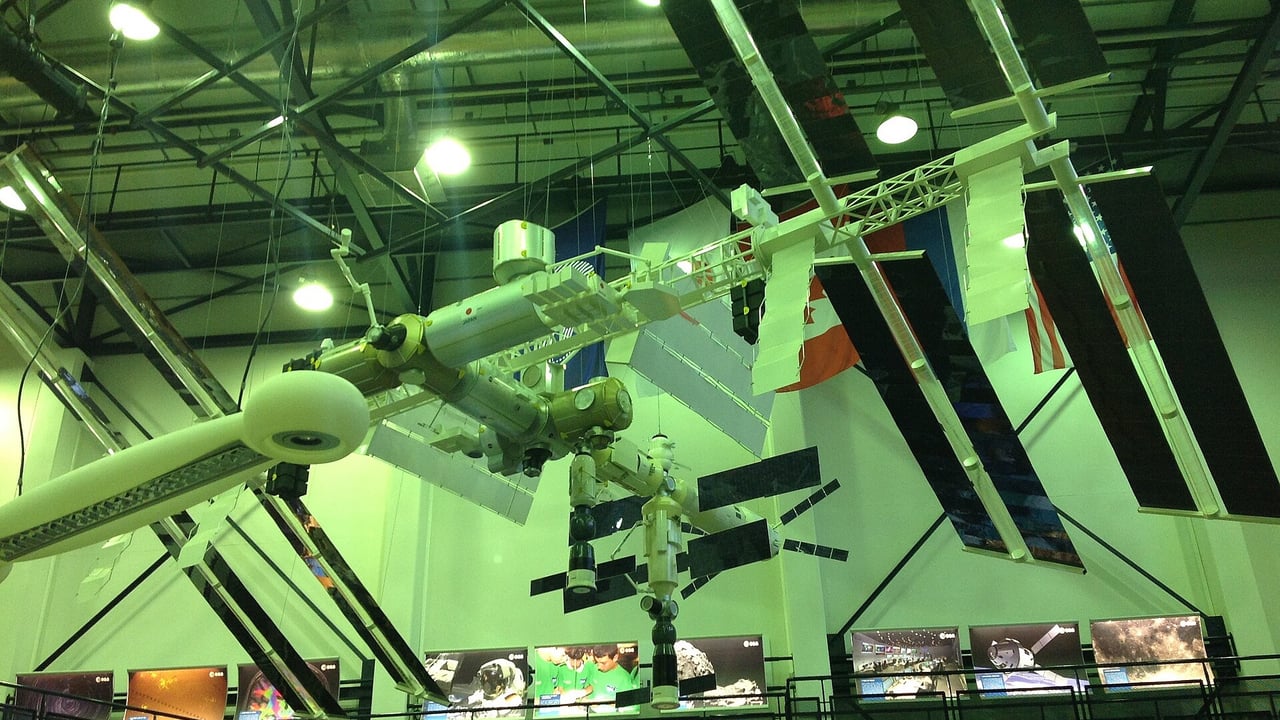
astro_matt via Wikimedia Commons, CC BY-SA 2.0
The Brief
China successfully placed an SEO satellite into orbit on August 17, 2026, launching from the Taiyuan Satellite Launch Center in Shanxi province. Carried by a Long March-2C launch vehicle at 11:02 a.m. Beijing Time, the satellite entered its planned trajectory without reported anomalies. The launch represents the 664th mission for China's Long March series, maintaining the nation's regular cadence of orbital deployments across scientific, technological, and operational sectors.
Why it matters
The successful deployment continues the high-tempo operational record of China's primary orbital workhorse, the Long March series. It underscores the ongoing reliability of the Long March-2C vehicle and the operational responsiveness of the Taiyuan launch site for diverse mission profiles.
China context
China's space sector maintains one of the world's most active launch schedules, utilizing multiple variants of the Long March rocket family to deploy scientific, Earth observation, communication, and commercial payloads. Facilities like Taiyuan support routine access to space across low Earth and polar orbits.
Editor's View
EDITOR'S VIEW — Analysis and inference, not factual reporting.
Official releases regarding the SEO satellite remain characteristically brief, focusing primarily on launch parameters, vehicle designation, and orbital insertion success. Observers of China's space program will look for subsequent disclosures regarding the satellite's specific technical architecture, mission objective, and payload capabilities as on-orbit commissioning proceeds.
What to watch
- Follow-up disclosures or technical details regarding the primary mission and payload of the SEO satellite
- On-orbit testing status and operational commissioning milestones
- Upcoming flight schedules for the Long March-2C vehicle family
Key Takeaways
- 1An SEO satellite was launched successfully at 11:02 a.m. Beijing Time on August 17, 2026.
- 2The launch was conducted from the Taiyuan Satellite Launch Center using a Long March-2C carrier rocket.
- 3The payload successfully achieved its predetermined orbit.
- 4The mission marked the 664th flight of the Long March carrier rocket family.
China successfully launched an SEO satellite into its designated orbit on August 17, 2026, marking another routine deployment in the country's active space calendar, state media outlets reported.
The launch took place at 11:02 a.m. Beijing Time from the Taiyuan Satellite Launch Center in northern China's Shanxi province. The payload was carried aloft by a Long March-2C carrier rocket, according to reports from Xinhua and China News Service. Official tracking confirmed that the satellite successfully reached its predetermined orbital parameters, leading authorities to declare the launch mission a complete success.
The operation marked the 664th flight for the Long March rocket series, which forms the operational backbone of China's orbital launch infrastructure. The Long March-2C, a liquid-fueled rocket developed by the China Academy of Launch Vehicle Technology, has long served as a core vehicle for deploying low Earth orbit and sun-synchronous orbit payloads, spanning scientific experimentation, remote sensing, and technological validation.
State media announcements did not provide technical specifics regarding the payload instrumentation, operational spectrum, or administrative operator of the SEO satellite. Such succinct initial disclosures are standard for several categories of Chinese satellite deployments, with detailed technical specifications or institutional applications often clarified in subsequent academic or operational reports following orbital checkout.
The mission reflects the ongoing launch tempo maintained across China's primary spaceports, including Taiyuan, Jiuquan, Xichang, and Wenchang. As orbital infrastructure expands, regular launches across the Long March vehicle family continue to support institutional, scientific, and applied satellite networks.
Sources
- 中国成功发射SEO卫星-中新网视频 — China News Service · 8/17/2026
- 我国成功发射SEO卫星--经济·科技--人民网 — People's Daily · 8/17/2026
- 我国成功发射SEO卫星 — National Business Daily · 8/17/2026