
Policy & RegulationAnalysis
China Sets New National Standards for Indoor Fitness Equipment
A set of 10 national standards taking effect in October 2027 establishes strict safety, electrical, and chemical benchmarks for home exercise gear.
Share
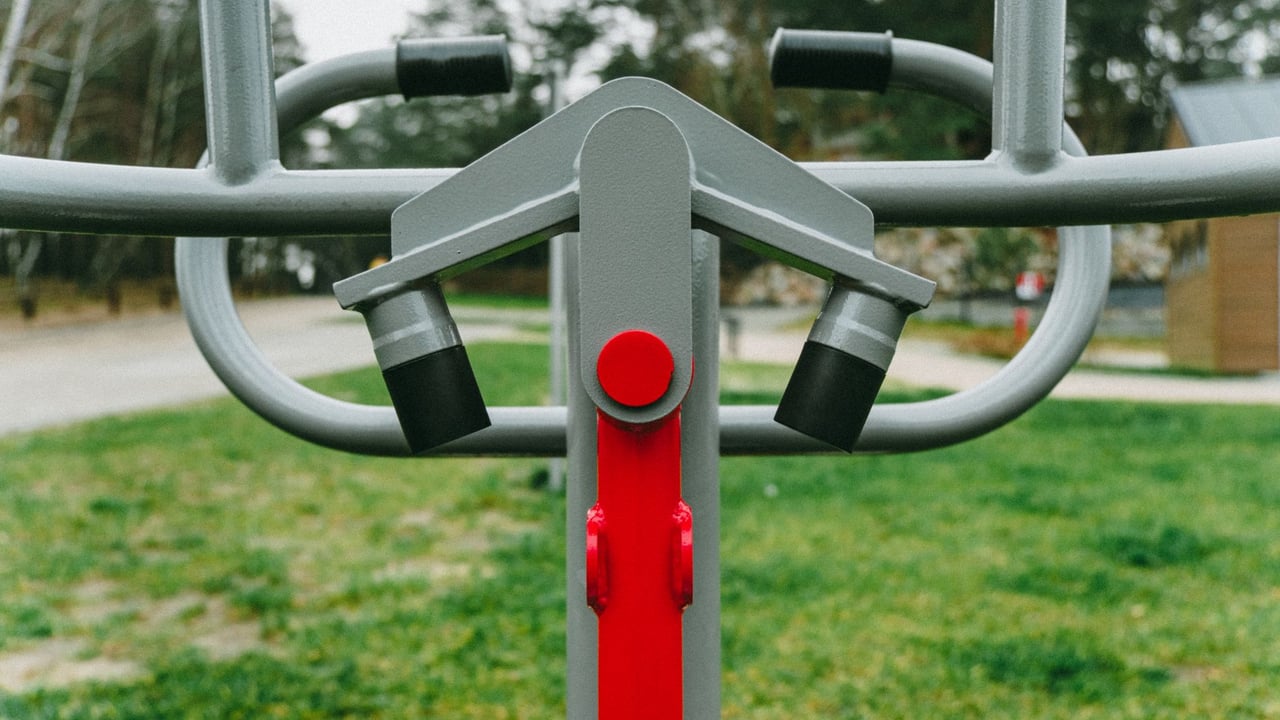
Photo by Daniel Żabiński on Pexels
The Brief
China has released 10 updated national standards for indoor stationary fitness equipment to align domestic safety baselines with international criteria. The framework regulates structural stability, electrical fire and shock prevention, and limits on hazardous substances like lead and phthalates. Formulated with input from industry bodies and the Ministry of Industry and Information Technology, the standards establish mandatory safety baselines alongside specialized technical recommendations. Manufacturers have been granted a transition window before the rules officially take effect on October 1, 2027.
Why it matters
As residential adoption of treadmills, rowing machines, and strength stations accelerates, the standards establish a unified technical floor across mechanical design, electrical reliability, and material toxicity. The framework aims to curb low-cost, substandard manufacturing in the fast-growing home fitness market while requiring hardware supply chains to upgrade production lines during the transition period.
China context
The standardization push fits into China's broader national fitness strategy and efforts to expand the sports economy, which reached 5.12 trillion yuan in 2025. Regulators at the Ministry of Industry and Information Technology view the standards as a key mechanism under the industrial 'Three Goods' campaign—expanding variety, improving quality, and building domestic brands across consumer manufacturing sectors.
Editor's View
EDITOR'S VIEW — Analysis and inference, not factual reporting.
By setting a dual-track architecture of mandatory safety baselines paired with recommended technical guidelines, regulators are attempting to avoid market disruption while closing regulatory loopholes for budget fitness hardware. The primary compliance hurdle will shift to e-commerce oversight after October 2027, where unbranded or white-label gym equipment has historically competed on price at the expense of material safety and durability.
What to watch
- Retooling and engineering redesign progress among fitness equipment manufacturers ahead of the October 1, 2027 deadline.
- Follow-up market supervision and certification guidelines issued by industry and market regulators.
- The pace of clearance and updated safety labeling for legacy inventory across domestic retail and e-commerce channels.
Key Takeaways
- 1Ten national standards for indoor stationary fitness equipment will take effect on October 1, 2027.
- 2The standards mandate structural stability, electrical fire and shock prevention, and strict chemical limits on contact surfaces.
- 3A dual system pairs mandatory universal baselines with recommended technical parameters for specific equipment types.
- 4China's fitness equipment manufacturing sector generated 17 billion yuan in the first half of 2026, growing nearly 12% year-on-year.
China has introduced 10 national standards for indoor stationary fitness equipment, establishing comprehensive structural, electrical, and chemical safety requirements for home and commercial exercise gear. The standards will officially take effect on October 1, 2027, following a transition period designed to allow manufacturers to adjust production lines and product designs.
The regulatory rollout comes amid steady expansion in domestic exercise hardware. Fitness equipment manufacturing generated 17 billion yuan in revenue during the first half of 2026, marking a year-on-year increase of nearly 12%, according to industry data reported by People's Daily. Broader sports industry scale reached 5.12 trillion yuan in 2025, encompassing over 63,000 sports-related enterprises and 1,460 sports goods manufacturers above designated size.
Hosted by the China Stationery & Sporting Goods Association and organized by the National Stationery and Sporting Goods Standardization Technical Committee, the standards align closely with or modify existing international criteria. Under the framework, manufacturers must eliminate structural defects such as sharp edges, pinch points, and slippage hazards while meeting strict load-bearing and stability specifications. Electrical requirements set limits on leakage current, input power, and electric strength to mitigate fire and shock hazards. The rules also cap toxic substances, restricting lead, cadmium, phthalates, and polycyclic aromatic hydrocarbons on high-contact surfaces.
Zhang Peisheng, vice chairman of the China Stationery & Sporting Goods Association, noted that the framework operates on a 'dual-insurance' model. Mandatory standards establish an absolute safety baseline applicable across all equipment categories, while recommended standards detail specific parameters—such as dynamic stability thresholds for treadmills and maximum load capacities for strength equipment. Officials from the Ministry of Industry and Information Technology stated that the benchmarks will provide institutional backing for consumer safety and support the sector's long-term brand upgrading.
Sources
- 业内:新国标为健身器材产业划出“安全底线”--经济·科技--人民网 — People's Daily · 8/7/2026