
Policy & RegulationAnalysis
China Issues Clinical Testing Pricing Guidelines, Completing National Framework
The National Healthcare Security Administration standardises over 600 diagnostic items, concluding a multi-year effort to unify national medical service pricing.
Share
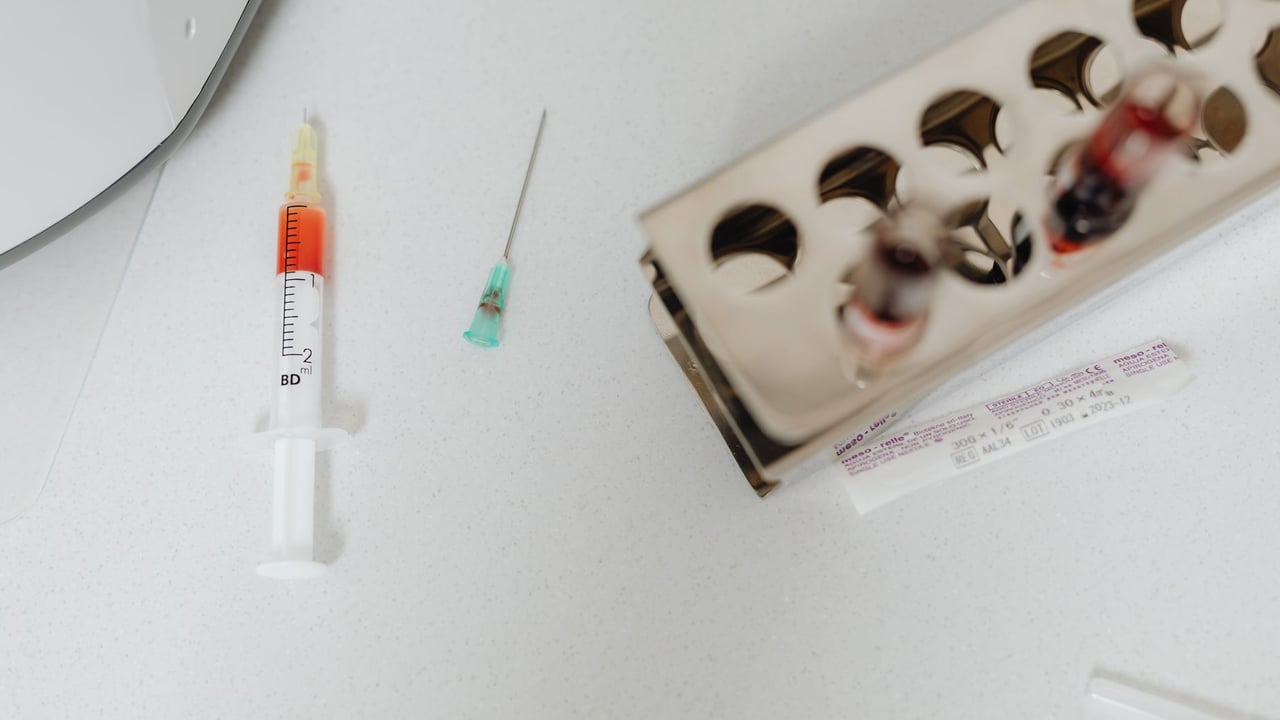
Photo by https://kaboompics.com/ on Pexels
The Brief
China's National Healthcare Security Administration has officially released trial guidelines for medical clinical testing service pricing, establishing a nationwide benchmark across major diagnostic fields. The new document comprises 662 primary items, 114 surcharge items, and 7 extension items covering biochemistry, molecular diagnostics, and other key areas. This release marks the completion of a multi-year project across 40 batches of pricing guidelines, cementing a unified medical service pricing structure aimed at eliminating regional disparities and facilitating mutual recognition of test results.
Why it matters
Standardising medical service pricing items is fundamental to China's ongoing healthcare pricing reform. By introducing unified categories for over 600 clinical testing items, the guidelines resolve longstanding regional inconsistencies where identical indicators carried disparate pricing codes and methodologies. This standardized framework provides institutional backing for cross-hospital recognition of test results and helps prevent redundant examinations for patients.
China context
As China deepens its healthcare reforms, healthcare security authorities have systematically standardized medical service pricing across the country. Establishing unified national pricing guidelines removes fragmented local rules and shifts hospital incentives away from over-prescribing diagnostic tests toward standardized clinical care, facilitating hierarchical medical treatment and precise management of the national health insurance fund.
Editor's View
EDITOR'S VIEW — Analysis and inference, not factual reporting.
The completion of all 40 batches of medical pricing guidelines marks a structural shift in China's healthcare pricing governance. Historically, local hospitals used varying pricing nomenclature and methodology-based markups to maximize revenue, creating friction in cross-regional care and health data interoperability. By establishing explicit categories across testing domains, the regulator not only lays the groundwork for seamless test result recognition across facilities, but also creates a predictable pricing baseline that interacts directly with ongoing centralized procurement of in vitro diagnostic reagents.
What to watch
- Provincial healthcare security bureaus issuing localized implementation timetables and updated fee schedules
- Pricing adjustments resulting from the coordination between new guidelines and volume-based procurement of in vitro diagnostics
- Practical enforcement and cross-hospital recognition rates for clinical test results across tier-two and tier-three hospitals
Key Takeaways
- 1The NHSA released trial pricing guidelines setting 662 primary items, 114 surcharge items, and 7 extension items for clinical testing.
- 2The document covers major sectors including biochemistry, immunology, blood transfusion, and molecular diagnostics.
- 3This issuance concludes the compilation of 40 batches of national pricing guidelines, establishing a unified medical service price framework.
- 4Standardized naming and pricing rules aim to resolve regional disparities and facilitate cross-hospital test result recognition.
China's National Healthcare Security Administration (NHSA) has officially released the Trial Guidelines for Medical Service Price Project Formulation in Clinical Testing, establishing a unified national standard for diagnostic testing fees across the country's public healthcare system.
The guideline specifies 662 primary items, 114 surcharge items, and 7 extension items. It encompasses mainstream diagnostic categories including routine clinical testing, blood transfusion and blood typing, biochemistry, immunology, microbiology, parasitology, and molecular diagnostics. According to domestic media reports citing state broadcaster CCTV, the document provides a clear national "measuring stick" for testing services ranging from basic blood and urine analyses to complex microbial screening and genetic testing.
The release of this testing-specific guideline marks the full conclusion of the NHSA's multi-year effort to compile 40 batches of medical service pricing guidelines, establishing the core framework of China's unified medical service pricing system.
In recent years, China's in vitro diagnostics (IVD) industry has expanded rapidly, reaching an estimated market scale of approximately 130 billion yuan in 2025. However, the sector has long faced fragmented regional pricing practices. Inconsistent item naming and methodology-dependent pricing across provinces have created significant obstacles to the mutual recognition of clinical test results between medical institutions, often resulting in duplicated tests and unnecessary costs for patients.
By consolidating methodology-based variations under standardized primary items and uniform categories, the new guidelines aim to eliminate regional price distortions and support national initiatives for inter-hospital test result sharing, thereby rationalizing medical spending for both patients and the national health insurance fund.
Sources
- 全国检验类价格项目有了统一“标尺” 国家医保局发布指南 — China News Service · 8/14/2026
- 全国检验类价格项目有了统一“标尺” 国家医保局发布指南 — National Business Daily · 8/14/2026