
Policy & RegulationAnalysis
China Appoints New Party Chiefs for Tibet and Gansu in Western Reshuffle
Hu Changsheng moves to Tibet while Wu Xiaojun takes over Gansu, according to official state media releases.
Share
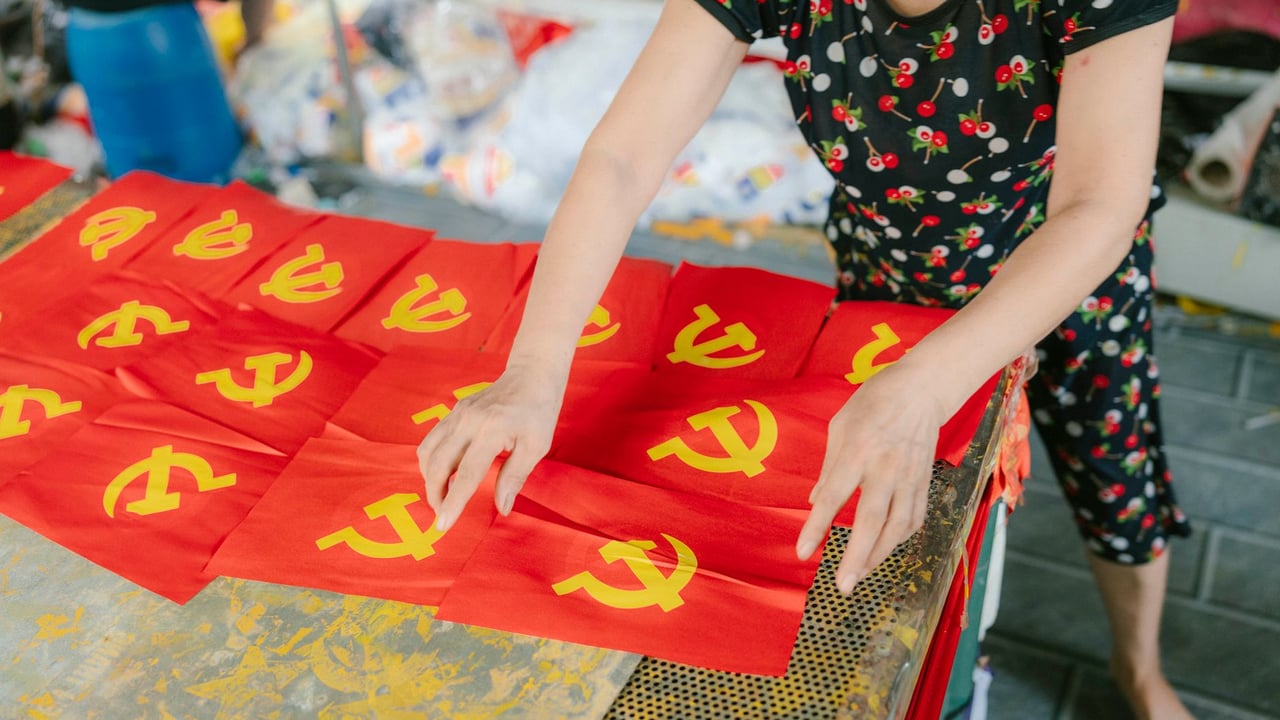
Photo by HONG SON on Pexels
The Brief
China's central leadership has reshuffled the top personnel across three western provincial-level divisions. According to an official decision by the Central Committee of the Communist Party of China reported on September 22, Hu Changsheng has been appointed Party Secretary of the Tibet Autonomous Region, replacing Wang Junzheng. Concurrently, Wu Xiaojun was transferred from his post as Party Secretary of Qinghai Province to assume the leadership of Gansu Province. The official dispatches did not announce Wang's subsequent posting or immediately name a successor to lead Qinghai.
Why it matters
The coordinated adjustments across Gansu, Qinghai, and Tibet reflect central planning for leadership structures in critical western and border regions. As provincial party secretaries hold primary responsibility for regional policy implementation and governance, these appointments will shape the economic and security trajectories of these strategically sensitive areas as they carry out long-term development targets.
China context
In China's political system, provincial-level party secretaries are the top authorities in their respective jurisdictions, overseeing local policy orientation, governance, and political stability. Leadership rotations in western and border regions regularly balance administrative experience, regional coordination, national security considerations, and border management.
Editor's View
EDITOR'S VIEW — Analysis and inference, not factual reporting.
The simultaneous moves connect three contiguous western administrative units—Tibet, Qinghai, and Gansu—highlighting the interconnected nature of regional leadership appointments in western China. Notably, the brief official notice leaves open the questions of Wang Junzheng's next position and the leadership vacancy in Qinghai, both of which will be watched closely in subsequent official releases.
What to watch
- Subsequent official announcements detailing any new government or party assignment for Wang Junzheng.
- The appointment of a new Party Secretary for Qinghai Province to succeed Wu Xiaojun.
- Official readouts from provincial cadre meetings in Tibet, Gansu, and Qinghai outlining policy priorities under the new leadership.
Key Takeaways
- 1Hu Changsheng has been appointed Party Secretary of the Tibet Autonomous Region, vacating his previous post as Party Secretary of Gansu Province.
- 2Wang Junzheng has stepped down as Party Secretary and Standing Committee member of the Tibet Autonomous Region.
- 3Wu Xiaojun has been appointed Party Secretary of Gansu Province, stepping down from his role as Party Secretary of Qinghai Province.
- 4Official reports did not immediately announce a successor for Wu in Qinghai or a new assignment for Wang.
The Central Committee of the Communist Party of China has announced major leadership changes across three western provincial-level jurisdictions, appointing new party committee secretaries in the Tibet Autonomous Region and Gansu Province, according to official announcements carried by Xinhua News Agency and People's Daily on September 22.
Under the central decision, Hu Changsheng has been appointed as a member, standing committee member, and secretary of the CCP Tibet Autonomous Regional Committee. Hu previously led Gansu Province as its party secretary and has been relieved of his provincial responsibilities in Gansu. He takes over the top post in Tibet from Wang Junzheng, who ceases to serve as Tibet's party secretary, standing committee member, and committee member. The initial state media dispatches did not disclose whether Wang will transition to another official post.
Simultaneously, the central leadership appointed Wu Xiaojun as a member, standing committee member, and secretary of the CCP Gansu Provincial Committee. Wu transitions to Gansu from neighboring Qinghai Province, where he previously served as party secretary. As part of the redeployment, Wu relinquishes all of his party committee and standing committee roles in Qinghai. The brief state media dispatch did not immediately identify who will succeed Wu as the party chief of Qinghai.
In China's governance hierarchy, provincial party secretaries represent the preeminent political figures in their respective jurisdictions, setting local development agendas and ensuring alignment with national policy. The three affected regions occupy vast geographic areas in northwest and southwest China that carry significant importance for ecological conservation, natural resource development, and border security.
Standard administrative procedure in China entails following such personnel notices with regional cadre assemblies, where representatives from the Central Organization Department formalize the decisions and incoming secretaries outline their governing priorities. Observers will be monitoring upcoming official communiqués for clarity regarding Wang Junzheng's reassignment and the confirmation of Qinghai's new top party official.
Sources
- 西藏等3省区党委主要负责同志职务调整 — China News Service · 9/22/2026
- 西藏等3省区党委主要负责同志职务调整--时政--人民网 — People's Daily · 9/22/2026