
Policy & RegulationAnalysis
China Expands Rural Parcel Deliveries Across Remote Western Villages
A state postal pilot program adds 2,244 administrative villages to delivery networks, addressing last-mile logistics shortfalls.
Share
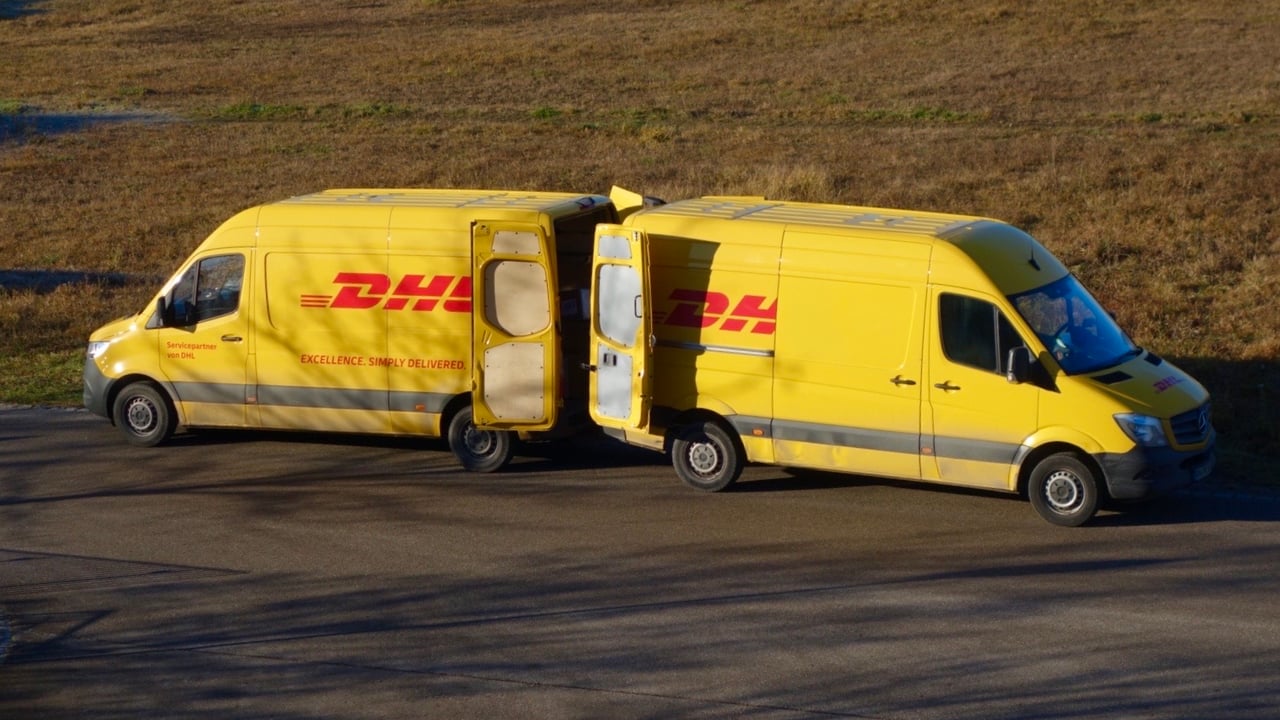
XoMEoX via Wikimedia Commons, CC BY 4.0
The Brief
A targeted pilot program by China's State Post Bureau and China Post Group has brought parcel delivery services to an additional 2,244 administrative villages across 17 pilot counties as of late July. Launched in January to address logistical challenges in remote central and western regions, the initiative relies on China Post's universal service network as a public backstop. By integrating passenger, freight, and postal transit while connecting digital tracking data with commercial couriers, the program has reached 94% of its initial village-coverage target, boosting rural delivery capacity and laying the groundwork for logistics integration under the upcoming 15th Five-Year Plan.
Why it matters
Rural parcel logistics are essential infrastructure for stimulating rural consumption and supporting agricultural revitalization. In sparsely populated central and western areas, high per-parcel delivery costs have long discouraged purely commercial courier firms from establishing last-mile infrastructure. Utilizing state-owned postal infrastructure as a universal backstop guarantees basic public service access for remote residents while smoothing bidirectional trade between industrial consumer goods and rural agricultural products.
China context
First introduced as a nationwide initiative in 2020, the "express delivery to villages" campaign is a core pillar of Beijing's strategy to bridge the urban-rural divide and build a modern circulation system. The state-led backstop pilot highlights the institutional role of central state-owned enterprises in guaranteeing equitable public services where market incentives fail. It also serves as an operational testbed for universal postal service reforms anticipated during the 15th Five-Year Plan period (2026–2030).
Editor's View
EDITOR'S VIEW — Analysis and inference, not factual reporting.
The pilot highlights how Beijing uses state-owned enterprises to address market failures in public infrastructure. While commercial couriers face high marginal costs in remote rural areas, leveraging China Post's baseline network provides an operational compromise between universal service mandates and market efficiency. The key operational challenge moving forward will be ensuring sustainable commercial terms and data interoperability between China Post and private logistics firms as this model scales beyond pilot zones.
What to watch
- The timeline and policy framework for expanding the postal backstop model beyond the initial 17 pilot counties into broader western areas.
- Commercial revenue-sharing, cost-settlement mechanisms, and data-sharing protocols between China Post and private express courier firms.
- Operational sustainability and vehicle utilization rates across integrated passenger-freight-postal transit routes nationwide.
Key Takeaways
- 1A state-led postal backstop pilot has brought express delivery services to 2,244 additional administrative villages across 17 counties in central and western China.
- 2The initiative has completed 94% of its initial pilot target, with cooperative delivery volume surging 217% compared to pre-pilot benchmarks.
- 3China Post allocated 210 million yuan to local branch implementations, boosting the motorized delivery rate in pilot counties from 62% to 97%.
- 4The program integrated postal transit with local transport, accumulating 7,534 shared routes and nearly 49,000 shared station facilities alongside full-process data tracking.
A targeted logistics pilot has added 2,244 administrative villages across 17 pilot counties to parcel delivery networks as of late July, state media reported following a progress review by the State Post Bureau and China Post Group.
The "express delivery to villages" postal backstop pilot, initiated in January, is designed to resolve persistent last-mile delivery bottlenecks in remote rural areas across central and western China. In these regions, long transit distances and elevated per-parcel operating costs have historically deterred private commercial express firms from maintaining regular service.
According to data released at an on-site meeting by the State Post Bureau, the pilot has achieved 94% of its target for village-level coverage across the 17 designated counties, with cooperative parcel volume rising 217% compared to pre-pilot levels. To establish this network, China Post Group instructed 2,062 county-level branch offices nationwide to formulate tailored local strategies.
The group allocated a 210 million yuan investment plan, including 21.23 million yuan in dedicated construction funds for the 17 pilot counties. These investments raised the motorized delivery vehicle rate in the pilot zones from 62% to 97%. In addition, the initiative expanded integrated passenger-freight-postal transport networks, adding 1,124 cooperative transit routes with local transportation companies (reaching a total of 7,534 routes) and adding 5,162 shared transit hubs (bringing total multiplexed stations to 48,952).
To address digital monitoring gaps, the project established direct data connections between China Post, commercial delivery firms, and e-commerce platforms, enabling end-to-end parcel tracking from dispatch to final delivery.
Chen Kai, deputy director of the State Post Bureau, noted that deepening delivery access through the universal postal service network strengthens rural economic circulation. Looking ahead to the upcoming 15th Five-Year Plan period, Chen indicated that universal postal services would expand beyond baseline delivery to integrate with broader national governance, public service, and emergency response frameworks. Postal authorities stated they plan to synthesize the pilot's outcomes and systematically extend the rural delivery logistics framework throughout central and western regions.
Sources
- 又有2244个建制村实现“快递进村”--经济·科技--人民网 — People's Daily · 8/20/2026
- “快递进村”邮政兜底试点成效显著 多维度助力乡村振兴发展--经济·科技--人民网 — People's Daily · 8/21/2026
- 又有2244个建制村实现“快递进村” — Xinhua News Agency · 8/21/2026