
Defense & StrategyAnalysis
Beijing and Moscow Reaffirm UN Charter Enemy State Clauses Against Japan
Commentary in PLA media cites Beijing and Moscow asserting that historical UN provisions still constrain Tokyo's defense policy.
Share
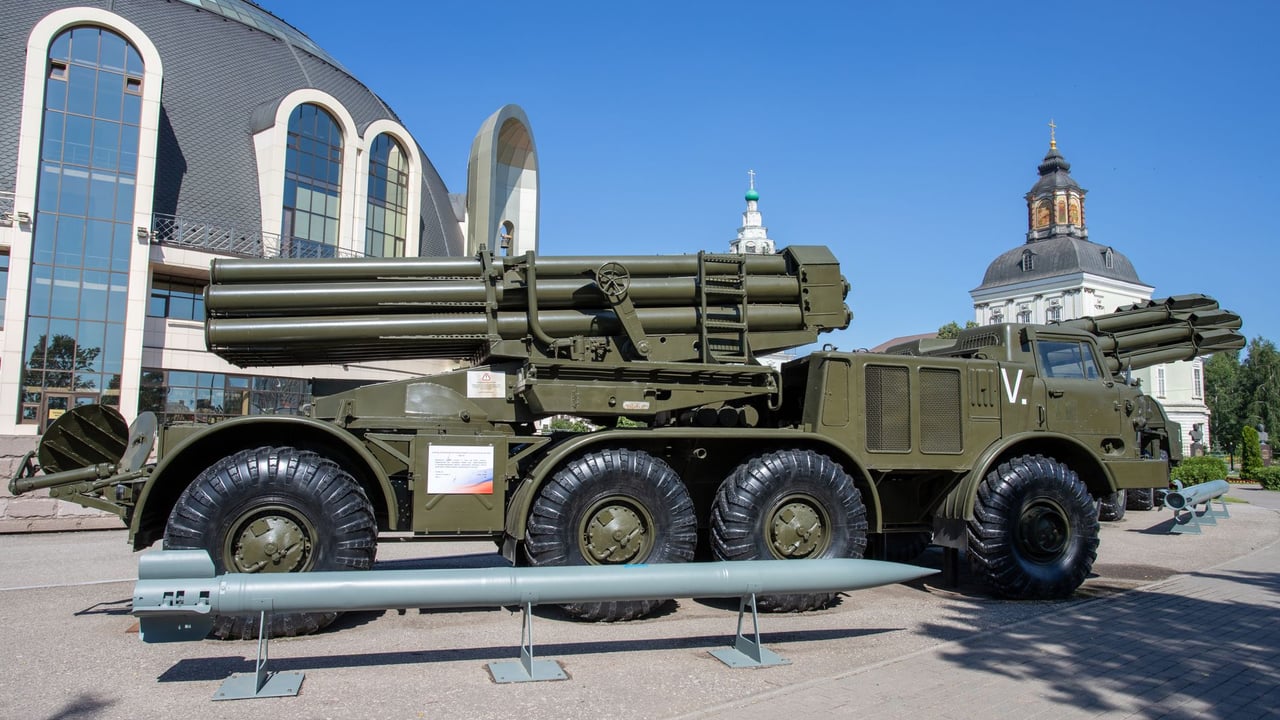
Photo by Михаил Крамор on Pexels
The Brief
A commentary published in Chinese military media has highlighted official statements from China and Russia reaffirming the legal validity of the "enemy state clauses" in the United Nations Charter. Writing for the PLA Daily, international law scholar Huang Huikang argued that Articles 53, 77, and 107 remain active mechanisms to restrain what Beijing characterizes as emerging Japanese militarism. The piece noted that Russian Foreign Minister Sergey Lavrov also recently asserted the binding nature of these clauses, pointing to a coordinated legal and diplomatic stance against Tokyo's expanding security posture.
Why it matters
The invocation of the UN Charter's enemy state clauses marks an escalation from political rhetoric to multilateral legal signaling. By emphasizing articles framed around the defeated Axis powers of World War II, Beijing and Moscow are seeking to establish an international legal framework to challenge Japan's defense modernization, revision of its pacifist security policies, and broader alignment with Western alliances.
China context
The publication of this argument in the PLA Daily, citing formal statements from China's Ministry of Foreign Affairs, underscores Beijing's strategy of anchoring its regional security positions in the post-World War II international order. For China, highlighting the unresolved legal framing of the 1945 settlement serves both to warn against right-leaning defense reforms in Tokyo and to position Beijing as a guardian of established multilateral law.
Editor's View
EDITOR'S VIEW — Analysis and inference, not factual reporting.
The revival of Articles 53, 77, and 107 represents a calculated diplomatic maneuver. While the UN General Assembly recognized these clauses as obsolete in a 1995 resolution, they were never formally expunged from the Charter text due to the complex amendment threshold. By seizing upon this textual reality, Beijing and Moscow are not necessarily preparing to operationalize these articles, but are rather armoring their diplomatic resistance to Japan's defense expansion with explicit Charter-based language.
What to watch
- Whether Japan's Ministry of Foreign Affairs issues a formal diplomatic protest or statement disputing the applicability of the enemy state clauses.
- Any reactions or clarifications from other UN Security Council permanent members regarding the modern legal interpretation of Articles 53, 77, and 107.
- Potential joint Sino-Russian initiatives or rhetoric at the United Nations General Assembly addressing the post-World War II order.
Key Takeaways
- 1PLA Daily commentary argues that Articles 53, 77, and 107 of the UN Charter remain legally valid and binding on Japan.
- 2The article cites recent affirmations of the enemy state clauses by both China's Ministry of Foreign Affairs and Russian Foreign Minister Sergey Lavrov.
- 3Chinese legal framing asserts that Japan's United Nations membership was conditional on accepting the full Charter and its postwar constraints.
- 4The legal arguments come amid heightened Chinese scrutiny of Japan's ongoing defense modernization and security policy shifts.
Commentary published by China's military press has underscored recent official statements from both Beijing and Moscow asserting that the "enemy state clauses" of the United Nations Charter remain legally binding. The argument, authored by international legal specialist Huang Huikang and published in the PLA Daily, frames the reaffirmation as a necessary counterweight to what Chinese analysts term a threat of "new militarism" from Tokyo.
According to the article, China's Ministry of Foreign Affairs recently stated that the provisions targeting Axis states from World War II—specifically contained within Articles 53, 77, and 107 of the UN Charter—retain their legal validity. The commentary noted that Russian Foreign Minister Sergey Lavrov similarly made public remarks affirming that Japan, as a state defined under these charter provisions, remains obligated to respect postwar institutional constraints and confront its wartime history.
The commentary argues that Japan's accession to the United Nations was fundamentally predicated on accepting the full text of the UN Charter, including these specific articles. Framed as safeguards against renewed aggression by former Axis powers, the clauses were designed to preserve the postwar global order. By pointing to these foundational provisions, the piece asserts that any unilateral attempts by Tokyo to breach post-World War II legal limitations on its armed forces undermine established international law.
While the UN General Assembly adopted a resolution in 1995 expressing the intention to delete the enemy state clauses as anachronistic, formal amendments to the Charter have not been enacted. Chinese state and military commentators maintain that until the text is formally amended through the designated charter procedures, the articles retain legal reality. The coordinated emphasis from Chinese and Russian officials signals an effort to leverage United Nations statutory text to deter Japan's ongoing shifts toward an expanded defense posture and deeper regional security integration.
Sources
- 警惕日本“新型军国主义”的现实威胁|重申“敌国条款”十分必要 — China Military Online · 9/10/2026