
Business & IndustryAnalysis
China's Service Retail Outpaces Goods Growth as Sector Reaches 59.5% of GDP
Official data shows service retail grew 5.3% in the first half of 2026, driven by cultural tourism, digital commerce, and visa-free travel.
Share
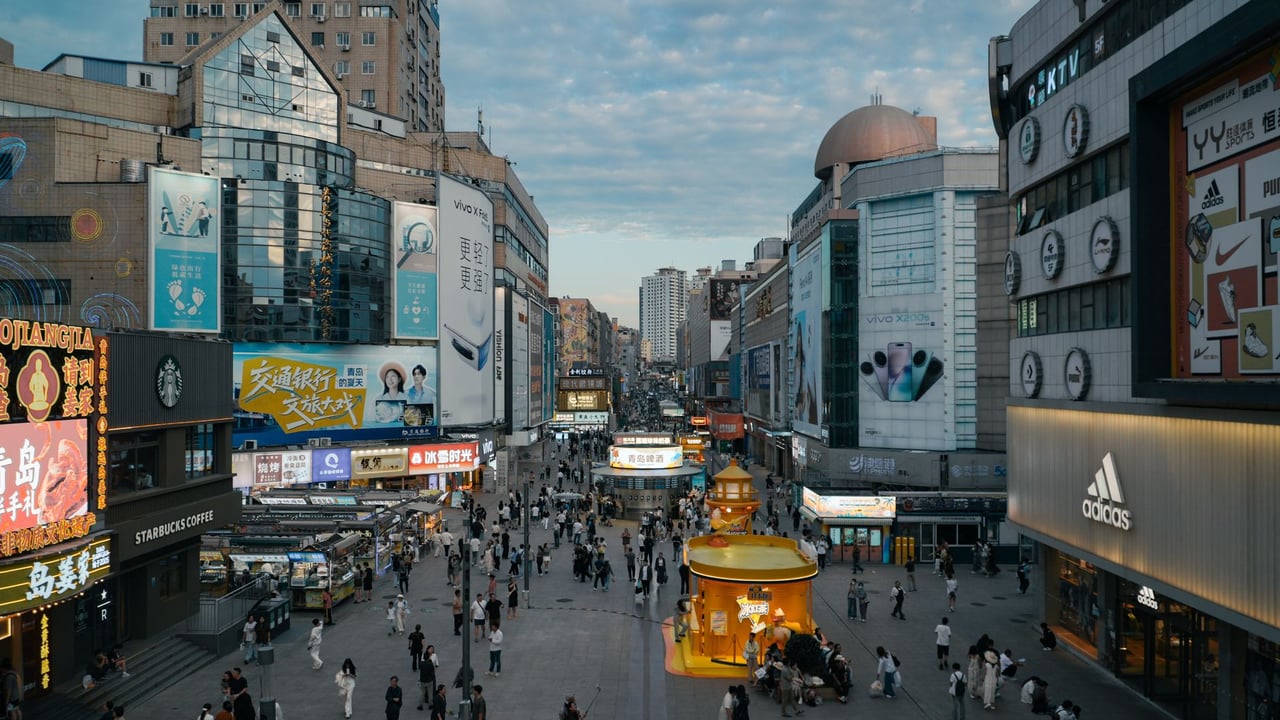
Photo by FENG HE on Pexels
The Brief
China's consumer economy is shifting toward services, with service retail sales expanding 5.3% year-on-year in the first half of 2026—outpacing goods retail by 4.2 percentage points. Driven by surging demand for cultural tourism, digital commerce, and inbound travel following expanded visa-free policies, the service sector accounted for 59.5% of GDP and contributed 66.1% to total economic growth during the period. Policy support is reinforcing this shift, with the newly released 15th Five-Year Plan for Expanding Consumption prioritizing service consumption as its top objective.
Why it matters
The acceleration and structural optimization of service consumption reflect a shift in China's domestic demand from physical goods toward a dual engine of goods and services, playing a pivotal role in supporting GDP growth, employment, and industrial upgrading.
China context
Against the backdrop of China's economic transformation, the service sector now accounts for nearly 60% of national GDP, acting as the primary growth engine. Through institutional opening-up, streamlined entry logistics, and national planning frameworks like the 15th Five-Year Plan, service consumption is becoming essential for maintaining China's massive market advantage.
Editor's View
EDITOR'S VIEW — Analysis and inference, not factual reporting.
The data highlights an important structural transition in China's domestic market. While physical retail faces post-pandemic recalibration, service-oriented spending—from immersive cultural exhibits to instant digital commerce—is absorbing household demand. The alignment of visa-free travel expansions and targeted consumption vouchers demonstrates how policy intervention is attempting to sustain broader momentum as services solidify their role as the primary driver of national economic output.
What to watch
- The impact and multiplier effect of over 450 million yuan in subsidies during the 2026 summer tourism season.
- Inbound tourist spending trends in the second half of the year following expanded visa-free policies.
- Local implementation progress of the 15th Five-Year Plan for Expanding Consumption.
Key Takeaways
- 1Service retail sales grew 5.3% YoY in H1 2026, outperforming goods retail growth by 4.2 percentage points.
- 2The service sector generated 41.4 trillion yuan in value, representing 59.5% of GDP and 66.1% of economic growth.
- 3Cultural and tourism services saw double-digit growth, with museum and performing arts revenues up 24.6% and 28.3%.
- 4Visa-free foreigner entries surged 30.6% YoY to ~17.82 million, driving Hainan duty-free sales up 18.8% to 19.9 billion yuan.
China's consumer landscape is undergoing a structural shift toward service-oriented spending, with service retail sales growing 5.3% year-on-year in the first half of 2026, according to data from the National Bureau of Statistics. This growth rate outpaced goods retail sales by 4.2 percentage points, reflecting a transition in household expenditure patterns toward lifestyle, leisure, and digital services.
The service sector contributed 66.1% to national economic growth in the first half of the year, up nearly 6 percentage points from the same period last year. Total service added value reached 41.4 trillion yuan, expanding by 5.2% year-on-year and accounting for 59.5% of gross domestic product.
Sectoral breakdowns reveal notable strength in culture, tourism, and experiential consumption. Tourism consulting and rental services retail expanded 11.3% year-on-year, while cultural, sports, and leisure services rose 10.4%. Immersive experience venues saw significant demand: sales revenue for performing arts and museums surged 28.3% and 24.6% respectively. Per capita service spending reached a higher proportion of overall household expenditure, rising 0.2 percentage points year-on-year.
Digital and novel retail channels also recorded strong growth. Online service retail rose 6.0% in the first half of the year, while livestreaming e-commerce sales crossed 1 trillion yuan, up 6.5%. Instant retail transaction volume grew by over 20%, and membership warehouse stores and unmanned retail outlets both saw growth rates exceeding 25%.
Inbound consumer activity showed strong momentum following expanded visa-free entry policies and upgraded foreign payment services. Approximately 17.82 million foreign visitors entered China visa-free in the first half of the year, representing a 30.6% year-on-year increase. Offshore duty-free sales in Hainan monitored by customs grew 18.8% to 19.9 billion yuan.
Policy measures are increasingly aligning with this structural transition. The Ministry of Culture and Tourism launched a summer consumption season featuring over 30,000 events and 450 million yuan in subsidies. Furthermore, the newly issued 15th Five-Year Plan for Expanding Consumption designated the enhancement of service consumption as the primary task among its six key priorities, underscoring Beijing's focus on domestic demand as a core economic pillar.
Sources
- 服务消费成扩大消费重要动力(锐财经·年中经济观察⑦) --经济·科技--人民网 — People's Daily · 7/22/2026
- Service sector bolsters China’s H1 growth as modern services gain steam — Global Times
- South China Morning Post — South China Morning Post
- Caixinglobal — Caixinglobal