
Policy & RegulationAnalysis
China and Switzerland Conclude Negotiations on Upgrading Free Trade Pact
The two nations aim to expand market access across goods, services, and investment following five rounds of talks launched in 2024.
Share
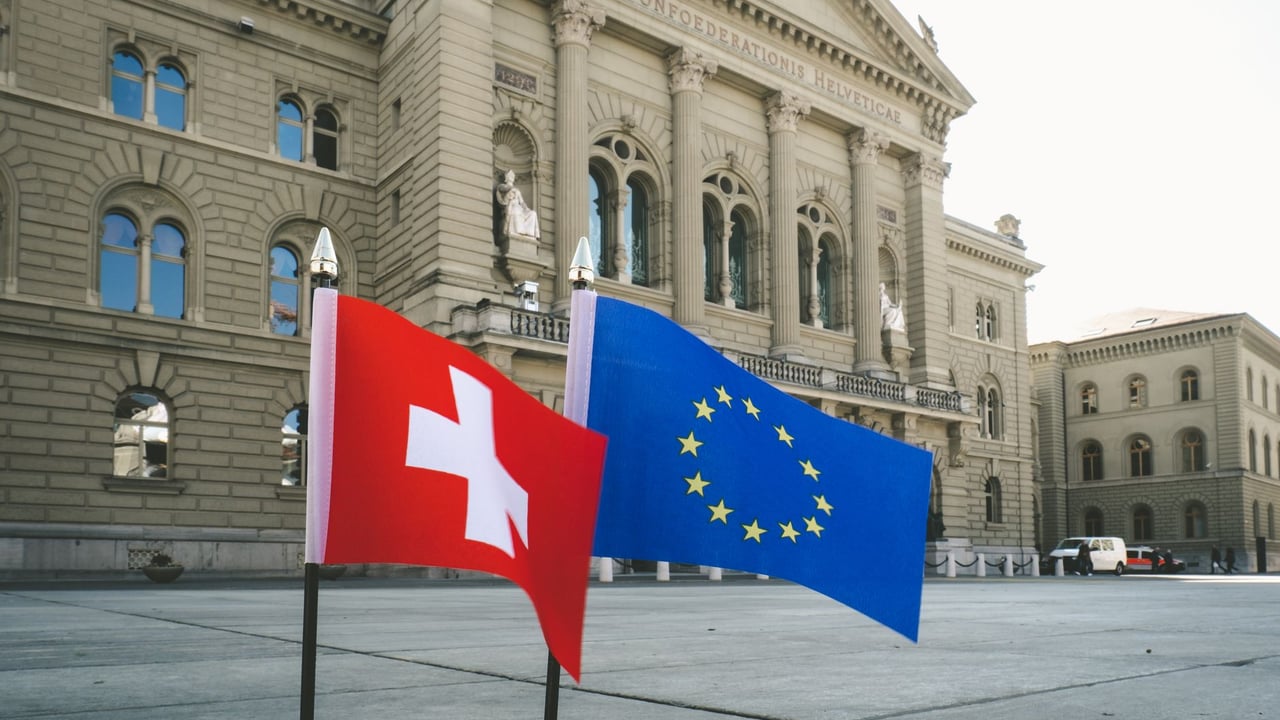
Photo by Christian Wasserfallen on Pexels
The Brief
China and Switzerland have concluded negotiations on upgrading their bilateral free trade agreement, according to announcements made by Chinese Commerce Minister Wang Wentao and Swiss Federal President Guy Parmelin in Bern. After five rounds of consultations launched in September 2024, the two sides signed a memorandum of understanding marking the end of talks. The upgraded agreement encompasses commitments to higher-level reciprocal opening across goods, services, investment, and regulatory rules. Both governments will now undertake respective domestic legal and administrative procedures to prepare for the formal signing of the protocol.
Why it matters
The completion of the upgrade negotiations deepens institutional economic ties between China and Switzerland and provides an updated framework for trade and investment. It also sends a broader signal of ongoing bilateral engagement and adherence to free trade principles between Beijing and a major European economy amidst shifting global trade dynamics.
China context
Switzerland was the first continental European country to establish a free trade partnership with China, having signed the original agreement in 2013. The completion of this upgrade aligns with Beijing's stated agenda to pursue institutional opening-up and align domestic frameworks with international economic and trade rules across goods, cross-border services, and investment governance.
Editor's View
EDITOR'S VIEW — Analysis and inference, not factual reporting.
The conclusion of negotiations between Bern and Beijing underscores Switzerland's continued pursuit of independent, pragmatic bilateral trade policy outside the European Union framework. For China, advancing this upgrade demonstrates an ability to modernize economic agreements with developed Western economies even as broader geopolitical tensions complicate relations with other Western partners. The ultimate impact, however, will depend on the concrete concessions outlined in the final legal text, particularly regarding non-tariff barriers, intellectual property, and reciprocal service sector access.
What to watch
- The timeline for both sides to complete domestic legal reviews and formally sign the upgrade protocol.
- The publication of specific tariff reduction schedules and regulatory commitments once the text is finalized.
- The commercial response from key bilateral sectors, including precision manufacturing, pharmaceuticals, financial services, and luxury goods.
Key Takeaways
- 1Chinese Commerce Minister Wang Wentao and Swiss Federal President Guy Parmelin signed an MOU in Bern confirming the conclusion of FTA upgrade talks.
- 2The upgrade negotiations began in September 2024 and concluded after five rounds of consultations.
- 3The upgraded pact covers commitments to reciprocal opening across goods, services, investment, and trade rules.
- 4The original agreement, signed in July 2013 and effective July 2014, was China's first FTA with a continental European country.
- 5Both sides are now preparing internal legal and administrative procedures ahead of formally signing the upgrade protocol.
China and Switzerland have officially concluded negotiations to upgrade their bilateral free trade agreement (FTA), according to an announcement by China's Ministry of Commerce reported by People's Daily. The milestone was marked during a meeting in Bern, where Chinese Commerce Minister Wang Wentao and Swiss Federal President Guy Parmelin, who also heads the Federal Department of Economic Affairs, Education and Research, signed a memorandum of understanding.
The upgrade talks were formally launched in September 2024. According to Wang, the two sides reached an agreement following five rounds of consultations. Both nations committed to delivering higher-level reciprocal opening in trade in goods, services, investment, and regulatory rules, which officials stated would generate new commercial opportunities for enterprises on both sides.
Parmelin characterized the successful conclusion of the upgrade talks as another significant milestone in bilateral relations. He noted that the modernized agreement aims to provide businesses in both countries with a more stable, transparent, and predictable institutional environment, while demonstrating a joint commitment to open cooperation and free trade.
The original China-Switzerland Free Trade Agreement was signed in July 2013 and entered into force in July 2014, making Switzerland the first nation in continental Europe to implement an FTA with Beijing. Over the past decade, bilateral commerce has expanded under the tariff-reduction schedules established by the initial pact.
With negotiations now formally concluded, both governments will accelerate their respective domestic legal and administrative review procedures. Once these internal steps are completed, the two nations will proceed to the official signing of the upgraded protocol before the revised terms enter into force.
Sources
- 中国与瑞士宣布完成自贸协定升级谈判 --经济·科技--人民网 — People's Daily · 8/22/2026