
Technology & AIAnalysis
Chinese Researchers Complete Terahertz Brain Stimulation Clinical Trial
Researchers combined targeted terahertz radiation with deep brain stimulation to treat patients with disorders of consciousness.
Share
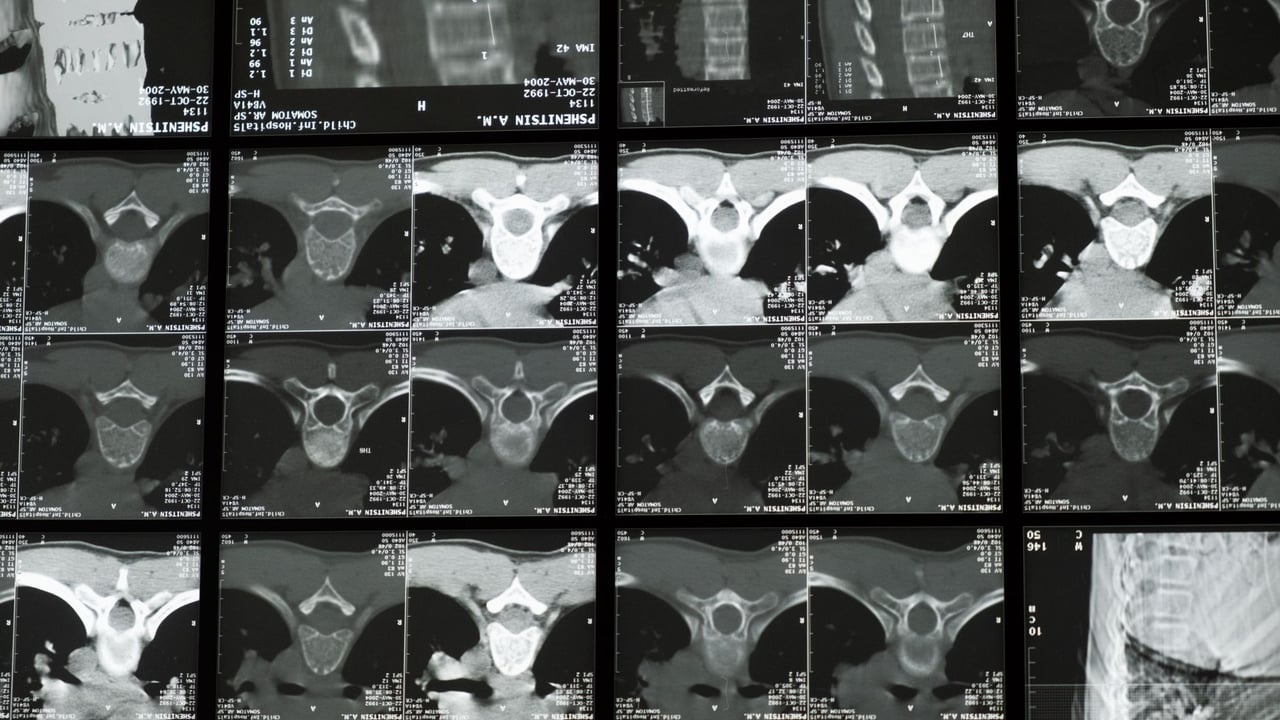
Photo by cottonbro studio on Pexels
The Brief
A collaborative team from China's National Innovation Institute of Defense Technology and Beijing Tiantan Hospital has completed a clinical trial using terahertz wave stimulation to repair brain function in patients with disorders of consciousness. Conducted during deep brain stimulation (DBS) implantation surgeries, the trial delivered targeted terahertz radiation to the central thalamus and cerebral cortex. According to state media reports, the procedure demonstrated improved functional connectivity across multiple brain regions without compromising patient safety, representing an emerging frontier in neurostimulation and brain-computer interfaces.
Why it matters
Disorders of consciousness resulting from severe traumatic brain injury have historically offered limited therapeutic options. Applying terahertz waves as an adjunct to deep brain stimulation introduces a novel modality for neuromodulation. If broader clinical trials validate its efficacy, the approach could establish new clinical pathways for patient awakening, cognitive restoration, and non-contact brain-computer interface applications.
China context
The project reflects China's broader emphasis on clinical-engineering integration (医工结合), bringing together military-affiliated research institutions like the National Innovation Institute of Defense Technology and specialized clinical centers like Beijing Tiantan Hospital. Neurotechnology and brain-computer interfaces are designated as priority frontier technologies within national scientific development agendas.
Editor's View
EDITOR'S VIEW — Analysis and inference, not factual reporting.
While the preliminary results are promising, reports to date rely on early-phase surgical outcomes. Assessing the true therapeutic value of terahertz neuromodulation will require controlled, multi-center trials with standardized cognitive and consciousness metrics over extended follow-up periods. Readers should distinguish between intraoperative targeted stimulation and broader non-invasive brain-computer interface claims.
What to watch
- Publication of multi-center, long-term follow-up data on patient consciousness recovery metrics
- Detailed peer-reviewed mechanisms and protocols for trans-ocular terahertz brain-computer interfaces in academic journals
- Regulatory pathways and medical device registration progress for clinical terahertz neurostimulation hardware
Key Takeaways
- 1Researchers from the National Innovation Institute of Defense Technology and Beijing Tiantan Hospital conducted a clinical trial using terahertz waves on patients with disorders of consciousness.
- 2The targeted terahertz stimulation was delivered to the central thalamus and cerebral cortex during deep brain stimulation (DBS) surgery.
- 3Data showed enhanced multi-region brain functional connectivity, with combined terahertz and DBS stimulation yielding the strongest neural circuit response.
- 4Patients exhibited stable postoperative vital signs and positive neurological recovery trends.
- 5The team has also investigated non-thermal neural ion channel modulation and trans-ocular brain-computer interface technologies.
A joint research team from China's National Innovation Institute of Defense Technology and Beijing Tiantan Hospital has completed a clinical trial applying terahertz wave stimulation to patients with disorders of consciousness, according to a report by People's Daily.
The trial was led by Chang Chao of the National Innovation Institute of Defense Technology in collaboration with clinical teams led by He Jianghong and Yang Yi at Capital Medical University's Beijing Tiantan Hospital. State media characterized the project as the world's first clinical trial utilizing terahertz waves to enhance human brain consciousness, aiming to provide a new therapeutic avenue for neurotrauma rehabilitation and awakening patients with severe consciousness impairments.
The procedure was integrated into deep brain stimulation (DBS) surgical operations. Supported by precision surgical navigation and intraoperative monitoring systems, the medical team delivered targeted terahertz wave irradiation to the central thalamus and the cerebral cortex. Real-time intraoperative measurements and postoperative data analysis indicated that terahertz stimulation enhanced functional connectivity across multiple brain networks. When combined with conventional DBS stimulation, the improvement in functional connectivity and neural circuit activation was even more pronounced, according to the research team.
The treated patients maintained stable vital signs post-surgery and exhibited positive trends in neurological recovery, confirming the initial safety and clinical feasibility of intraoperative terahertz neurostimulation in human subjects.
The clinical intervention builds on theoretical work by Chang's team, which proposed methods for the specific non-thermal modulation of neural ion channels and the manipulation of biomolecular conformations via terahertz frequencies. Prior experimental work by the team demonstrated targeted neuromodulation and cognitive improvements in animal models of post-traumatic stress disorder. The researchers have also explored non-invasive, non-contact trans-ocular terahertz brain-computer interface technologies aimed at conditions such as Alzheimer's disease and Parkinson's disease, with related findings published in academic journals including Nature Communications.
Sources
- 我国脑机接口强脑技术取得突破 --经济·科技--人民网 — People's Daily · 8/12/2026