
Policy & RegulationAnalysis
Chinese and British Industry Experts Discuss Coal Power Phase-Down in Shanxi
A bilateral exchange in Taiyuan explored transition pathways from coal reliance toward clean power systems.
Share
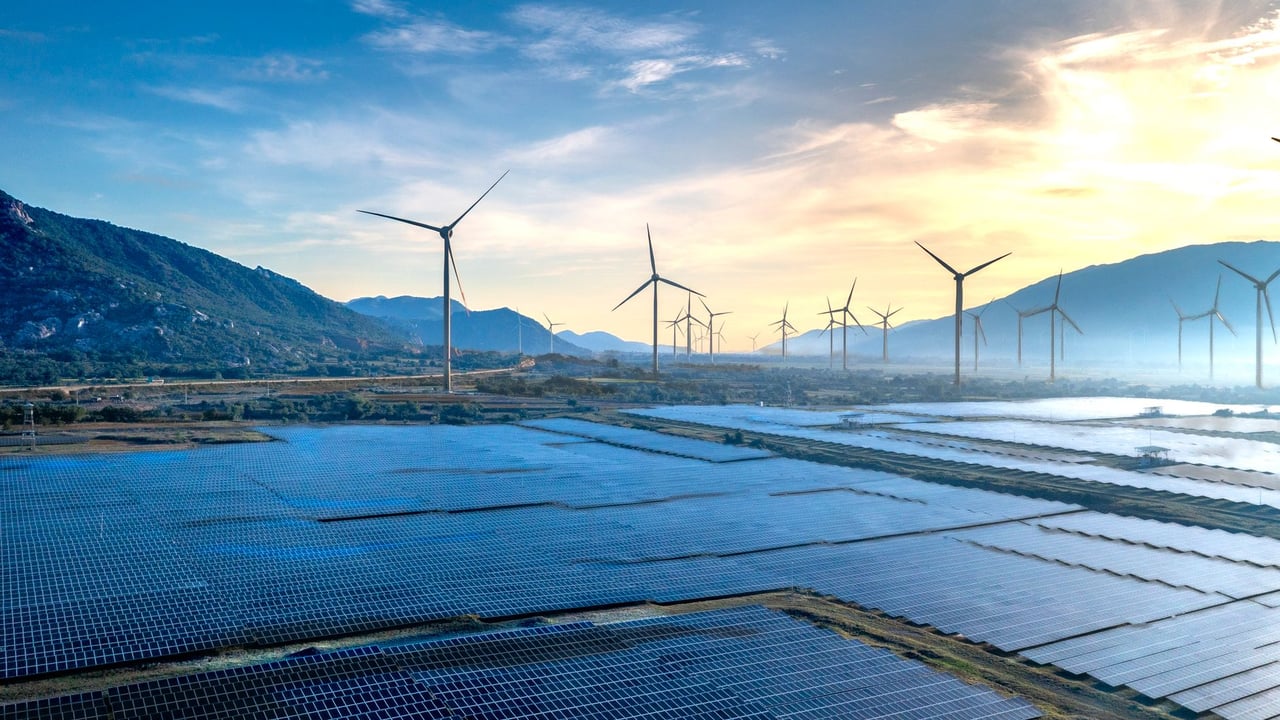
Photo by Quang Nguyen Vinh on Pexels
The Brief
Energy industry professionals and specialists from China and the United Kingdom convened in Taiyuan, Shanxi Province, to discuss the transition away from coal-fired power and the development of clean electricity systems, according to a report by China News Service. The dialogue brings together perspectives from Britain, an early mover in retiring coal power, and Shanxi, China's core coal-producing hub, as both seek feasible models for deep power sector decarbonization while maintaining grid security.
Why it matters
Phasing down coal power while scaling up renewable electricity is a central challenge in international climate action. The United Kingdom represents one of the earliest major industrialized economies to phase out coal-fired power generation entirely. Engaging directly with stakeholders in Shanxi, China's traditional coal heartland, provides a practical platform to exchange regulatory, technical, and market mechanisms for transitioning carbon-intensive power systems without compromising grid reliability.
China context
Shanxi Province serves as a foundational energy base and top coal producer in China, operating as a national pilot zone for comprehensive energy revolution reform. As China targets peak carbon emissions before 2030 and carbon neutrality before 2060, provinces like Shanxi face the delicate task of balancing supply security with structural green transitions, including retrofitting existing coal plants for flexibility and ramping up non-fossil power capacity.
Editor's View
EDITOR'S VIEW — Analysis and inference, not factual reporting.
Bilateral technical exchanges between Chinese provincial stakeholders and international partners remain critical despite broader geopolitical friction. For Shanxi, retiring or repurposing coal power is not merely an environmental target but an economic restructuring challenge involving employment, local fiscal revenues, and grid inertia. Direct engagement with British counterparts, who navigated the legal, market, and employment dimensions of coal retirement over decades, offers Shanxi insights into transition mechanics, though the sheer scale of China's domestic fleet means Beijing must pioneer distinct, highly localized solutions.
What to watch
- Potential bilateral pilot projects between Chinese and British partners focusing on grid flexibility or clean power technology in Shanxi
- Provincial implementation details on coal-power flexibility retrofits and deep peak-shaving capacity in Shanxi
- Subsequent policy outputs or joint recommendations emerging from energy and low-carbon forums in Taiyuan
Key Takeaways
- 1Chinese and British industry participants met in Taiyuan, Shanxi to discuss coal phase-down and clean power transitions, China News Service reported.
- 2The meeting connected British experiences in phasing out coal with Shanxi's operational position as China's core coal production base.
- 3Discussions focused on structural pathways to shift conventional thermal assets toward cleaner, flexible electricity systems.
Energy industry specialists and representatives from China and the United Kingdom met in Taiyuan, the capital of Shanxi Province, to examine coal power exit pathways and the transition toward clean electricity, according to state media outlet China News Service.
The discussion took place in the heart of China's coal territory, bringing international technical dialogue directly to the provincial level where industrial decarbonization faces its steepest practical challenges. Shanxi has long functioned as a cornerstone of China's energy supply, serving as a primary production base for thermal coal and metallurgical coal while supporting electricity exports to surrounding regions.
The exchange centers on strategies to reposition conventional thermal power within modern electricity networks. As intermittent renewable capacity expands, thermal plants are increasingly called upon to serve as flexible, peak-shaving reserves rather than baseload power suppliers. Navigating this shift requires substantial adjustments to market design, ancillary service compensation, and physical plant retrofitting.
The United Kingdom offers a distinct comparative reference, having systematically dismantled its reliance on coal-fired generation over recent decades through carbon pricing, market mechanisms, and aggressive buildouts of offshore wind and alternative generation. Sharing lessons from that trajectory provides Chinese operators and regional planners with technical precedents on grid balancing, decommissioning timelines, and policy sequencing.
Nevertheless, the scale and operating realities of Shanxi's power sector present distinct hurdles. Shanxi is tasked with conducting comprehensive pilot reforms for China's energy transition, meaning provincial authorities must balance aggressive renewable expansion against the non-negotiable imperative of national energy security. As the dialogue between Chinese and British experts suggests, subnational and bilateral technical discussions remain an active avenue for addressing the shared engineering and economic complexities of clean power transitions.
Sources
- 中英业内人士山西太原共议煤电退出路径与清洁电力转型 — China News Service · 9/5/2026