
Policy & RegulationAnalysis
China Vice Premier Urges Stricter Full-Chain Food Safety Oversight
Zhang Guoqing calls for closing loopholes across online delivery platforms, livestream sales, and agricultural supply chains.
Share
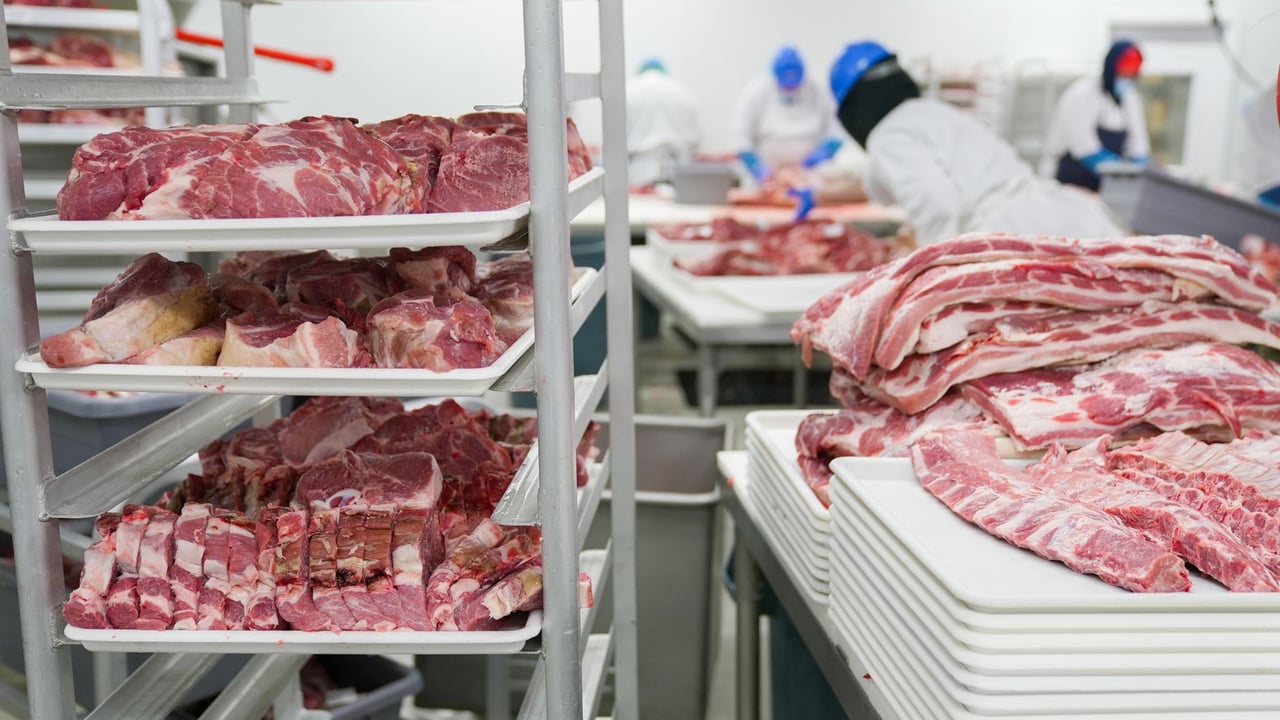
Photo by Mark Stebnicki on Pexels
The Brief
Chinese Vice Premier Zhang Guoqing called for rigorous full-chain supervision across the nation's food supply during the launch of the 2026 National Food Safety Publicity Week in Beijing. Addressing officials and industry representatives, Zhang emphasized seamless oversight connecting production, storage, logistics, and retail. He specifically highlighted digital commerce channels, instructing authorities to regulate livestream food marketing, community group buying, and online food delivery while consolidating crackdowns on unregistered "ghost kitchens" to ensure equivalent standards across online and offline vendors.
Why it matters
Food safety remains a sensitive issue directly affecting consumer trust and public welfare in China. By spotlighting platform liability, certification bodies, and modern delivery models alongside upstream agricultural additives, top leadership is signaling that platform intermediaries can no longer treat vendor compliance as purely an external vendor responsibility.
China context
Under the guiding principle of the "Four Most Strict" regulatory mandates, Beijing has steadily shifted food safety enforcement from episodic, end-point inspections toward systemic, lifecycle accountability. The expansion of online catering and community commerce introduced regulatory blind spots—most notably unlicensed "ghost kitchens" operating exclusively via third-party delivery apps—prompting authorities to bind tech platforms and testing agencies directly to compliance outcomes.
Editor's View
EDITOR'S VIEW — Analysis and inference, not factual reporting.
Zhang's speech demonstrates that the central government views platform governance and public health monitoring as increasingly intertwined. By placing food delivery apps, livestream sellers, and community group-buying networks in the same regulatory frame as agricultural producers, the State Council is signaling a unified standard for digital and traditional retail. However, the operational challenge will rest on local market regulators' capacity to trace supply chains back to individual farms and verify real-time compliance on high-volume delivery platforms without stifling gig-economy employment.
What to watch
- Whether the State Administration for Market Regulation issues new operational guidelines or compliance mandates for food delivery and community group-buying platforms.
- Enforcement spot-checks targeting agricultural compliance certificates and food additive use in wholesale and retail markets.
- Progress on expanding digital monitoring initiatives, particularly the rollout of 'Internet + Open Kitchen' systems across local catering sectors.
Key Takeaways
- 1Vice Premier Zhang Guoqing delivered a keynote address at the 2026 National Food Safety Publicity Week event in Beijing on September 22.
- 2Regulators were ordered to tighten full-chain monitoring connecting farm production, storage, transportation, and commercial sales.
- 3Platform operators and certification bodies face heightened expectations to actively enforce vendor compliance and product quality standards.
- 4Authorities were instructed to consolidate actions against 'ghost kitchens' and enforce quality parity between online platforms and offline dining.
- 5The central government is expanding the 'Internet + Open Kitchen' monitoring program while tightening rules on agricultural additives and certification.
Chinese Vice Premier Zhang Guoqing has called for a deepened, full-chain regulatory regime over the nation's food safety ecosystem, urging authorities to maintain strict governance to eliminate safety hazards across production and distribution networks.
Speaking in Beijing on September 22 at the main event of the 2026 National Food Safety Publicity Week, Zhang emphasized the need to implement central leadership directives and reinforce the party's "Four Most Strict" food safety requirements through continuous, everyday oversight, according to reports by Xinhua News Agency.
Zhang instructed regulators to establish seamless handoffs between production, storage, transportation, and retail stages. He said food production and operating entities must stringently verify raw material entry, test finished goods before dispatch, and monitor operating processes from end to end. In parallel, platform enterprises and third-party testing and certification organizations must strictly honor their compliance and vetting duties to ensure product safety.
Upstream source control was highlighted as an essential pillar of prevention. Zhang demanded the strict implementation of compliance commitments and certification systems for edible agricultural products, improved linkages between agricultural origin inspection and market entry approval, and tighter supervision over food additives to prevent substandard items from reaching consumer tables.
The vice premier also singled out emerging digital commerce models as priority zones for inspections and targeted testing. Market authorities must closely standardize online food ordering, livestream-based food promotions, and community group-buying practices, Zhang said. He called on regulators to consolidate previous enforcement achievements against "ghost kitchens"—unlicensed preparation facilities selling exclusively through delivery apps—and push aggressively for identical standards and quality across both online and offline dining options.
To strengthen systemic governance capacity, Zhang urged faster deployment of the "Internet + Open Kitchen" initiative, which uses live video feeds to allow consumers and regulators to monitor restaurant kitchen operations. He added that authorities should actively leverage industry association self-discipline and journalistic oversight to reinforce public participation in food safety supervision.
Sources
- 张国清在出席2026年全国食品安全宣传周主场活动时强调 深化食品安全全链条监管 以严管严治提升监管质效--时政--人民网 — People's Daily · 9/22/2026
- 张国清在出席2026年全国食品安全宣传周主场活动时强调 深化食品安全全链条监管 以严管严治提升监管质效 — State Council of China · 9/22/2026