
Defense & StrategyAnalysis
Chinese Air Force to Use Domestically Powered Y-20B Transport Aircraft for Cadets for First Time
The PLA Air Force reports record-high average entrance exam scores for 2026 flight recruits while deploying AI tools and indigenous Y-20B transports.
Share
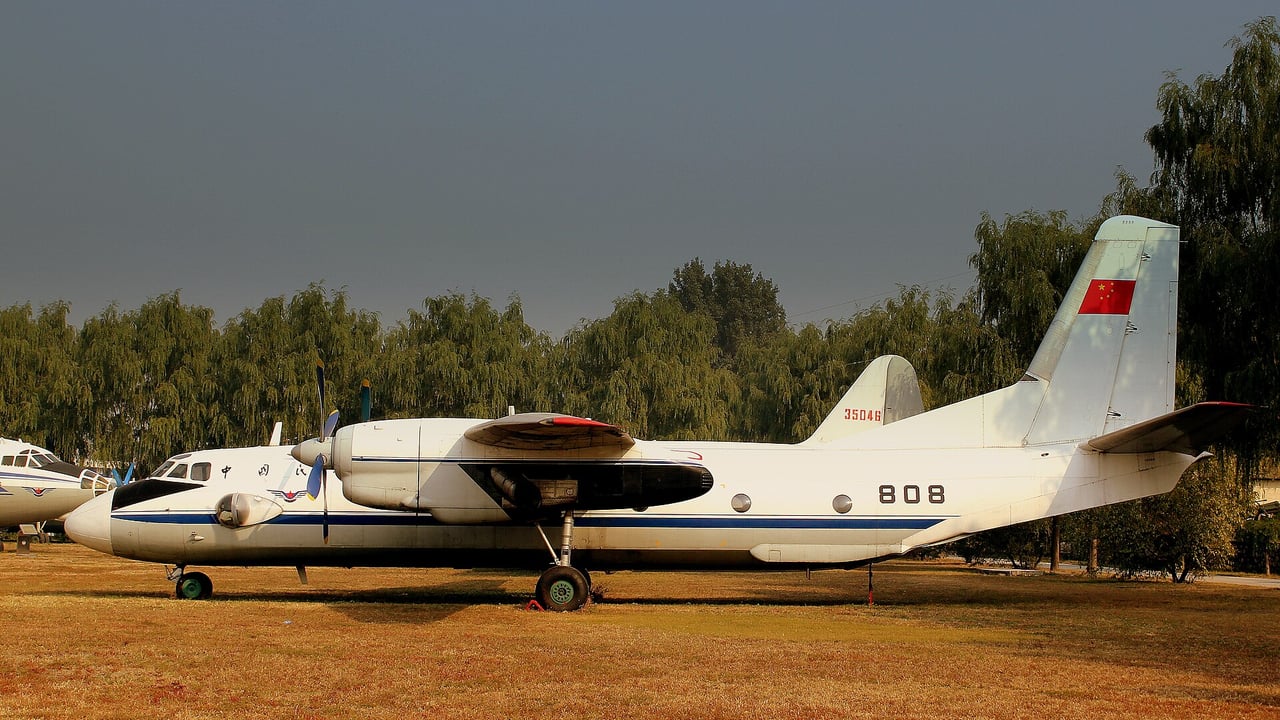
calflier001 via Wikimedia Commons, CC BY-SA 2.0
The Brief
The People's Liberation Army Air Force (PLAAF) announced it will deploy the Y-20B strategic transport aircraft—equipped with domestically produced engines—to airlift newly admitted flight cadets to the PLA Air Force Aviation University on July 31 and August 1, 2026. This marks the fifth consecutive year the PLAAF has used Y-20 aircraft to transport recruits. Official recruitment data for 2026 shows record-high average national college entrance examination (Gaokao) scores among admitted cadets, alongside the integration of big data and artificial intelligence to assist candidate selection.
Why it matters
Deploying the Y-20B, which features domestically developed engines, to transport new aviation cadets highlights the alignment between China's indigenous military aviation technology and its personnel development. Using major strategic airlifters to transport recruits serves both as a symbolic honor ceremony and an immersive educational initiative aimed at boosting morale and public engagement in national defense recruitment.
China context
In recent years, the PLAAF has prioritized technological modernization and public recognition in its recruiting efforts. The demographic composition of the 2026 recruit cohort demonstrates broad geographic and socioeconomic reach: 46% of accepted cadets hail from county-level high schools, and 82 cadets represent 15 ethnic minority groups across 31 provincial-level administrative divisions. The rising average Gaokao scores reflect an ongoing push to raise the academic baseline for military aviation personnel.
Editor's View
EDITOR'S VIEW — Analysis and inference, not factual reporting.
The integration of the Y-20B into cadet transportation underlines a dual strategy by the PLAAF: demonstrating military-industrial self-reliance while cultivating institutional pride among incoming personnel. By incorporating AI-assisted evaluation tools into the recruitment selection system, the PLAAF is shifting toward holistic candidate assessment. Extending invitations to over 100 parents to join the flight and visit the academy further reflects a modern public-relations approach intended to strengthen community support and bolster long-term recruitment retention.
What to watch
- Reports and coverage of the cadet arrival ceremonies at the PLA Air Force Aviation University across July 31 and August 1.
- Broader operational deployments and official performance disclosures of the Y-20B equipped with indigenous engines.
- Future expansion of big data and AI-assisted evaluation tools in PLA military recruitment processes.
Key Takeaways
- 1The PLAAF is deploying the Y-20B transport aircraft, featuring indigenous engines, to transport new pilot cadets for the first time on July 31 and August 1.
- 2This marks the fifth consecutive year that Y-20 series aircraft are being used to transport recruits, utilizing six boarding hubs nationwide.
- 3Average national college entrance exam (Gaokao) scores for 2026 recruits hit a record high, with 46% originating from county-level high schools.
- 4The selection process incorporated big data and AI-assisted evaluation systems to build comprehensive capability profiles for candidates.
- 5More than 100 cadet parents were invited to travel aboard the Y-20 flights and visit the PLA Air Force Aviation University.
The People's Liberation Army Air Force (PLAAF) announced that it will use its Y-20B strategic transport aircraft for the first time to deliver newly admitted flight cadets to the PLA Air Force Aviation University on July 31 and August 1, according to official reports from PLA Daily and Global Times. This marks the fifth consecutive year that the air force has dispatched Y-20 transports to airlift incoming recruits. Departures are scheduled from six designated boarding points: Shenyang, Shijiazhuang, Jinan, Nanjing, Changsha, and Chengdu.
According to official state and military media reports, the Y-20B variant participating in this year's mission is equipped with domestically produced engines. The air force framed the deployment as a symbolic representation of parallel progress in defense hardware development and military aviation talent cultivation. In addition to the cadets, the PLAAF invited more than 100 cadet parents to join the flights and visit the aviation university, giving families an opportunity to observe student living quarters, training facilities, and educational environments firsthand.
Officials from the PLAAF Pilot Recruitment Bureau reported that the overall quality of accepted flight recruits for 2026 has shown steady improvement. Applications covered nearly all prefecture-level administrative divisions across 31 provincial-level regions nationwide. The average score on the national college entrance examination (Gaokao) among admitted candidates reached an all-time high. Demographic breakdowns released by the bureau show that candidates from county-level high schools accounted for 46 percent of the accepted cohort, while 82 cadets representing 15 ethnic minority groups earned admission.
The 2026 selection process also integrated modern technology, deploying big data and artificial intelligence tools to assist in physical fitness, psychological quality, and flight potential evaluations. According to the recruitment bureau, the introduction of AI-assisted systems helped assessors shift from single-capability testing toward comprehensive capability "portraits," enhancing both the precision and scientific objectivity of the selection process. Military authorities noted that these recruit quality enhancements are intended to provide foundational support for strengthening the air force's pilot corps ahead of key military development milestones.
Sources
- 空军招飞录取考生综合素养稳步提高 将首次使用运-20B运送新飞行学员 — China Military Online · 7/30/2026
- 空军首次出动运-20B接新飞行学员入校 — iFeng · 7/31/2026