
Daily BriefAnalysis
Research Reveals Denisovan Survival Patterns in Southern China Cave Site
Archaeological findings from Yunnan offer new insights into Denisovan adaptation and persistence along the plateau edge.
Share
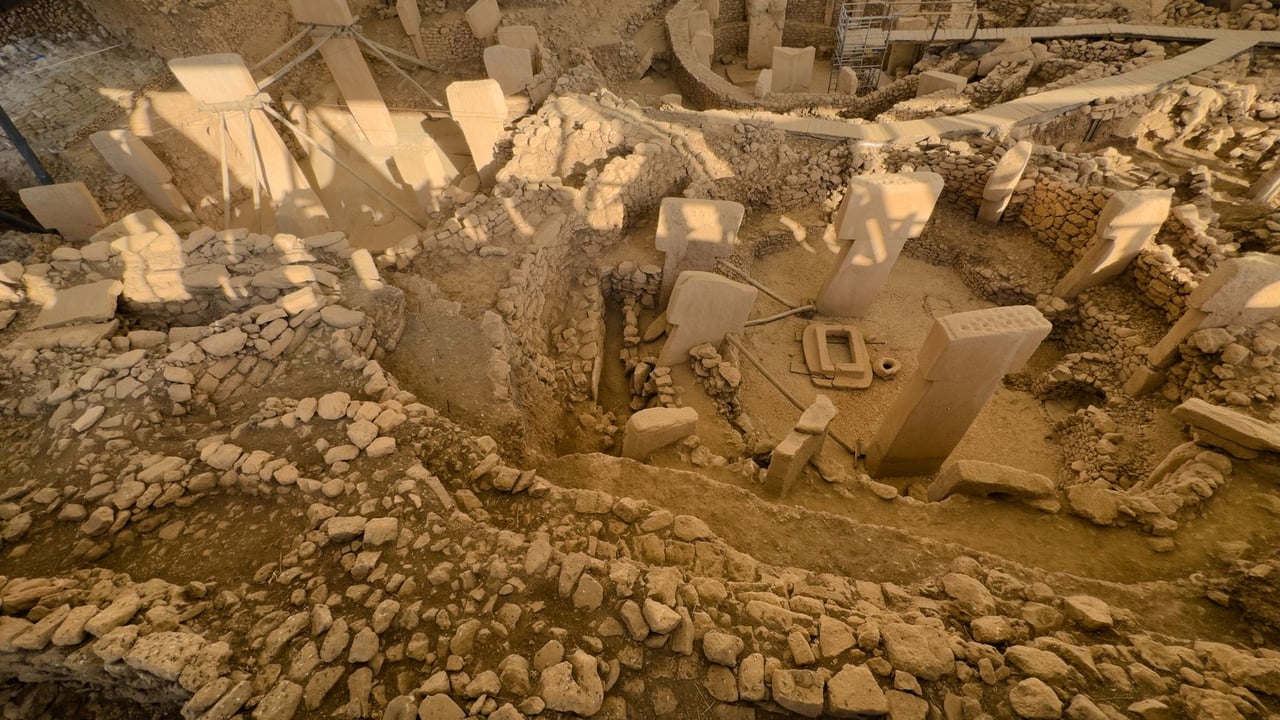
Photo by Zülfü Demir📸 on Pexels
The Brief
A multidisciplinary archaeological study focused on the Bianfu Cave site in Yunnan Province has unveiled new evidence of Denisovan occupation and adaptation in southern China, according to Chinese state media. Led by researchers including teams from the Institute of Tibetan Plateau Research under the Chinese Academy of Sciences, the findings reconstruct a long-term, stable, and highly pragmatic subsistence pattern among archaic humans inhabiting the subtropical transitional zone flanking the Tibetan Plateau.
Why it matters
This study provides systematic multidisciplinary evidence documenting Denisovan presence and behavioral models in southern China, filling a critical geographic gap regarding archaic human adaptation across East Asia's subtropical zones and plateau margins.
China context
Chinese paleoanthropologists, notably from the Institute of Tibetan Plateau Research, have progressively deepened explorations across the Tibetan Plateau and adjacent basins. The findings from Heqing Bianfu Cave in Yunnan further reinforce Southwest China's strategic importance in mapping early hominin migrations, interactions, and evolutionary trajectories across eastern Eurasia.
Editor's View
EDITOR'S VIEW — Analysis and inference, not factual reporting.
The uncovering of Denisovan ecological resilience in Yunnan adds geographic weight to an evolving consensus: Denisovans were not merely cold-adapted high-altitude foragers or peripheral northern groups, but widespread hominins capable of exploiting diverse ecosystems over tens of thousands of years. While genetic signatures in modern Southeast Asian and Oceanian populations have long hinted at extensive southern Denisovan presence, physical archaeological contexts have remained elusive compared to northern and central Asian sites. Establishing rigorous paleoproteomic, stratigraphic, and lithic baselines at Bianfu Cave could help tie elusive southern genetic legacies to tangible material cultures.
What to watch
- Peer review responses and formal publications in international scientific journals detailing the stratigraphy and dating of Bianfu Cave.
- Subsequent ancient DNA or paleoproteomic analyses identifying specific taxonomic and lineage connections of the recovered hominin remains or sediments.
- Future cross-regional comparative studies linking Southwestern Chinese hominin material cultures with contemporary sites across Mainland Southeast Asia.
Key Takeaways
- 1Excavations at Bianfu Cave in Heqing, Yunnan, reveal long-term Denisovan occupation in southern China.
- 2The research establishes adaptive, pragmatic survival strategies in a subtropical plateau-margin ecology.
- 3Led by teams including the Institute of Tibetan Plateau Research, the study bridges physical sites with broader regional genetic data.
Archaeological excavations in southwestern China have provided the first systematic multidisciplinary picture of Denisovan survival strategies in the country's south, according to reporting by China News Service. The research, centered on the Bianfu Cave site in Heqing County, Yunnan Province, demonstrates that archaic hominin groups maintained long-term, stable, and pragmatic settlement patterns in the transitional zone flanking the southeastern edge of the Tibetan Plateau.
The findings, led by research teams affiliated with the Institute of Tibetan Plateau Research at the Chinese Academy of Sciences, expand the known geographical and ecological range of Denisovans in East Asia. Previously, substantial archaeological and physical evidence of Denisovans had been concentrated in high-altitude or northern Eurasian environments, most notably Denisova Cave in Siberia and Baishiya Karst Cave on the northeastern Tibetan Plateau. The Yunnan site extends the physical footprint into a subtropical, high-relief plateau margin.
Archaeologists identified behavioral patterns characterized by resource pragmatism and adaptive stability. Material evidence from the cave deposits suggests that the inhabitants effectively utilized local raw materials for stone tool manufacture and developed flexible subsistence strategies tailored to fluctuating local ecologies over an extended chronological window. The persistent occupation indicates that Denisovans possessed sophisticated behavioral plasticity, enabling sustained habitation in dense, diverse ecological landscapes beyond northern steppes and subalpine highlands.
The research marks a notable milestone for paleoanthropology in China, where researchers have intensified field excavations to bridge the gaps between archaic human fossils, paleogenomic data, and lithic traditions. Geneticists have long detected substantial Denisovan-related ancestry among modern Indigenous populations in Island Southeast Asia and Near Oceania, implying that Denisovans or closely related lineages once ranged across lower latitudes in East and Southeast Asia. The Bianfu Cave site provides crucial terrestrial context connecting high-altitude populations to broader southern landscapes.
Sources
- 考古首次揭示中国南方丹尼索瓦人生存图景:长期稳定高度务实 — China News Service · 9/9/2026